
Silvery Wood-Pigeon
Columba argentina
Order: Columbiformes / Family: Columbidae
Wikimedia Commons
About the Silvery Wood-Pigeon
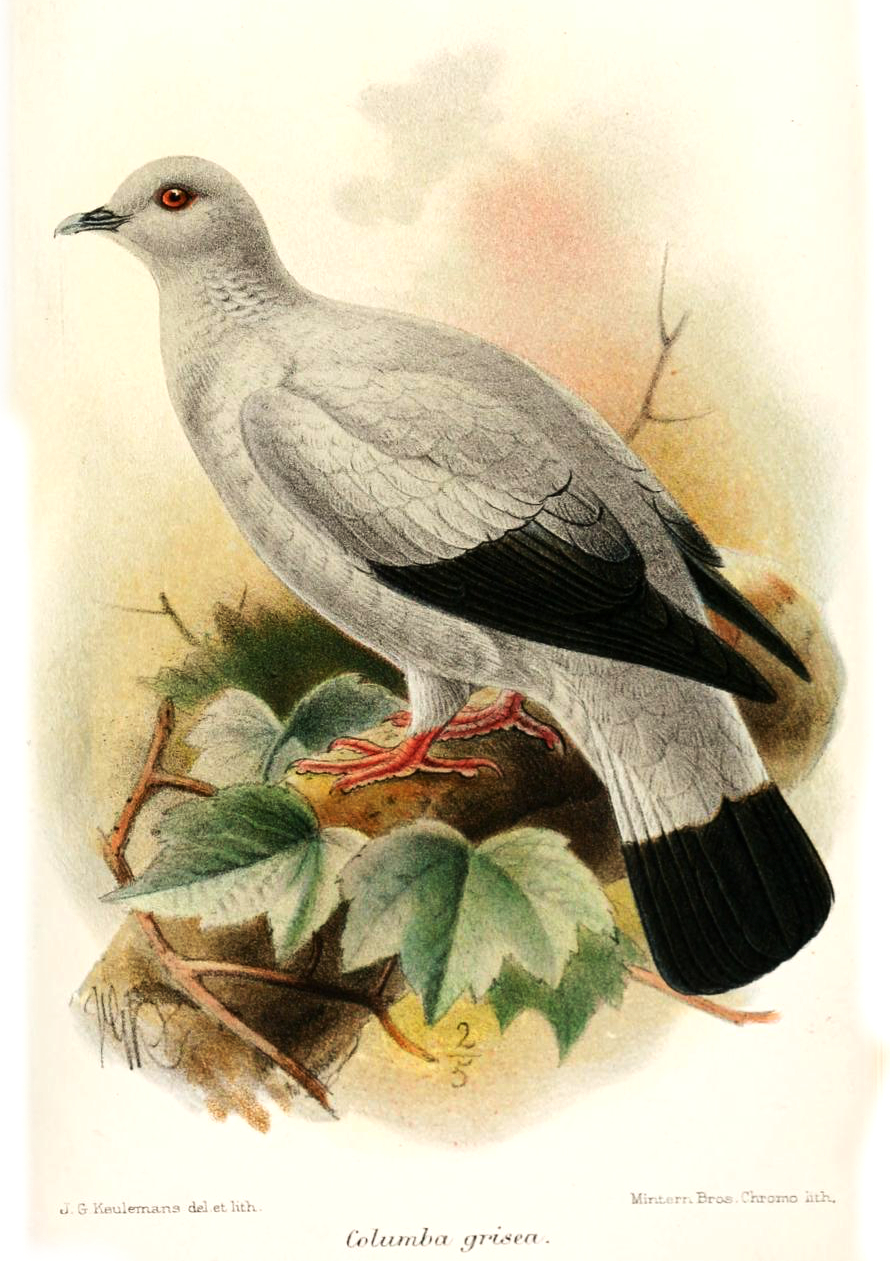
The Silvery Wood-Pigeon, scientifically known as Columba argentina, is a rare and enigmatic member of the Columbidae family. This pigeon is primarily found in the Malay Archipelago, specifically in regions like Borneo and Sumatra. It once populated these islands more extensively, but habitat destruction and hunting have severely diminished its numbers. The Silvery Wood-Pigeon exhibits a pale gray body with a distinctive silvery sheen, making it an appealing sight for bird enthusiasts. Its ecological role in seed dispersal helps maintain the health of the forest ecosystems it inhabits. This bird is elusive, often residing in dense lowland and mangrove forests, where its muted plumage provides excellent camouflage against predators. The Silvery Wood-Pigeon plays a significant role in its ecosystem by contributing to plant regeneration. During the breeding season, which typically occurs in the humid months, the Silvery Wood-Pigeon engages in unique courtship displays that involve subtle vocalizations and intricate flight patterns. Its survival now hinges on conservation efforts aimed at preserving its natural habitats and curbing hunting pressures. Its presence, albeit rare, serves as an indicator of the ecological health of the regions it inhabits. The Silvery Wood-Pigeon’s disappearance from areas where it once thrived highlights the urgent need for habitat protection and restoration.
The Silvery Wood-Pigeon belongs to the family Columbidae, within the order Columbiformes. These birds typically live estimated 5-8 years in the wild, though exact data is scarce..
How to Identify a Silvery Wood-Pigeon
The Silvery Wood-Pigeon is medium-sized, with adults measuring around 32 centimeters in length. Its plumage is predominantly pale gray, giving it a silvery appearance, especially under sunlight. The head and underparts are slightly lighter, while the wings and tail maintain a consistent gray tone. Notably, the bird lacks the iridescence found in many other pigeon species. Both males and females have similar plumage, making it challenging to distinguish between the sexes in the field. Juveniles are duller in color, with a more brownish-gray hue, lacking the full silvery sheen of adults. In flight, the Silvery Wood-Pigeon displays a broad, rounded tail and relatively short wings, which contribute to its unique silhouette. This bird's perching posture often reveals its distinctive coloration and slender build. Observers may confuse the Silvery Wood-Pigeon with other gray pigeon species, but its consistent silvery appearance and habitat preferences help in accurate identification.
Having trouble telling birds apart? Upload a photo to our bird identification tool for an instant species match.
Silvery Wood-Pigeon Habitat and Range
Preferred Habitat
The Silvery Wood-Pigeon thrives in lowland and mangrove forests, particularly those found in Borneo and Sumatra. These habitats provide the dense cover and abundant food sources the pigeons require. The species is primarily found at elevations up to 300 meters, favoring areas with rich foliage and minimal human disturbance. Seasonal habitat shifts are minimal, as the bird remains in areas where its food sources are readily available year-round. Unlike some pigeon species, the Silvery Wood-Pigeon is not typically found in urban environments, preferring the seclusion and safety of forested areas.
Geographic Range
Historically, the Silvery Wood-Pigeon inhabited a broader range across the islands of the Malay Archipelago, including Borneo and Sumatra. Currently, its range is severely restricted due to habitat loss and hunting, with sightings becoming increasingly rare. It is a non-migratory species, residing year-round within these regions. Population density hotspots are nearly non-existent due to the bird's declining numbers. Conservation areas in Borneo and Sumatra now serve as the last refuges for this elusive bird.
Want to know which birds visit your area? Browse our backyard birds by location guides for region-specific species lists.
What Does the Silvery Wood-Pigeon Eat?
The Silvery Wood-Pigeon primarily feeds on fruits and seeds, which it forages from the forest floor and low-lying branches. Its diet varies seasonally based on the availability of different fruiting plants, with figs being a notable favorite. The pigeon employs a methodical foraging technique, often observed pecking at fallen fruits or delicately plucking them from branches. While the bird occasionally consumes small invertebrates, its primary diet consists of plant materials. The feeding schedule is typically diurnal, with peak activity during the cooler morning and late afternoon hours.
Silvery Wood-Pigeon Behavior and Social Structure
The Silvery Wood-Pigeon is generally a solitary bird, although it may form small, loose flocks during foraging. These flocks rarely exceed a dozen individuals. It exhibits territorial behavior during the breeding season, with pairs defending their nesting sites against intruders. Courtship involves gentle cooing and mutual preening between mates. The pigeon is typically shy and avoids human presence, retreating into dense foliage when threatened. Its flight is direct and purposeful, characterized by steady wingbeats. Daily activities include foraging, preening, and resting in shaded areas during the hottest part of the day.
Silvery Wood-Pigeon Nesting and Reproduction
Silvery Wood-Pigeons build simple platform nests, constructed from twigs and leaves, positioned in the fork of a tree branch. They prefer secluded spots that offer protection from predators. The typical clutch size is two eggs, with both parents participating in incubation, which lasts approximately 14 to 16 days. After hatching, the chicks remain in the nest for about 18 to 20 days before fledging. Both parents share feeding duties, regurgitating partially digested food to nourish the young. The species generally raises one brood per year, although a second brood may occur if conditions are favorable.
Silvery Wood-Pigeon Sounds and Vocalizations
The primary song of the Silvery Wood-Pigeon consists of a soft, repetitive cooing, which serves both as a territorial call and a means of communication between mates. These vocalizations are low-pitched and lack the complexity found in some other pigeon species. The bird also emits short, sharp alarm calls when disturbed. During the dawn chorus, its gentle cooing can be heard echoing through the forest, blending harmoniously with the sounds of other forest dwellers.
Interesting Facts About the Silvery Wood-Pigeon
- 1The Silvery Wood-Pigeon is often called 'the ghost pigeon' due to its elusive nature and pale coloration.
- 2This species was presumed extinct until rediscoveries in the late 20th century confirmed its continued existence.
- 3Silvery Wood-Pigeons have been recorded nesting at heights as low as 2 meters, unusually low for pigeons.
- 4Their primary habitat, mangrove forests, is one of the most threatened ecosystems on the planet.
- 5Despite their critical status, Silvery Wood-Pigeons remain one of the least studied pigeon species globally.
Silvery Wood-Pigeon Conservation Status
The International Union for Conservation of Nature (IUCN) currently classifies the Silvery Wood-Pigeon as Critically Endangered. Its population trend is declining, attributed primarily to habitat loss from deforestation and hunting pressure. Conservation efforts focus on protecting remaining habitats and establishing reserves in critical areas of Borneo and Sumatra. Historically, this species experienced a significant population decline due to extensive logging and land conversion. Continued efforts are essential to prevent its extinction and to promote recovery through habitat restoration and legal protection.


