
Somali Pigeon
Columba oliviae
Order: Columbiformes / Family: Columbidae
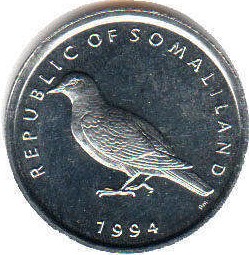
Wikimedia Commons
About the Somali Pigeon
The Somali Pigeon, known scientifically as Columba oliviae, is a distinctive member of the Columbidae family, native to the Horn of Africa. This species is predominantly found in Somalia, a region characterized by arid landscapes and sparse vegetation. The Somali Pigeon has adapted remarkably well to its harsh environment, thriving in areas where few other birds dare to venture. Despite its limited range, this pigeon plays a significant role in its ecosystem, acting as both a seed disperser and an important prey item for local predators. The Somali Pigeon is a medium-sized bird, measuring approximately 32 centimeters in length with a wingspan of around 64 centimeters. Its plumage is primarily gray, with subtle hints of brown on the wings and back, providing effective camouflage against the rocky terrain of its habitat. The bird's head is slightly lighter in color, and its eyes are strikingly dark, offering a sharp contrast against its pale feathers. The Somali Pigeon is not only a subject of interest for ornithologists due to its restricted range but also for its unique adaptations to the arid environment of Somalia. As the seasons change, the Somali Pigeon exhibits minor shifts in behavior, particularly during the breeding season when it becomes more territorial and vocal. Typically, this species is more active during the cooler hours of the day, avoiding the intense midday heat common in its habitat. While the Somali Pigeon is not currently listed as endangered, its limited range and the ongoing environmental changes in Somalia make it a species of concern among conservationists. Understanding its ecological role and monitoring its population trends are crucial for ensuring its continued survival in the wild.
The Somali Pigeon belongs to the family Columbidae, within the order Columbiformes. These birds typically live estimated average lifespan of 5-7 years, with limited data available..
How to Identify a Somali Pigeon
Identifying the Somali Pigeon involves noting its medium size, measuring about 32 cm in length. Its plumage is predominantly pale gray, with slight brownish tinges on the wings and back. The head and neck often appear slightly lighter, contributing to its overall subtle coloration. Adults possess a smooth and even plumage, while juveniles may display more mottled patterns and slightly duller colors. Both sexes look alike, though males might be marginally larger than females. In flight, the Somali Pigeon exhibits a broad wingspan of around 64 cm, showcasing a typical pigeon silhouette with rounded wings and a slightly rounded tail. When perched, it maintains an upright posture, often blending seamlessly into the rocky landscapes it inhabits. While it could be confused with other pigeon species in the region, the Somali Pigeon's paler coloration and distinct range help set it apart. Observing the bird in its preferred habitat further aids in accurate identification.
Having trouble telling birds apart? Upload a photo to our bird identification tool for an instant species match.
Somali Pigeon Habitat and Range
Preferred Habitat
The Somali Pigeon thrives in arid and semi-arid environments, predominantly inhabiting rocky outcrops and sparse shrublands typical of Somalia. It is often found at elevations ranging from sea level to about 1,500 meters, though it prefers lower altitudes where vegetation is scarce. Unlike many other pigeon species, the Somali Pigeon shows a strong preference for these dry regions, avoiding lush forests and wetlands. It can adapt to both rural and isolated areas but is seldom seen in urban settings. Seasonal habitat shifts are minimal, as the bird remains largely within its narrow range throughout the year. Its choice of habitat reflects its adaptation to the dry, hot climate of the region, providing it with ample opportunities for foraging and nesting.
Geographic Range
The Somali Pigeon is endemic to the Horn of Africa, with its presence primarily restricted to Somalia. Within this country, it occupies a limited range, particularly favoring the arid landscapes and rocky terrains. The species does not exhibit significant migratory behavior, remaining largely within its chosen range throughout the year. Its population density is highest in regions with suitable dry habitats, where food sources are more readily available. Breeding and non-breeding ranges overlap significantly, as the pigeon does not undergo long-distance migrations. The stability of its range, however, is subject to environmental pressures such as habitat destruction and climate change, which could potentially impact its population dynamics.
Want to know which birds visit your area? Browse our backyard birds by location guides for region-specific species lists.
What Does the Somali Pigeon Eat?
The diet of the Somali Pigeon primarily comprises seeds and grains, which it forages from the ground in its arid habitat. Its feeding strategy involves pecking at loose soil and rocks, searching for nutritious seeds that sustain it in the harsh environment. During certain seasons, particularly when seeds are scarce, the pigeon may also consume small invertebrates, providing an additional protein source. The bird's foraging often occurs during cooler periods, such as early morning and late afternoon, to avoid the sweltering midday heat. Its diet adapts to seasonal availability, reflecting the cyclical nature of food sources in its native range. The size of seeds consumed typically ranges from small to medium, and the pigeon demonstrates a remarkable ability to extract nutrition efficiently from its sparse environment.
Somali Pigeon Behavior and Social Structure
The Somali Pigeon exhibits a rather solitary lifestyle, although small flocks can be seen during feeding or at water sources. Territorial behavior becomes prominent during the breeding season, with males defending their chosen areas through vocal displays and occasional physical confrontations. Courtship involves a series of displays, including bowing and cooing, to attract a mate. Once paired, the pigeons remain together for the breeding season, cooperating in nest building and chick-rearing. The species shows a strong flight capability, with swift, direct flights often observed when moving between feeding sites. When faced with predators, the Somali Pigeon relies on rapid, agile flight to escape, often retreating to high, rocky perches that provide a vantage point and safety. Its daily activities are aligned with the cooler parts of the day, with peak activity occurring during dawn and dusk.
Somali Pigeon Nesting and Reproduction
Somali Pigeons construct their nests in sheltered rocky crevices or ledges, offering protection from predators and harsh weather. The nest consists of a loose platform made of twigs, grass, and leaves, creating a suitable environment for egg incubation. A typical clutch comprises two eggs, which both parents incubate over a period of approximately 14 to 17 days. After hatching, the chicks remain in the nest for about 18 to 21 days, during which both parents participate in feeding and caring for the young. The species typically raises one to two broods per year, depending on environmental conditions and food availability. Parental roles are shared equally, ensuring the chicks receive adequate nourishment and protection until they are ready to fledge.
Somali Pigeon Sounds and Vocalizations
The primary song of the Somali Pigeon is a low, repetitive cooing sound, often heard during the early morning hours. This vocalization serves as a territorial and mating call, resonating across the rocky landscapes of its habitat. In addition to its song, the pigeon produces a series of soft clucks and coos as contact calls between mates or flock members. Alarm calls, characterized by sharp, abrupt notes, signal the presence of potential threats, prompting alertness among nearby birds. The dawn chorus of the Somali Pigeon is a subtle yet integral part of the soundscape in its native range, blending harmoniously with the ambient sounds of its environment.
Interesting Facts About the Somali Pigeon
- 1Despite its name, the Somali Pigeon is not found throughout all of Somalia but is restricted to specific arid regions.
- 2The Somali Pigeon can endure extreme temperatures, showcasing its remarkable adaptation to its harsh environment.
- 3Unlike many pigeon species, the Somali Pigeon does not frequently visit urban areas, preferring remote, rocky landscapes.
- 4The Somali Pigeon's diet largely consists of seeds, but it will opportunistically consume small insects during lean seasons.
- 5The bird's subtle plumage provides excellent camouflage against the rocky outcrops it inhabits, aiding in predator avoidance.
- 6Both male and female Somali Pigeons share responsibilities in incubating eggs and feeding chicks, promoting successful rearing.
- 7The species' vocalizations are most prominent during the breeding season, serving as a primary means of communication.
Somali Pigeon Conservation Status
The Somali Pigeon is currently classified as Least Concern by the IUCN, although its restricted range in Somalia makes it vulnerable to habitat changes. Population trends are difficult to assess accurately due to the remote and inaccessible nature of its habitat. However, the primary threats to the species include habitat degradation, climate change, and potential human encroachment. Conservation efforts focus on habitat preservation and monitoring population dynamics to ensure stability. Historical changes in population sizes remain poorly documented, but ongoing studies aim to improve understanding and develop effective conservation strategies.


