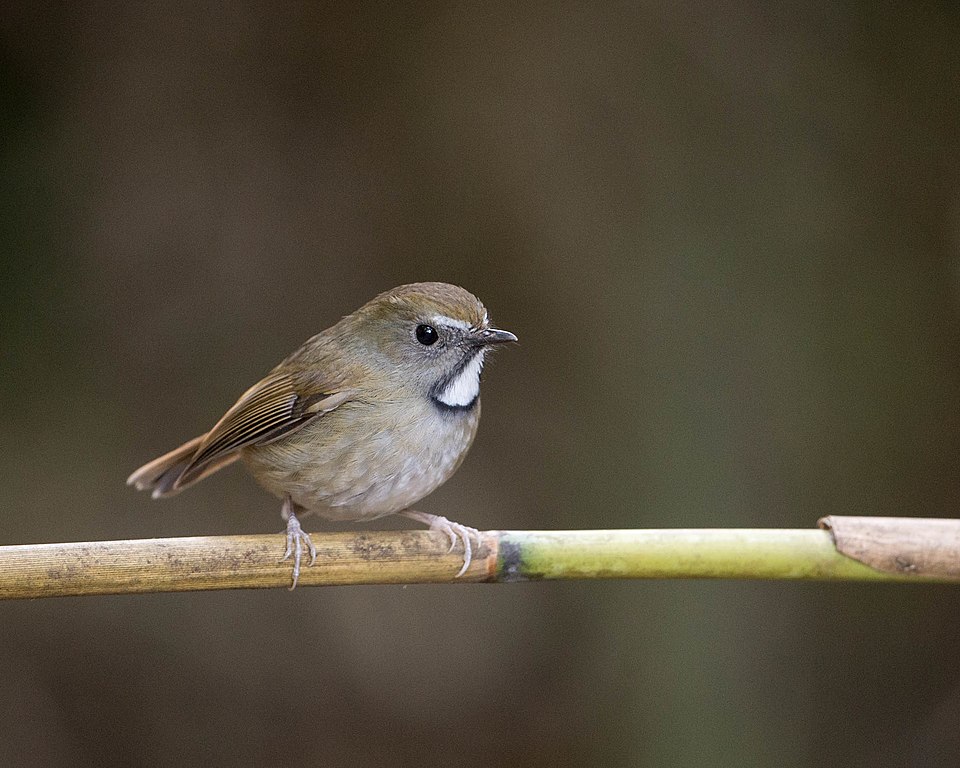
Sulawesi Blue Flycatcher
Cyornis omissus
Order: Passeriformes / Family: Muscicapidae

Wikimedia Commons
About the Sulawesi Blue Flycatcher
The Sulawesi Blue Flycatcher, scientifically known as Cyornis omissus, is a captivating songbird found exclusively on the Indonesian island of Sulawesi. It is a member of the Muscicapidae family, which includes a diverse array of flycatchers known for their agile hunting skills. This species holds significant ecological importance due to its role as an insect predator in the intricate forest ecosystem of Sulawesi. Its presence contributes to the control of insect populations, which in turn influences the health and growth of the forest vegetation. The island of Sulawesi is home to a unique blend of flora and fauna, and the Sulawesi Blue Flycatcher adds to this biodiversity, making it a species of interest for ornithologists and conservationists alike.
The Sulawesi Blue Flycatcher occupies a niche within the dense lowland and montane forests of the island. These forests provide not only a habitat but also a rich source of food. The bird is particularly adapted to the humid and lush environment found in regions such as the Lore Lindu National Park and the forests surrounding Lake Poso. These areas offer a mix of primary and secondary growth forests, both of which are critical to the flycatcher's survival. The ecological role of this bird extends beyond its feeding habits. As a seed disperser, it aids in the propagation of various plant species, contributing to the regeneration and sustenance of its forest home.
Seasonally, the Sulawesi Blue Flycatcher exhibits behaviors that coincide with the island's climate patterns. During the wet season, which typically spans from November to April, the abundance of insects provides ample food, allowing the birds to focus on breeding and raising their young. Conversely, in the drier months, the flycatcher may expand its foraging range slightly but remains primarily within forested areas. This seasonal behavior underscores the bird's resilience and adaptability to the environmental fluctuations of Sulawesi. Despite its elusive nature, the Sulawesi Blue Flycatcher remains a vital component of the island's ecological tapestry, offering insights into the complex interdependencies among Sulawesi's wildlife.
The Sulawesi Blue Flycatcher belongs to the family Muscicapidae, within the order Passeriformes. These birds typically live average 4-6 years with a maximum recorded of 9 years..
How to Identify a Sulawesi Blue Flycatcher
The Sulawesi Blue Flycatcher stands out with its vivid blue upperparts, making it relatively easy to identify despite its secretive behavior. Adult males typically exhibit brighter blue plumage compared to females, who are often duller with grayish-blue tones. Both sexes possess a white belly that contrasts sharply with their darker upper plumage. Juvenile birds may present a more subdued coloration with brownish tinges, which gradually develop into the striking blues of adulthood.
In terms of size, the Sulawesi Blue Flycatcher is a small bird, measuring approximately 13-15 centimeters in length. Its compact body and relatively short tail are characteristic features. When observed in flight, the flycatcher displays a swift and agile silhouette, with rapid wingbeats and a tendency to dart through the forest understory. The bird often perches upright on low branches, maintaining a vigilant posture as it scans for insects.
The Sulawesi Blue Flycatcher could potentially be confused with other members of the Cyornis genus, such as the Mangrove Blue Flycatcher. However, the latter prefers mangrove environments and has subtle differences in plumage. Observers should note the Sulawesi Blue Flycatcher's specific habitat preferences and distinct blue coloring to avoid misidentification. These visual cues, along with its behavior and song, aid in distinguishing this unique species from similar birds within its range.
Having trouble telling birds apart? Upload a photo to our bird identification tool for an instant species match.
Sulawesi Blue Flycatcher Habitat and Range
Preferred Habitat
The Sulawesi Blue Flycatcher primarily inhabits the island's lowland and montane forests. These environments provide the dense canopy cover and rich undergrowth that the species prefers. The bird is often found in primary forests, where the tall trees and diverse plant life create an ideal setting for foraging and breeding. However, it also occupies secondary forests, which may arise from natural regeneration or selective logging activities.
The elevation range for the Sulawesi Blue Flycatcher typically spans from sea level up to about 1,500 meters. While it is more common in forested areas, the bird can occasionally be found in forest-edge habitats and clearings, especially when searching for food. Unlike many other bird species, the Sulawesi Blue Flycatcher does not frequently venture into urban areas, preferring the relative seclusion of forest interiors.
Seasonal shifts in habitat use are generally limited, as the bird remains within forested regions year-round. This consistency underscores its reliance on the specific ecological conditions provided by Sulawesi's forests. The Sulawesi Blue Flycatcher's habitat selection highlights the importance of forest conservation efforts on the island, as the preservation of these environments directly impacts the species' survival.
Geographic Range
The Sulawesi Blue Flycatcher is an endemic species, found exclusively on the island of Sulawesi in Indonesia. Unlike migratory birds, this flycatcher resides permanently within its range, relying on the island's stable climate and abundant resources. Its distribution covers both the northern and southern parts of Sulawesi, with notable populations recorded in areas such as the Minahasa Peninsula and Central Sulawesi.
Within its range, the Sulawesi Blue Flycatcher is primarily associated with lowland and montane forests, which provide the necessary habitat and food resources. Populations tend to be denser in protected areas, such as Lore Lindu National Park, where conservation efforts help maintain the ecological integrity of the forests. These regions offer a refuge from habitat destruction and degradation, which are pressing threats outside protected areas.
Due to its restricted range and specific habitat requirements, the Sulawesi Blue Flycatcher's population distribution is patchy, with local densities varying depending on habitat quality and availability. This bird does not undertake long-distance migrations, instead remaining within its established territories throughout the year. Its presence is a testament to Sulawesi's unique biodiversity, emphasizing the need for targeted conservation measures to safeguard its natural forest habitats.
Want to know which birds visit your area? Browse our backyard birds by location guides for region-specific species lists.
What Does the Sulawesi Blue Flycatcher Eat?
The Sulawesi Blue Flycatcher primarily feeds on a diet consisting of various insects and other small arthropods. This diet reflects its role as an insectivore within the forest ecosystem of Sulawesi. The bird often targets flying insects, including flies, moths, and beetles, capturing them in mid-air with remarkable agility.
During the wet season, when insect populations are at their peak, the Sulawesi Blue Flycatcher can take advantage of the abundance of prey. This abundance allows it to focus on breeding activities, as the plentiful food supply supports the energetic demands of raising chicks. In the dry season, while the overall abundance of insects may decrease, the flycatcher adapts by expanding its foraging range slightly, seeking out insects in less dense vegetation or along forest edges.
The bird typically forages alone or in pairs, using a sit-and-wait hunting strategy. It perches quietly on branches within the forest understory, scanning for movement before launching swift attacks. While primarily insectivorous, the Sulawesi Blue Flycatcher may occasionally consume small fruits or seeds, especially when insect prey is scarce. This opportunistic feeding behavior ensures its survival in varying environmental conditions.
Sulawesi Blue Flycatcher Behavior and Social Structure
The Sulawesi Blue Flycatcher exhibits distinct behaviors that highlight its adaptability and ecological role within the forest. It is primarily a solitary bird outside the breeding season, often seen alone or in pairs as it forages through the dense forest undergrowth. This solitary nature aligns with its territorial behavior, as individuals establish and defend specific areas within the forest.
During the breeding season, which coincides with the wet months of November through April, the Sulawesi Blue Flycatcher becomes more vocal and active. Males engage in courtship displays to attract females, often involving song and flight maneuvers. These displays not only serve to attract mates but also reinforce territorial boundaries, as males sing from prominent perches to deter rivals.
The flycatcher remains vigilant against potential predators, employing a range of alarm calls to warn other birds of danger. It exhibits evasive flight patterns when threatened, darting rapidly through the understory to avoid capture. Daily activity patterns show peaks in the early morning and late afternoon, corresponding to periods of higher insect activity. The Sulawesi Blue Flycatcher's behavioral repertoire underscores its specialized adaptation to the forest environment, from its feeding strategies to its complex social interactions during the breeding season.
Sulawesi Blue Flycatcher Nesting and Reproduction
The Sulawesi Blue Flycatcher demonstrates specific nesting preferences that reflect its adaptation to the forest environment. It typically builds cup-shaped nests using a combination of natural materials such as moss, leaves, and twigs. These nests are often situated in the fork of a tree branch or within the dense foliage of shrubs, providing both camouflage and protection.
The bird prefers to nest in areas with ample canopy cover, which shields the nest from direct sunlight and predators. Clutch size generally ranges from two to four eggs, with both parents sharing incubation duties. The incubation period lasts approximately 14 days, after which the chicks hatch and require intensive care.
Parental roles are well defined, with both the male and female involved in feeding and caring for the young. Fledging occurs around 15 to 18 days post-hatching, at which point the juveniles begin to explore their surroundings under the watchful eyes of their parents. The Sulawesi Blue Flycatcher typically raises one to two broods per year, depending on food availability and environmental conditions. This reproductive strategy ensures the continuation of the species, even in the face of ecological challenges.
Sulawesi Blue Flycatcher Sounds and Vocalizations
The Sulawesi Blue Flycatcher's song is a melodious series of clear, whistling notes, often described as musical and soothing. The rhythm and pitch of the song vary slightly among individuals, adding a unique touch to each bird's vocal signature. Males primarily use their songs to establish territory and attract mates during the breeding season.
Aside from their primary song, these flycatchers produce a range of call notes, including sharp, repetitive chirps used in communication with mates and offspring. When alarmed, the Sulawesi Blue Flycatcher emits harsher, more urgent calls to alert others of potential threats. During the dawn chorus, the flycatcher's song contributes to the symphony of sounds that fills Sulawesi's forests, affirming its presence among the diverse avian community.
The vocalizations of the Sulawesi Blue Flycatcher, while distinctive, can be compared to those of other flycatcher species. However, its clear and melodious song sets it apart, serving as both a tool for communication and a defining characteristic of the species.
Interesting Facts About the Sulawesi Blue Flycatcher
- 1The Sulawesi Blue Flycatcher is endemic to Sulawesi, meaning it is found nowhere else in the world.
- 2Unlike many birds, the Sulawesi Blue Flycatcher does not migrate, staying in its forest habitat year-round.
- 3The bird's vivid blue plumage acts as a visual signal during courtship displays, attracting potential mates.
- 4Both male and female Sulawesi Blue Flycatchers participate in feeding and caring for their chicks.
- 5The species plays a crucial role in controlling insect populations, aiding in the balance of its forest ecosystem.
- 6Sulawesi's diverse topography and climate zones offer a range of habitats for the Sulawesi Blue Flycatcher.
- 7The song of the Sulawesi Blue Flycatcher contributes to the rich acoustic landscape of Sulawesi's forests.
Sulawesi Blue Flycatcher Conservation Status
The Sulawesi Blue Flycatcher is currently listed as Least Concern by the IUCN, but this status does not diminish the importance of conservation efforts. The population trend of the species appears stable, yet ongoing habitat loss and degradation pose significant threats. Deforestation for agriculture and logging activities continue to fragment the flycatcher's forest home. Conservation efforts focus on preserving the primary and secondary forests that the bird relies on. Protected areas such as Lore Lindu National Park play a critical role in safeguarding these habitats. Additionally, raising awareness about the ecological value of the Sulawesi Blue Flycatcher and its forest environment is crucial for fostering community support for conservation initiatives. Historically, the population of the Sulawesi Blue Flycatcher may have fluctuated with changes in land use and forest cover. Continued monitoring and research are essential to understand the long-term impacts of environmental changes and to inform effective conservation strategies. Preserving the natural habitat of this species ensures not only its survival but also the health of Sulawesi's unique forest ecosystems.