
Sulawesi Brown Flycatcher
Muscicapa sodhii
Order: Passeriformes / Family: Muscicapidae

Wikimedia Commons
About the Sulawesi Brown Flycatcher
The Sulawesi Brown Flycatcher, Muscicapa sodhii, is a small passerine bird that calls the Indonesian island of Sulawesi its exclusive home. As a member of the Muscicapidae family, it represents an important part of the region's rich avian biodiversity. Sulawesi, known for its unique blend of Asian and Australasian fauna, provides a perfect backdrop for this species, whose existence underscores the island's ecological distinctiveness. Sulawesi's mountainous landscapes, interspersed with lowland forests, offer varied habitats where the Sulawesi Brown Flycatcher thrives. This flycatcher plays a crucial role in maintaining the ecological balance by participating in insect control, feeding on a variety of small arthropods. This dietary habit helps manage insect populations, indirectly benefiting the forest ecosystem by preserving the health of trees and other plants. The island's climate, characterized by distinct wet and dry seasons, influences the bird's behavior and movement patterns. During the wet season, the abundant insect life provides ample food resources, while in the dry season, the flycatcher may shift its foraging strategies to adapt to the changing availability of prey. This adaptive behavior highlights the bird's ecological intelligence and resilience. The Sulawesi Brown Flycatcher's significance extends beyond its ecological role. As a species endemic to Sulawesi, it exemplifies the island's unique evolutionary path, contributing to the understanding of speciation, biogeography, and conservation biology. Researchers and bird enthusiasts alike are drawn to study this species to gain insights into the broader dynamics at play in one of Earth's biodiversity hotspots. In recent years, the Sulawesi Brown Flycatcher has garnered attention due to habitat loss driven by agricultural expansion and deforestation. Conservation efforts focus on preserving its natural habitat, aiming to ensure that this avian gem continues to symbolize Sulawesi's natural heritage.
The Sulawesi Brown Flycatcher belongs to the family Muscicapidae, within the order Passeriformes. These birds typically live Unknown, but likely similar to closely related species..
How to Identify a Sulawesi Brown Flycatcher
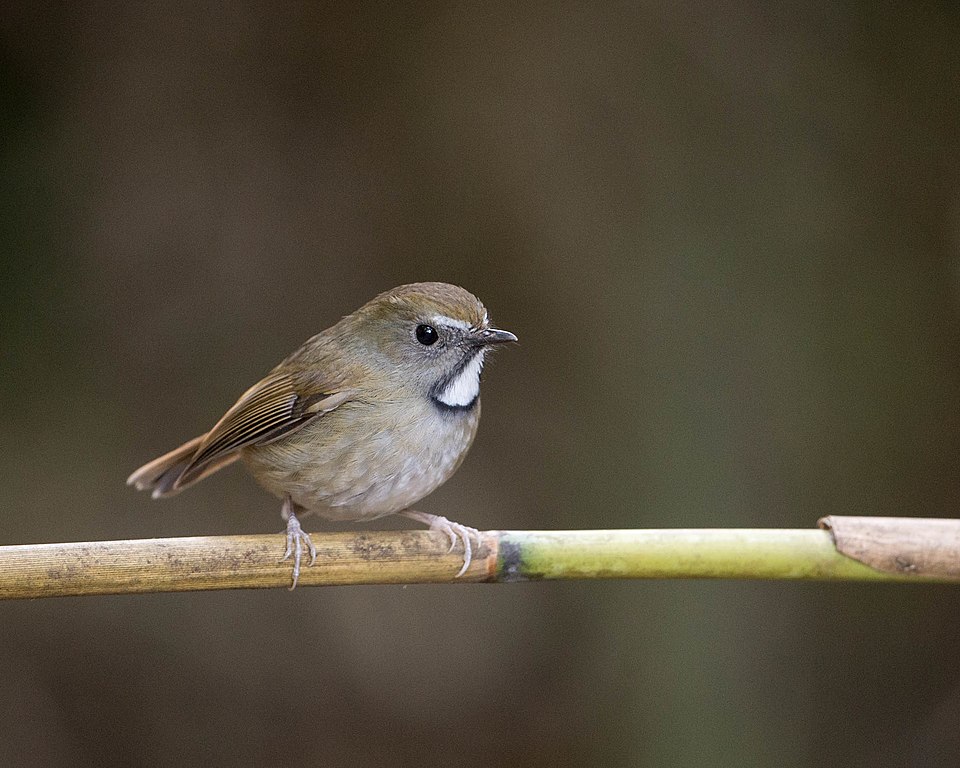
The Sulawesi Brown Flycatcher exhibits a predominantly brown plumage, which serves as a key identifying trait. Adult birds are characterized by their uniform brown back, wings, and tail, while the underparts are a lighter shade, often tending towards a pale buff. This coloration provides effective camouflage against the forest's bark and leaf litter. The bird's head is marked by a subtle contrast, with a slightly darker crown and a faint eye-ring that adds to its distinctive appearance. Juvenile Sulawesi Brown Flycatchers resemble adults but may display a mottled pattern on their breast, offering a degree of differentiation for keen observers. Both male and female flycatchers exhibit similar plumage, making sexing in the field a challenge without behavioral cues. In comparison to other flycatchers, the Sulawesi Brown Flycatcher is small, typically measuring around 13 cm in length. Its silhouette in flight is compact, with rapid wingbeats and a direct, purposeful flight path, aiding in the capture of airborne insects. When perched, the bird maintains a slightly upright posture, often on a low branch or twig, from which it launches to snatch prey. While similar species such as the Asian Brown Flycatcher (Muscicapa dauurica) may occasionally cause confusion, the Sulawesi Brown Flycatcher's more muted and consistent brown tones are distinctive.
Having trouble telling birds apart? Upload a photo to our bird identification tool for an instant species match.
Sulawesi Brown Flycatcher Habitat and Range
Preferred Habitat
The Sulawesi Brown Flycatcher inhabits the diverse forest ecosystems of the island of Sulawesi. Preferring primary and secondary lowland and montane forests, the bird is typically found at elevations ranging from sea level up to 1,500 meters. These forests provide the dense canopy and diverse understory that support abundant insect life, essential to the flycatcher's diet. The bird's presence is more strongly associated with mature forests, where it finds optimal foraging opportunities and nesting sites. Although primarily a forest dweller, the Sulawesi Brown Flycatcher can occasionally be observed venturing into forest edges and degraded habitats, particularly if these areas are adjacent to more pristine environments. However, it is less commonly found in urban settings, as these areas lack the complex habitat structure the bird requires. Seasonal shifts in habitat use are minimal, as the island's relatively stable climate allows the flycatcher to occupy its preferred environments year-round.
Geographic Range
The Sulawesi Brown Flycatcher is endemic to the island of Sulawesi in Indonesia. It occupies a range across the central and northern regions of the island, where continuous forest habitats are found. Unlike many migratory flycatchers, Muscicapa sodhii is a resident species, maintaining its territory throughout the year. The bird's distribution is largely defined by the availability of suitable forested habitats. While it is generally widespread across its range, it is more frequently encountered in areas of high forest cover, such as the central highlands and protected areas like Lore Lindu National Park. These regions provide the necessary ecological conditions for the bird's survival and reproduction. Population density can fluctuate based on habitat quality, with higher densities typically observed in undisturbed forest areas. As a result, ongoing habitat fragmentation and deforestation pose significant threats to this species, leading to concerns about its long-term viability.
Want to know which birds visit your area? Browse our backyard birds by location guides for region-specific species lists.
What Does the Sulawesi Brown Flycatcher Eat?
The diet of the Sulawesi Brown Flycatcher primarily consists of insects and other small arthropods, making it an insectivorous species. It employs a range of foraging techniques, predominantly sallying from a perch to capture prey in mid-air. This method allows the flycatcher to exploit the abundant insect life found within its forest habitat. During the wet season, the abundance of flying insects such as mosquitoes and flies provides ample feeding opportunities. As the dry season approaches, the bird adapts by focusing on slower-moving prey, such as caterpillars and beetles, often gleaned from foliage. The Sulawesi Brown Flycatcher shows a preference for small to medium-sized prey, typically measuring up to 1 cm in length. Its foraging activity peaks during the early morning and late afternoon, coinciding with periods of increased insect activity. This schedule allows the bird to maximize its energy intake while avoiding the heat of midday.
Sulawesi Brown Flycatcher Behavior and Social Structure
The Sulawesi Brown Flycatcher exhibits a solitary or loosely paired social structure, typical of many flycatcher species. It maintains a territory, especially during the breeding season, displaying aggressive behavior towards intruders. Males often engage in aerial chases and vocal displays to assert dominance and secure mating opportunities. Courtship involves subtle displays, where the male may present food to the female as part of the bonding process. Although generally solitary, outside of breeding periods, the flycatcher may join mixed-species foraging flocks. These associations provide increased foraging efficiency and protection from predators. The bird exhibits a cautious demeanor, often retreating to dense cover when threatened. Its daily activity follows a diurnal pattern, with peak activity in the early morning and late afternoon. During these times, the bird is most vocal and visible, actively foraging and defending its territory.
Sulawesi Brown Flycatcher Nesting and Reproduction
The Sulawesi Brown Flycatcher constructs cup-shaped nests, typically located on horizontal branches or in tree forks. Nests are composed of fine twigs, grass, and moss, bound together with spider silk to create a sturdy structure. These nests are often positioned several meters above the ground, providing protection from ground-based predators. The typical clutch consists of two to three eggs, which are incubated by the female for approximately 12-14 days. After hatching, both parents participate in feeding the chicks, which fledge after about 14-16 days. The fledglings remain dependent on their parents for several weeks post-fledging, during which they learn essential survival skills. The species typically raises one brood per year, although in favorable conditions, a second brood may be attempted.
Sulawesi Brown Flycatcher Sounds and Vocalizations
The Sulawesi Brown Flycatcher's primary song consists of a series of soft, melodious whistles and trills. These vocalizations are delivered in a rhythmic pattern, often described as a gentle, cascading series of notes. The song is most frequently heard during the early morning, forming part of the dawn chorus. In addition to its song, the bird emits short, sharp call notes used for communication between mates and during territorial disputes. Alarm calls are more abrupt and harsh, serving as warnings to potential threats. These vocalizations, while not as varied as some songbird species, are nevertheless distinctive and play a crucial role in the bird's social interactions.
Interesting Facts About the Sulawesi Brown Flycatcher
- 1The Sulawesi Brown Flycatcher was only recently described in 2009, highlighting the ongoing discoveries in biodiversity.
- 2Endemic to Sulawesi, this flycatcher is a living testament to the island's unique evolutionary history.
- 3Unlike many flycatchers, the Sulawesi Brown Flycatcher is non-migratory, residing year-round in its forest home.
- 4This bird's diet primarily consists of insects, making it an important player in controlling pest populations in its habitat.
- 5The Sulawesi Brown Flycatcher's song, though not as elaborate as some songbirds, is a key tool for territory defense and mate attraction.
Sulawesi Brown Flycatcher Conservation Status
Currently listed as Least Concern by the IUCN, the Sulawesi Brown Flycatcher faces challenges due to habitat loss and degradation. The primary threat stems from deforestation, driven by logging and agricultural expansion, which reduces the availability of suitable habitats. Despite these pressures, the species remains relatively stable in population, thanks in part to its presence in protected areas. Conservation efforts focus on habitat preservation and the establishment of more protected regions. Monitoring programs aim to track population trends and inform future conservation strategies. Historical population changes are not well-documented, but ongoing habitat loss underscores the need for continued vigilance in conservation efforts.
Other Muscicapidae Species


Birds Similar to the Sulawesi Brown Flycatcher
These species are often confused with the Sulawesi Brown Flycatcher due to similar appearance or overlapping range.

