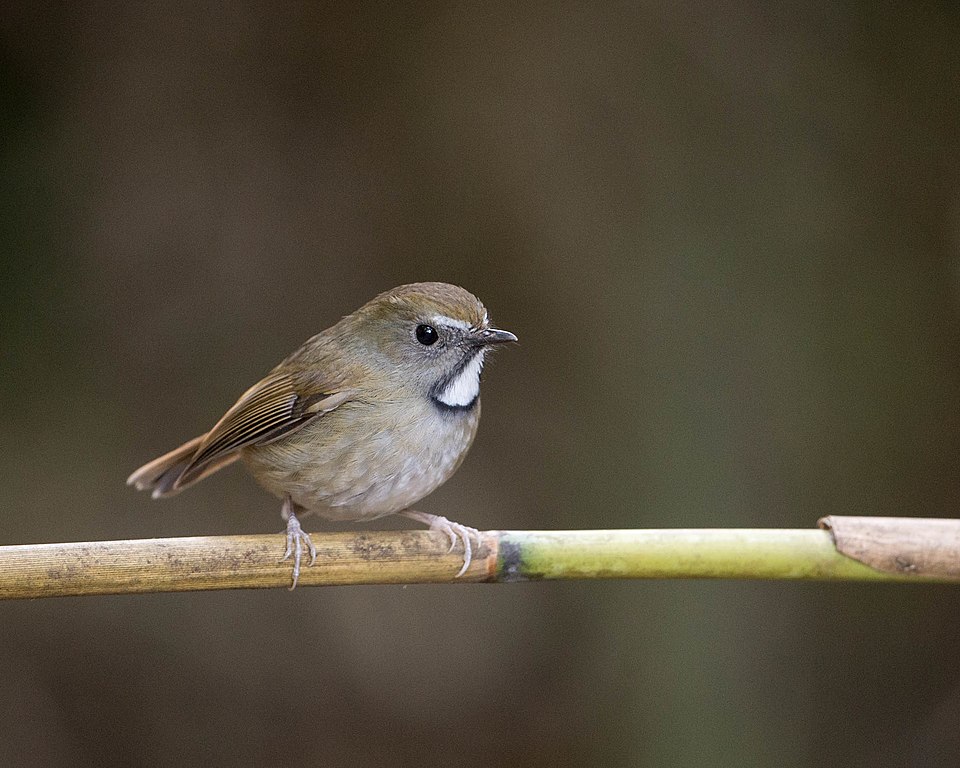
Sulu Jungle Flycatcher
Cyornis ocularis
Order: Passeriformes / Family: Muscicapidae

Wikimedia Commons
About the Sulu Jungle Flycatcher
The Sulu Jungle Flycatcher, scientifically known as Cyornis ocularis, is a captivating avian species native to the Sulu Archipelago in the Philippines. This bird is a member of the Muscicapidae family, a group renowned for their vocal abilities and diverse habitats. The Sulu Jungle Flycatcher plays a crucial ecological role as both a predator of insects and a prey item for larger animals, maintaining the balance within its forest ecosystem. This species thrives in tropical moist lowland forests, a habitat rich with biodiversity and vital ecological functions.
Given the limited distribution of the Sulu Jungle Flycatcher, it holds significant conservation importance. The unique geography of the Sulu Archipelago provides an array of microhabitats, allowing this species to exhibit a variety of behaviors and adaptations. The survival of the Sulu Jungle Flycatcher is closely tied to the health of these forested areas, which face threats from logging and agricultural expansion.
The Sulu Jungle Flycatcher exhibits seasonal behaviors that reflect its adaptation to the tropical climate. During the breeding season, individuals become more territorial, establishing breeding grounds in concealed areas of the forest. As the seasons change, their activity patterns shift slightly, although they remain primarily within the forest environment year-round. This adaptability to seasonal variations in the forest's resources showcases the flycatcher's resilience in its native habitat.
The Sulu Jungle Flycatcher belongs to the family Muscicapidae, within the order Passeriformes. These birds typically live average 3-5 years with a maximum recorded of 7 years..
How to Identify a Sulu Jungle Flycatcher
Identifying the Sulu Jungle Flycatcher involves careful observation of its distinctive field marks. Adult birds measure approximately 13 centimeters in length, boasting a striking combination of greyish-brown upperparts and paler underparts. One of the most noticeable features is the bold white ring encircling its dark eye, lending a distinctive 'spectacled' appearance that aids in identification. The wings and tail are darker, providing a subtle contrast with the rest of the plumage.
Juvenile Sulu Jungle Flycatchers share similar coloration with adults but may exhibit slightly duller plumage. Unlike many bird species, male and female Sulu Jungle Flycatchers display minimal sexual dimorphism, making it challenging to distinguish between genders based solely on appearance. However, experienced birders might notice subtle differences in behavior, particularly during the breeding season.
This species may be confused with other flycatchers within the region. However, its unique eye ring and overall coloration help differentiate it from similar species. In flight, the Sulu Jungle Flycatcher presents a compact silhouette, with rapid wingbeats and short glides typical of flycatchers. When perched, it often adopts an alert posture, ready to dart after passing insects.
Having trouble telling birds apart? Upload a photo to our bird identification tool for an instant species match.
Sulu Jungle Flycatcher Habitat and Range
Preferred Habitat
The Sulu Jungle Flycatcher inhabits tropical moist lowland forests, primarily within the Sulu Archipelago. These forests provide dense canopy cover, ideal for foraging and nesting. The species prefers areas with an abundance of undergrowth and foliage, crucial for insect hunting and nest concealment. Elevation ranges from sea level to about 500 meters, where the conditions suit its needs for food and shelter.
Unlike some other flycatchers, the Sulu Jungle Flycatcher does not typically venture into urban areas, instead remaining within the forested regions it calls home. Seasonal habitat shifts are minimal, as the bird remains in the same forests throughout the year. Its presence in these habitats underscores the importance of tropical forests in the region, both for biodiversity and ecological stability.
Geographic Range
The Sulu Jungle Flycatcher is predominantly found within the Sulu Archipelago, a group of islands in the southwestern Philippines. Its range is highly restricted to this region, making it an endemic species with no known migratory patterns. As a resident species, it does not undertake long-distance migrations like some other flycatchers.
Within the archipelago, the Sulu Jungle Flycatcher occupies several islands, including Jolo, Tawi-Tawi, and smaller neighboring islands. Due to its limited range, the population density is concentrated in these areas, with certain islands serving as hotspots for this species. This localized distribution highlights the need for targeted conservation efforts within the Sulu Archipelago to ensure the species' long-term survival.
Want to know which birds visit your area? Browse our backyard birds by location guides for region-specific species lists.
What Does the Sulu Jungle Flycatcher Eat?
The diet of the Sulu Jungle Flycatcher primarily consists of insects, which it captures using a sally-strike foraging technique. This involves perching quietly before launching into brief flights to snatch passing prey, a behavior typical of flycatchers. Its diet includes a variety of insects such as beetles, flies, and caterpillars, which provide essential nutrients.
Seasonal diet changes are minimal due to the consistent availability of insects within its tropical forest habitat. However, the bird may adjust its foraging strategy based on prey abundance, targeting different insect species as they become more prevalent. The prey size varies but typically includes small to medium-sized insects, aligning with the bird's size and foraging capabilities.
Sulu Jungle Flycatcher Behavior and Social Structure
The Sulu Jungle Flycatcher exhibits fascinating social and territorial behaviors. It is primarily a solitary bird, especially outside the breeding season, when it defends its territory with vigor. During breeding, this flycatcher becomes more vocal and territorial, often using song to establish dominance and attract mates.
Courtship displays involve a combination of song and subtle physical gestures. Males may perform fluttering flights near potential mates, showcasing their agility and plumage. Flocking is uncommon for this species, as it tends to maintain a solitary existence. However, during times of abundant food, multiple individuals might be observed in proximity, taking advantage of the resource availability.
In response to predators, the Sulu Jungle Flycatcher employs a combination of alarm calls and evasive maneuvers. Its daily activity peaks in the early morning and late afternoon, times when insect prey is most active. The bird remains relatively inactive during the hottest part of the day, seeking shade and conserving energy.
Sulu Jungle Flycatcher Nesting and Reproduction
The nesting habits of the Sulu Jungle Flycatcher reflect its preference for concealed, secure locations. Nests are typically cup-shaped, constructed from a mix of twigs, leaves, and moss, providing camouflage within the dense forest foliage. These nests are usually situated low in the understory, ensuring protection from both predators and environmental elements.
Clutch size generally ranges from two to three eggs, with an incubation period lasting approximately 14 days. Both parents partake in incubation duties, though females often assume a greater role. Once hatched, the chicks remain in the nest for about 12-14 days before fledging. Parental care continues post-fledging, with both parents involved in feeding and protecting the young.
The Sulu Jungle Flycatcher typically raises one brood per year, although circumstances such as food availability and predation can influence reproductive success.
Sulu Jungle Flycatcher Sounds and Vocalizations
The Sulu Jungle Flycatcher's primary song consists of a series of melodious whistles, characterized by a steady rhythm and moderate pitch. These vocalizations serve both territorial and mating purposes, as males sing to establish boundaries and attract mates. The song's quality is sweet and clear, reminiscent of other members of the Muscicapidae family.
In addition to the primary song, this flycatcher emits distinct call notes, often used as contact calls between mates or family members. Alarm calls are sharper and more abrupt, signaling the presence of predators or other threats. During the dawn chorus, males become particularly vocal, marking the beginning of their active day with an array of calls and songs.
Interesting Facts About the Sulu Jungle Flycatcher
- 1The Sulu Jungle Flycatcher, despite its name, rarely strays from dense forest environments, preferring the rich insect life found there.
- 2This flycatcher boasts a distinctive eye ring, making it one of the easiest flycatchers to identify despite its elusive nature.
- 3The Sulu Jungle Flycatcher's song is not only beautiful but also serves as an essential tool for territory defense and mate attraction.
- 4Unlike many birds, the Sulu Jungle Flycatcher shows little sexual dimorphism, making it challenging to distinguish males from females by appearance alone.
- 5Endemic to the Sulu Archipelago, the Sulu Jungle Flycatcher highlights the importance of island biodiversity and conservation.
- 6The bird's feeding technique, known as the sally-strike, demonstrates its agility and precision as it captures insects in mid-air.
- 7Though small in size, measuring about 13 centimeters, the Sulu Jungle Flycatcher plays a crucial role in controlling insect populations within its habitat.
Sulu Jungle Flycatcher Conservation Status
The Sulu Jungle Flycatcher currently holds a Near Threatened status according to the IUCN Red List. The population shows a declining trend, primarily due to habitat loss from deforestation and land conversion in the Sulu Archipelago. These activities pose significant threats to the bird's limited range and specialized habitat requirements. Conservation efforts focus on habitat protection and restoration, emphasizing the importance of preserving the unique ecosystems within the Sulu region. Historical population changes have been influenced by both natural and anthropogenic factors, underscoring the need for ongoing monitoring and conservation action to prevent further decline.