
Sumatran Whistling-Thrush
Myophonus castaneus
Order: Passeriformes / Family: Muscicapidae

Wikimedia Commons
About the Sumatran Whistling-Thrush
The Sumatran Whistling-Thrush, known scientifically as Myophonus castaneus, is an intriguing and vibrant member of the family Muscicapidae. This species is endemic to the island of Sumatra, Indonesia, where it inhabits montane forests. Its presence in these ecosystems signifies a healthy environment, as it is a bird that thrives in undisturbed forest habitats. The Sumatran Whistling-Thrush plays a critical ecological role as both a predator of insects and a disperser of seeds, contributing to the health and regeneration of its forest habitat.
This bird is found primarily in the montane regions of Sumatra, thriving in altitudes ranging from 800 to 2,400 meters above sea level. The species is particularly associated with primary forests, but it can also be found in secondary forests if they are mature and provide sufficient canopy cover. The seasonal behaviors of the Sumatran Whistling-Thrush include variations in vocalizations and foraging as weather patterns change, though it generally remains within its montane habitat year-round.
The Sumatran Whistling-Thrush contributes to the biodiversity of the Sumatran forests. Its presence indicates a balanced ecosystem as it feeds on a variety of invertebrates and small vertebrates, controlling their populations. Additionally, its role as a seed disperser helps maintain the forest's floral diversity. As such, the bird is not only a subject of interest for birders and naturalists but also an important species for researchers studying forest ecology in Sumatra. The Sumatran Whistling-Thrush’s melodious song is a hallmark of the lush montane forests, providing a natural symphony that underscores the rich biodiversity of the region.
The Sumatran Whistling-Thrush belongs to the family Muscicapidae, within the order Passeriformes. These birds typically live average 6 years, with a maximum recorded of 9 years..
How to Identify a Sumatran Whistling-Thrush
Identifying the Sumatran Whistling-Thrush involves recognizing its striking deep blue plumage, which covers most of the adult's body. The bird's head, back, and wings display this vibrant color, while its underparts are usually a contrasting dark slate. The eyes are a noticeable pale yellow, providing a stark contrast to the rest of its coloring. Males and females are similar in appearance, although females may display slightly duller tones. Juveniles differ by having a more mottled appearance with brownish hues, which helps them blend more effectively with their surroundings.
In flight, the Sumatran Whistling-Thrush presents a rounded silhouette with broad wings and a short tail, which is typical of its family. Its flight is strong and direct, usually over short distances, given its preference for dense forest habitats. When perched, the bird maintains an upright posture, often observed on branches or rocks close to streams where it forages.
The Sumatran Whistling-Thrush might be confused with other Myophonus species, such as the Javan Whistling-Thrush, but its geographic range and specific plumage characteristics aid in accurate identification. Its distinct song, a series of clear, melodious whistles, further sets it apart from similar species in the region.
Having trouble telling birds apart? Upload a photo to our bird identification tool for an instant species match.
Sumatran Whistling-Thrush Habitat and Range
Preferred Habitat
The Sumatran Whistling-Thrush is primarily found in montane forests on the island of Sumatra. These forests provide the dense canopy cover and moisture-rich environment that the species favors. The bird thrives at elevations between 800 and 2,400 meters, where cooler temperatures prevail, and a variety of prey is abundant. Within these forests, the Sumatran Whistling-Thrush frequents areas near streams and rivers, as these locations offer both feeding opportunities and suitable nesting sites.
Unlike some birds that adapt well to urban environments, the Sumatran Whistling-Thrush is rarely found outside its natural montane forest habitat. The species does not typically migrate over large distances, remaining in its preferred environment year-round. Although it can occupy secondary forests, these areas must be mature with sufficient canopy density to meet its ecological needs.
Geographic Range
The Sumatran Whistling-Thrush's range is confined to the island of Sumatra in Indonesia, where it inhabits the mountainous regions. The bird's distribution is limited to montane forests, where it is considered a resident species, showing little to no migratory behavior. Within Sumatra, its presence is most concentrated in the Barisan Mountains, a range that runs along the western side of the island, providing extensive suitable habitat.
The population density of the Sumatran Whistling-Thrush tends to be higher in regions where forests remain undisturbed by human activities. It is less common in areas where deforestation or habitat fragmentation has occurred. Although the species is not migratory, it may exhibit local movements in response to seasonal variations in food availability or changes in environmental conditions.
Want to know which birds visit your area? Browse our backyard birds by location guides for region-specific species lists.
What Does the Sumatran Whistling-Thrush Eat?
The Sumatran Whistling-Thrush primarily feeds on insects and other invertebrates, making it an important predator within its ecosystem. Its diet includes beetles, ants, and caterpillars, which it forages for along forest floors and stream banks. The bird uses a technique known as 'gleaning,' picking prey off leaves and branches with precision. During the wet season, when insect abundance increases, the thrush takes full advantage of this bounty to meet its nutritional needs.
In addition to insects, the Sumatran Whistling-Thrush occasionally consumes small vertebrates, such as frogs and lizards, which it captures with swift, accurate movements. The bird also supplements its diet with fruits and seeds, playing a role in seed dispersal within its habitat. Foraging typically occurs during the early morning and late afternoon, when the bird is most active.
Sumatran Whistling-Thrush Behavior and Social Structure
The Sumatran Whistling-Thrush exhibits solitary and territorial behavior, especially during the breeding season. Males are known for their melodious songs, which serve to establish territory and attract mates. These songs are most commonly heard at dawn and dusk, echoing through the forest. The territorial nature of the species means that individuals vigorously defend their feeding and nesting areas from intrusions by other thrushes.
When faced with predators, the Sumatran Whistling-Thrush employs a variety of strategies, including alarm calls and evasive flight patterns. The bird is typically cautious, often retreating to dense cover when disturbed. During non-breeding periods, the thrush may loosely associate with other forest bird species, joining mixed-species flocks to forage more efficiently.
Courtship among Sumatran Whistling-Thrushes involves males performing song displays and sometimes offering food to females. These displays are critical for pair bond formation and successful mating. The bird's daily activities are largely dictated by the availability of food and the need to defend its territory.
Sumatran Whistling-Thrush Nesting and Reproduction
The Sumatran Whistling-Thrush constructs its nest in secluded areas, often choosing sites close to water sources such as streams or rivers. The nest itself is a bulky cup made of twigs, moss, and leaves, providing camouflage and protection from predators. The female typically lays a clutch of 2 to 3 eggs, which she incubates for approximately 14 to 16 days.
Both parents participate in feeding and caring for the chicks, demonstrating a strong parental investment. The young fledge about 16 to 18 days after hatching, but they remain dependent on the parents for several weeks thereafter. The number of broods per year can vary depending on environmental conditions, with one or two broods being typical. The selection of nesting sites and parental care strategies are crucial for the survival of the offspring in the montane forest environment.
Sumatran Whistling-Thrush Sounds and Vocalizations
The song of the Sumatran Whistling-Thrush is a series of melodious whistles that vary in pitch and rhythm, creating a harmonious and soothing effect. These vocalizations are most commonly heard during the early morning hours and at dusk, contributing to the auditory landscape of the montane forests. The bird's call notes are sharp and purposeful, often used to communicate with mates or signal alarm.
Alarm calls tend to be more abrupt and higher-pitched, serving as a warning to other birds in the vicinity of potential danger. The Sumatran Whistling-Thrush's vocal repertoire is not only a vital tool for communication but also a distinguishing characteristic that aids in identifying the species amidst the dense forest.
Interesting Facts About the Sumatran Whistling-Thrush
- 1The Sumatran Whistling-Thrush's song can be heard up to 500 meters away in dense forest, showcasing its strength and clarity.
- 2Despite its vibrant plumage, the Sumatran Whistling-Thrush can be elusive, often remaining hidden among the thick undergrowth.
- 3This species has been observed using tools, such as leaves, to extract insects from crevices, demonstrating notable intelligence.
- 4The Sumatran Whistling-Thrush is an indicator species, meaning its presence reflects the health of its montane forest ecosystem.
- 5Ornithologists have documented over 30 distinct vocalizations in the Sumatran Whistling-Thrush's repertoire, each with a unique purpose.
Sumatran Whistling-Thrush Conservation Status
The Sumatran Whistling-Thrush is currently listed as Least Concern by the IUCN, but its population is believed to be decreasing due to habitat loss. Primary threats include deforestation and habitat fragmentation resulting from logging and agricultural expansion. Conservation efforts focus on protecting montane forest habitats, particularly in national parks and reserves. Historically, the population trends of the Sumatran Whistling-Thrush have mirrored the health of Sumatra's forests, highlighting the need for sustainable forestry practices. Conservationists advocate for increased protected areas and stricter enforcement of anti-logging regulations to ensure the survival of this and other forest-dependent species.
Other Muscicapidae Species
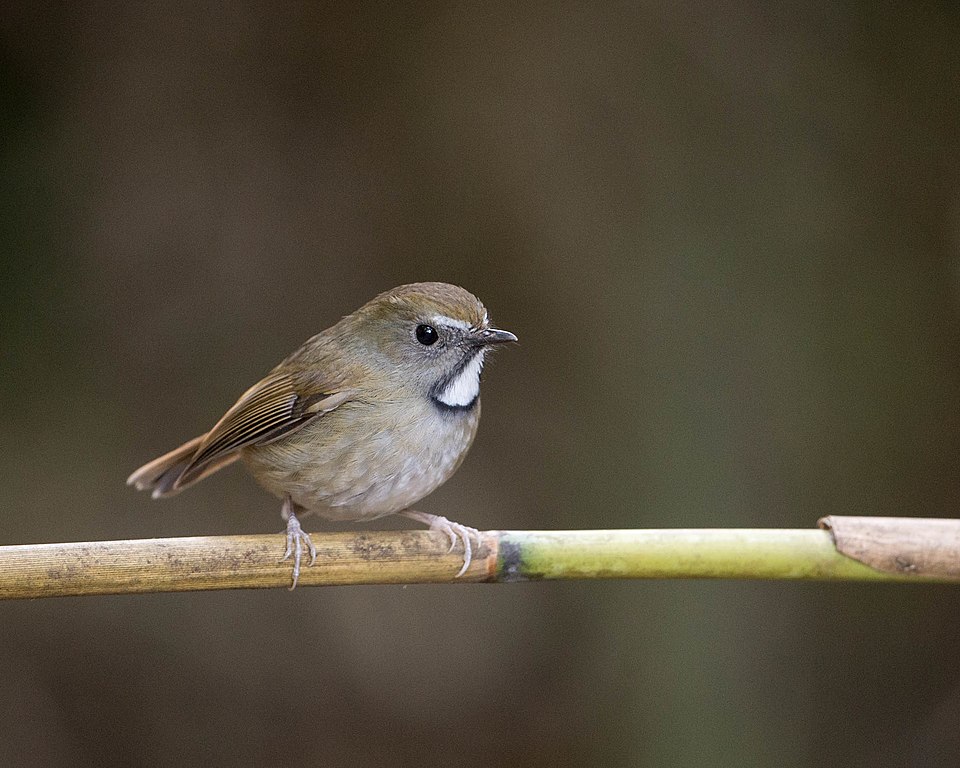


Birds Similar to the Sumatran Whistling-Thrush
These species are often confused with the Sumatran Whistling-Thrush due to similar appearance or overlapping range.
