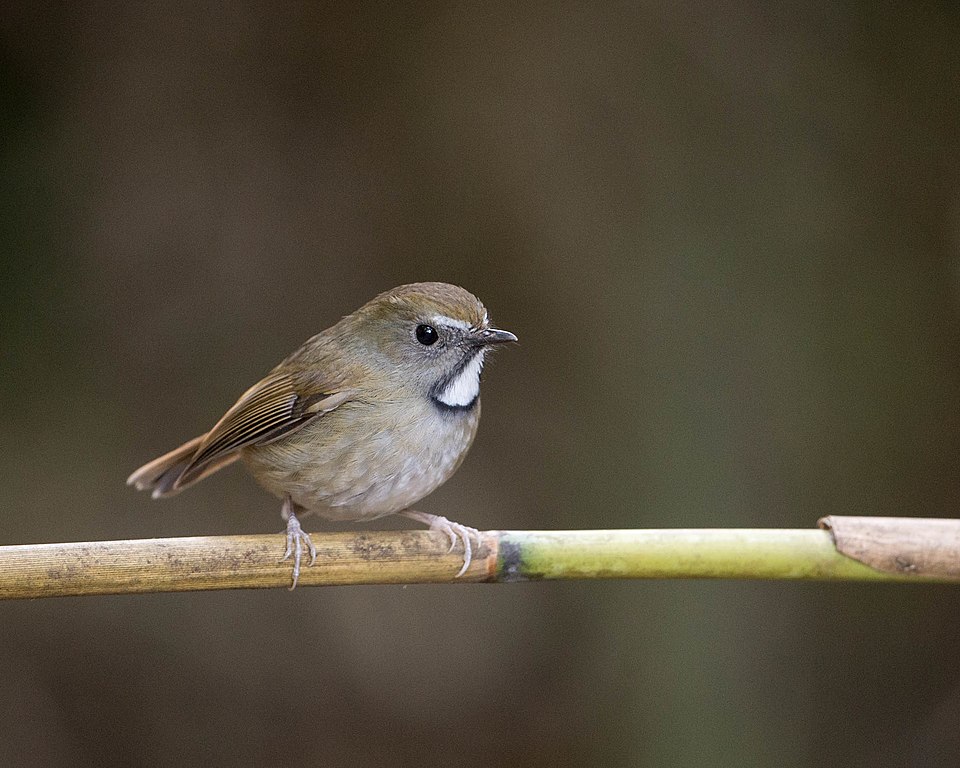
Swamp Flycatcher
Muscicapa aquatica
Order: Passeriformes / Family: Muscicapidae

Wikimedia Commons
About the Swamp Flycatcher
The Swamp Flycatcher, scientifically known as Muscicapa aquatica, is a small passerine bird belonging to the family Muscicapidae. This species is predominantly found in sub-Saharan Africa, where it inhabits a variety of wetland environments. Its presence is most notable in regions such as the Okavango Delta in Botswana and the wetlands of Uganda and Kenya. The Swamp Flycatcher plays a crucial ecological role as an insectivore, helping to control the populations of various insect species, including those that are pests to humans and crops.
Occupying a niche within swampy areas, riverine forests, and papyrus beds, the Swamp Flycatcher is well-adapted to its wetland habitat. The bird often resides in proximity to water bodies, where it can be observed flitting about in search of its next meal. Its diet mainly consists of small insects and other invertebrates, which it catches mid-flight with remarkable agility.
Seasonally, the Swamp Flycatcher exhibits some movement patterns, although it is generally considered a resident species in its range. During the wet season, when food is more abundant, these birds may display increased breeding activity. Conversely, in drier periods, they may shift to areas with more reliable water sources. The Swamp Flycatcher's adaptability to various wetland conditions underscores its importance in the ecosystems it inhabits, maintaining the balance by preying on insects and serving as prey for larger avian predators.
The Swamp Flycatcher is not only significant ecologically but also holds aesthetic and cultural value. Birdwatchers and ornithologists often seek it out for its distinctive, albeit understated, presence in Africa's lush wetlands. As wetlands face threats from human activities such as agriculture and urban development, the Swamp Flycatcher's habitat becomes increasingly vulnerable, highlighting the need for conservation efforts to protect these vital ecosystems.
The Swamp Flycatcher belongs to the family Muscicapidae, within the order Passeriformes. These birds typically live 5 years average, up to 8 years recorded.
How to Identify a Swamp Flycatcher
The Swamp Flycatcher, Muscicapa aquatica, is a small bird, measuring approximately 14 cm in length. Adult plumage is characterized by grayish-brown upperparts and pale underparts, with a subtle olive tinge on the wings. The bird's throat and breast are typically a lighter gray, providing a gentle contrast to the darker back. Juvenile Swamp Flycatchers display a more mottled appearance, with buffy edges to their feathers that gradually fade as they mature.
There is little sexual dimorphism in this species, as males and females appear quite similar. However, during the breeding season, males may exhibit slightly brighter plumage, although this is not a reliable distinguishing feature. Observers may confuse the Swamp Flycatcher with similar flycatcher species, such as the Dusky-blue Flycatcher, but the latter lacks the Swamp Flycatcher's distinctive habitat preference and overall coloration.
In flight, the Swamp Flycatcher displays a swift and agile silhouette, often darting out from a perch to snatch insects mid-air. When perched, the bird maintains an upright posture, frequently flicking its wings and tail, a behavior common among flycatchers. These field marks, combined with its preference for wetland habitats, aid in accurate identification for birders and researchers alike.
Having trouble telling birds apart? Upload a photo to our bird identification tool for an instant species match.
Swamp Flycatcher Habitat and Range
Preferred Habitat
The Swamp Flycatcher predominantly inhabits wetland environments, including marshes, swamps, and riverine forests. It thrives in areas with abundant water bodies, such as the Okavango Delta, and is often found amidst papyrus beds and dense reed thickets. This species shows a marked preference for lowland wetlands, typically at elevations below 1500 meters.
Seasonally, the Swamp Flycatcher may shift its habitat slightly, moving to areas with consistent water availability during drier periods. While primarily a rural resident, it can occasionally be observed in urban settings where suitable wetland habitats have been preserved or restored. Its presence in both pristine and modified environments underscores its adaptability, although it remains most common in undisturbed wetland regions.
Geographic Range
The Swamp Flycatcher's range is primarily confined to sub-Saharan Africa, with populations thriving in countries such as Uganda, Kenya, Tanzania, and Botswana. During the breeding season, the bird is widely distributed across these regions, particularly in areas with extensive wetland habitats. Unlike many migratory species, the Swamp Flycatcher is largely sedentary, with local movements driven by changes in water levels and food availability.
Although generally considered a resident species, some populations may undertake short-distance migrations to find suitable breeding or feeding grounds. Notable population density hotspots include the wetlands surrounding Lake Victoria and the Okavango Delta. Despite its relatively limited distribution, the Swamp Flycatcher remains a common sight within its suitable habitats, although habitat destruction poses a threat to its local populations.
Want to know which birds visit your area? Browse our backyard birds by location guides for region-specific species lists.
What Does the Swamp Flycatcher Eat?
The Swamp Flycatcher's diet is primarily insectivorous, consisting of a variety of small insects and other invertebrates. It employs a flycatching technique, sallying out from a perch to capture prey mid-flight. Common prey items include flies, beetles, and small spiders, which are abundant in its wetland habitat.
During different seasons, the Swamp Flycatcher may adjust its diet slightly, taking advantage of the most available insect populations. In wetter months, when insect activity peaks, the bird's feeding schedule becomes more flexible, often foraging throughout the day. During drier periods, it may concentrate its feeding efforts in areas where insects gather, such as near water sources or in shaded areas. The Swamp Flycatcher's adept hunting skills and adaptability in its diet contribute significantly to its survival and ecological role as a natural pest controller.
Swamp Flycatcher Behavior and Social Structure
The Swamp Flycatcher exhibits a mostly solitary lifestyle, although pairs can often be seen during the breeding season. It is territorial, with individuals defending their chosen area through vocal displays and physical posturing. The bird's courtship behavior includes aerial displays and soft song exchanges between mates.
Flocking is uncommon for the Swamp Flycatcher, but it may occasionally associate with mixed-species flocks, particularly in the non-breeding season. Its response to predators includes alarm calls and evasive flight maneuvers, often seeking cover in dense vegetation. Throughout the day, the Swamp Flycatcher is most active during the cooler morning and late afternoon hours, foraging and defending its territory with vigor.
Swamp Flycatcher Nesting and Reproduction
Swamp Flycatchers construct cup-shaped nests using fine grasses, leaves, and spider webs, often placed in the fork of a tree or shrub near water. The female typically lays a clutch of 2-3 eggs, which she incubates over a period of approximately 14 days.
Both parents participate in feeding the chicks, which fledge after about 15-18 days. The Swamp Flycatcher may have 1-2 broods per year, depending on environmental conditions. Parental roles are fairly balanced, with both male and female contributing to nest building, incubation, and chick rearing duties.
Swamp Flycatcher Sounds and Vocalizations
The Swamp Flycatcher's song is a series of soft, melodious whistles, characterized by a rhythmic pattern and moderate pitch. Its call notes are short and sharp, often used for communication between mates or to signal alarm. During the dawn chorus, the Swamp Flycatcher contributes its gentle song, weaving into the symphony of wetland avian life. The bird's vocalizations are less conspicuous than those of larger songbirds, but their subtlety provides a distinctive soundtrack to its swampy habitat.
Interesting Facts About the Swamp Flycatcher
- 1The Swamp Flycatcher can catch insects mid-air with remarkable precision, a testament to its agile flight capabilities.
- 2Despite its preference for wetlands, the Swamp Flycatcher sometimes ventures into urban areas where suitable habitats exist.
- 3Swamp Flycatchers are known for their subtle yet melodious song, often contributing to the dawn chorus in African wetlands.
- 4This species is an important part of the wetland ecosystem, helping control insect populations and serving as prey for other wildlife.
- 5Swamp Flycatchers have been observed using spider webs in their nests, which helps bind the structure together and makes it more durable.
Swamp Flycatcher Conservation Status
The Swamp Flycatcher is currently listed as Least Concern by the IUCN, with stable population trends across its range. However, habitat destruction due to agriculture and urbanization remains a significant threat. Conservation efforts focus on protecting wetland habitats and promoting sustainable land use practices. Historically, population changes have been influenced by local environmental conditions, with conservation measures playing a crucial role in safeguarding this species' future.