
Timor Blue Flycatcher
Cyornis hyacinthinus
Order: Passeriformes / Family: Muscicapidae

Wikimedia Commons
About the Timor Blue Flycatcher
The Timor Blue Flycatcher, scientifically known as Cyornis hyacinthinus, is a small passerine bird belonging to the family Muscicapidae. This species is endemic to the island of Timor in Southeast Asia, where it inhabits subtropical or tropical moist lowland forests. The bird plays a significant ecological role as an insectivore, helping to control insect populations and contributing to the health of its forest ecosystem. The Timor Blue Flycatcher is particularly important in maintaining the balance of its habitat, as it preys on various insects, thus indirectly aiding in the pollination process by allowing plant life to flourish without the pressure of excessive herbivory. This bird is a year-round resident of Timor, showcasing its adaptability to the island's climatic conditions. During the breeding season, typically from March to August, the Timor Blue Flycatcher becomes more conspicuous as males engage in vocal displays to attract mates. The bird's song, a series of melodious notes, resonates through the forest, adding to the region's natural soundscape. Its presence is an indicator of the health and biodiversity of Timor's forests, making it a species of interest for conservationists and ornithologists alike. The Timor Blue Flycatcher contributes to seed dispersal indirectly through its diet and interactions with the ecosystem, supporting the regeneration of vegetation and the overall ecological integrity of its habitat. As deforestation and habitat fragmentation pose ongoing threats to the region, understanding and preserving the role of species like the Timor Blue Flycatcher becomes increasingly critical.
The Timor Blue Flycatcher belongs to the family Muscicapidae, within the order Passeriformes. These birds typically live average 4-6 years, with a maximum recorded of 9 years.
How to Identify a Timor Blue Flycatcher
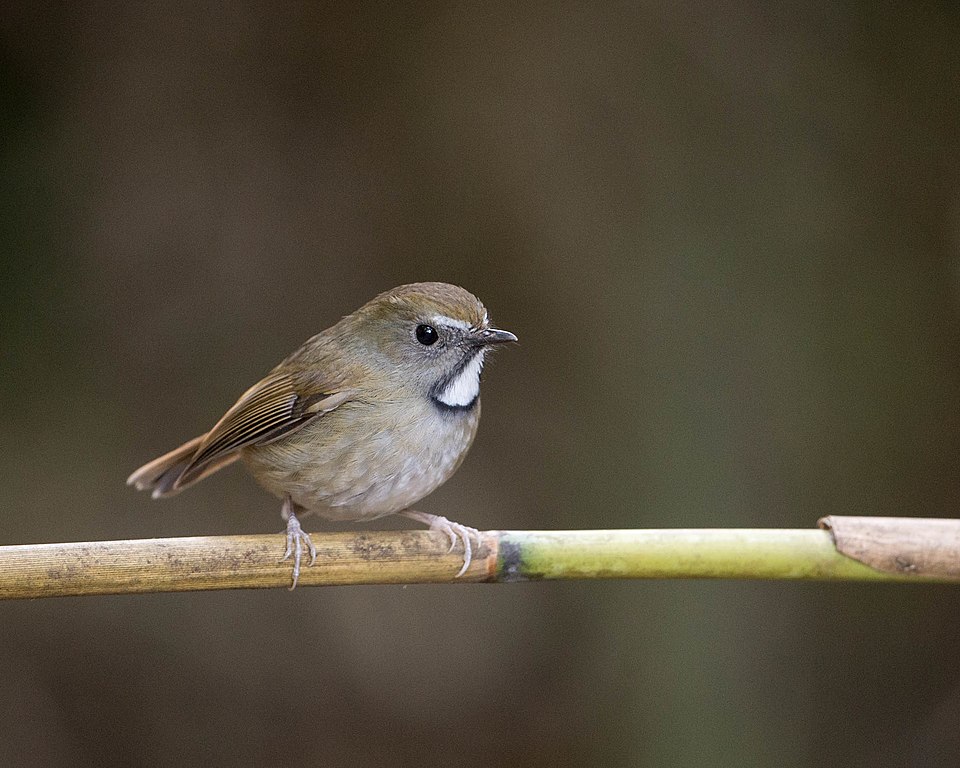
The Timor Blue Flycatcher is a visually striking bird due to its vibrant blue plumage, which makes it relatively easy to identify in its natural habitat. Adult males boast a bright cerulean blue on the upperparts, with a lighter blue or white throat and belly, creating a stark contrast that aids in their identification during field observations. Females and juveniles, on the other hand, exhibit a more subdued coloration, with olive-brown upperparts and paler underparts, though they still retain hints of the blue coloration, particularly on the wings and tail. This sexual dimorphism is typical of many flycatcher species, where males display more vivid colors to attract mates. In flight, the Timor Blue Flycatcher presents a compact silhouette, with rapid wingbeats typical of small passerines. When perched, it adopts an upright posture, often flicking its tail as it surveys for prey. Though similar in appearance to other Cyornis species, the Timor Blue Flycatcher's limited range and distinctive vocalizations help differentiate it from its relatives. Its blue coloration can sometimes lead to confusion with other blue birds in the region, such as the Blue-and-white Flycatcher, but key differences in habitat and range help in accurate identification.
Having trouble telling birds apart? Upload a photo to our bird identification tool for an instant species match.
Timor Blue Flycatcher Habitat and Range
Preferred Habitat
The Timor Blue Flycatcher inhabits subtropical and tropical moist lowland forests, making use of dense understory vegetation and forest edges. These habitats provide the necessary resources for foraging and nesting, offering a rich supply of insects and protection from predators. The bird is typically found at elevations ranging from sea level to about 1,000 meters, although it shows a preference for areas with a complex forest structure. It does not usually venture into urban areas, preferring the cover and resources of its native forest environment. Seasonal shifts in habitat are minimal, as the species is largely sedentary, taking advantage of the consistent food supply available in the lowland forests throughout the year. Despite the pressures of habitat loss due to agricultural expansion and deforestation, the Timor Blue Flycatcher demonstrates a degree of adaptability, often seen in secondary growth forests and areas undergoing natural regeneration.
Geographic Range
The Timor Blue Flycatcher's range is confined to the island of Timor, situated in the Lesser Sunda Islands of Southeast Asia. This localized distribution makes it an endemic species, meaning it is not naturally found anywhere else in the world. Within Timor, the flycatcher occupies a variety of forested environments, but it shows a marked preference for primary and secondary lowland forests. It is not a migratory bird, remaining within its range year-round. Population densities are highest in regions with well-preserved forest habitats, such as the central and eastern parts of Timor. Conservation efforts on the island are crucial for maintaining the habitats that support this unique bird, as any significant habitat degradation could pose a threat to its survival.
Want to know which birds visit your area? Browse our backyard birds by location guides for region-specific species lists.
What Does the Timor Blue Flycatcher Eat?
The Timor Blue Flycatcher primarily feeds on insects, employing a range of foraging techniques to capture its prey. It typically hunts from a perch, executing short sallies to snatch insects mid-air. This method, known as flycatching, is complemented by gleaning, where the bird picks insects off foliage and branches. The diet includes a variety of insects such as beetles, flies, and caterpillars, allowing the flycatcher to exploit different food resources depending on seasonal availability. During the wet season, when insect populations peak, the Timor Blue Flycatcher becomes even more active, taking advantage of the abundance of food. While insects form the core of its diet, the bird may occasionally consume small fruits and berries, particularly when insect availability decreases. This opportunistic feeding behavior helps the flycatcher maintain its energy levels throughout the year.
Timor Blue Flycatcher Behavior and Social Structure
The Timor Blue Flycatcher exhibits a solitary or paired social structure, with individuals or pairs maintaining territories that they defend from intruders. Males establish and defend their territories with vocal displays, using their song to communicate dominance and attract females. Territorial disputes are typically resolved through displays and calls rather than physical confrontations. During the breeding season, courtship displays become more pronounced, with males showcasing their vibrant plumage and vocal abilities to impress potential mates. The species does not usually form flocks, as it relies on stealth and surprise to catch its insect prey. In response to predators, the Timor Blue Flycatcher employs quick, evasive flight and utilizes dense vegetation as cover. Its daily activity pattern involves foraging during daylight hours, with peak activity occurring in the early morning and late afternoon. This pattern aligns with the availability of insects, which are more active during these cooler parts of the day.
Timor Blue Flycatcher Nesting and Reproduction
The Timor Blue Flycatcher constructs its nest in sheltered locations, often choosing a fork in a tree branch or a dense thicket to provide camouflage and protection from predators. The nest is a cup-shaped structure made from a variety of natural materials, including grass, leaves, and rootlets, bound together with spider silk for added strength. A typical clutch consists of 2 to 4 eggs, which the female incubates for about 12 to 15 days. Both parents participate in feeding the nestlings, which fledge approximately 14 to 18 days after hatching. The fledglings remain dependent on their parents for a short period post-fledging, learning essential skills for survival. The Timor Blue Flycatcher typically raises one brood per year, although favorable conditions may occasionally allow for a second.
Timor Blue Flycatcher Sounds and Vocalizations
The Timor Blue Flycatcher's primary song is a series of melodious, flute-like notes that vary in pitch and rhythm. This song, often delivered from a conspicuous perch, serves as both a territorial and courtship signal. In addition to its song, the flycatcher produces a variety of call notes, including sharp, metallic 'tik' sounds used for communication between mates and as an alarm call when a predator is nearby. During the dawn chorus, the male's song plays a prominent role, adding to the acoustic tapestry of the forest. The quality and variety of its vocalizations make the Timor Blue Flycatcher an important component of the avian soundscape in its habitat.
Interesting Facts About the Timor Blue Flycatcher
- 1The Timor Blue Flycatcher is one of only a few bird species endemic to the island of Timor, highlighting its unique ecological niche.
- 2Males of the species can often be seen engaging in elaborate aerial displays, showcasing their agility and acrobatic skills.
- 3Despite its small size, the Timor Blue Flycatcher plays a crucial role in pest control by consuming large quantities of insects.
- 4The bird's distinctive blue coloration is due to the microscopic structure of its feathers, not pigments, which scatter blue light.
- 5The Timor Blue Flycatcher is seldom seen far from the forest interior, underscoring its reliance on dense vegetation for survival.
- 6This flycatcher species exhibits a fascinating range of vocalizations, with some calls mimicking the sounds of other bird species.
- 7Timor Blue Flycatchers are known for their perseverance in defending their nesting territories from much larger bird species.
Timor Blue Flycatcher Conservation Status
The Timor Blue Flycatcher is currently classified as Near Threatened by the IUCN, with a decreasing population trend primarily due to habitat loss. Deforestation for agriculture and logging poses significant threats to its forest habitat. Conservation efforts focus on habitat protection and restoration, as well as raising awareness about the importance of preserving Timor's unique biodiversity. Historically, the flycatcher's population has fluctuated in response to changes in land use, but continued habitat degradation could lead to more severe declines. Efforts to establish protected areas on Timor and promote sustainable land-use practices are crucial for the conservation of this species.
Other Muscicapidae Species


Birds Similar to the Timor Blue Flycatcher
These species are often confused with the Timor Blue Flycatcher due to similar appearance or overlapping range.