
Turdus inquietus
Turdus inquietus
Order: Passeriformes / Family: Turdidae
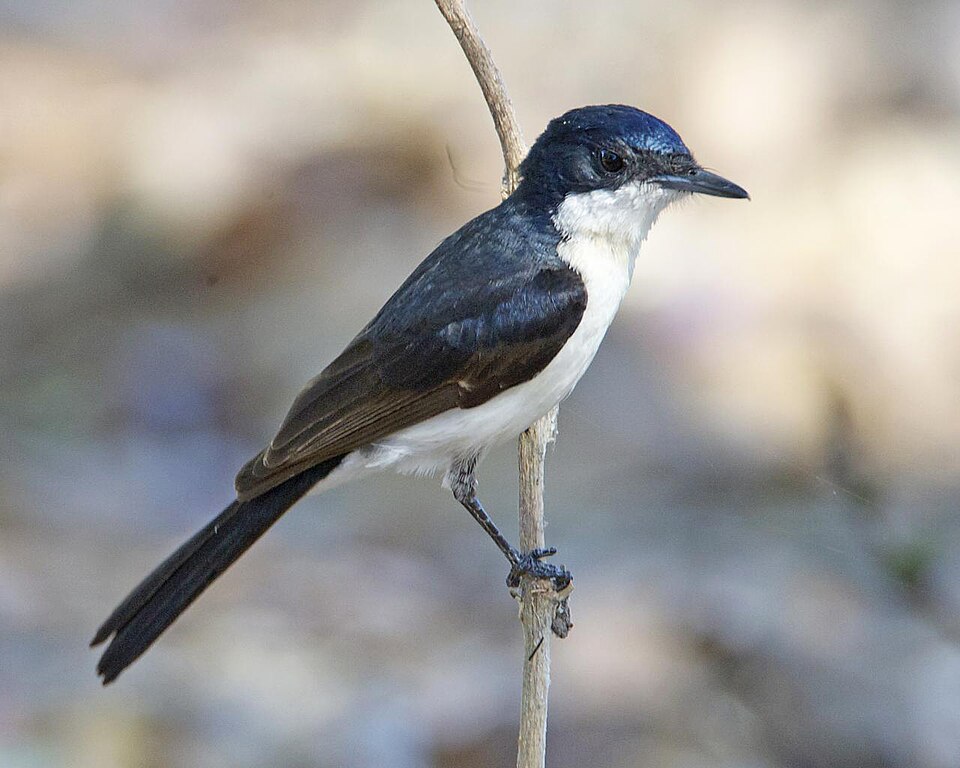
Wikimedia Commons
About the Turdus inquietus
The Turdus inquietus, a member of the Turdidae family, is a medium-sized thrush with a significant presence in the avian community due to its adaptability and distinctive behaviors. Known for its melodious song, this bird plays a vital ecological role as both predator and prey in its environment. Found predominantly across temperate regions, Turdus inquietus is a key species in deciduous and mixed forests. This bird's presence is a critical indicator of habitat quality, as it relies on a rich undergrowth for feeding and nesting. Its feeding habits contribute to seed dispersal, promoting forest regeneration. During the breeding season in spring, Turdus inquietus becomes especially active, with males establishing territories and engaging in vocal displays to attract mates. The bird's ability to thrive in urban, suburban, and rural areas demonstrates its adaptability, although it shows a preference for areas with abundant natural vegetation. Seasonal behaviors of Turdus inquietus include a noticeable migration southward in winter, where it seeks milder climates with ample food supply. Wintering grounds often extend into southern regions where the bird can find berries and insects to sustain itself during colder months. In spring, the return journey sees the Turdus inquietus reclaiming territories, often in the same locations as previous years, showcasing strong site fidelity. This migratory pattern ensures that the bird plays a role in the ecological dynamics of a wide range of environments. The Turdus inquietus is also significant to local ecosystems as a prey species for various predators, including raptors and mammals. Its presence supports the food web, maintaining the balance within its habitat. As a highly adaptive and resilient species, the Turdus inquietus has managed to maintain stable populations despite facing challenges such as habitat fragmentation and climate change.
The Turdus inquietus belongs to the family Turdidae, within the order Passeriformes. These birds typically live average 3-4 years, with a maximum recorded of 9 years..
How to Identify a Turdus inquietus
The Turdus inquietus can be identified by its medium size and distinctive plumage. Adults exhibit a rich brown upper body, with a lighter, buff-colored underside adorned with dark spotting, which aids in camouflage among leaf litter. Juveniles typically have more pronounced spots and a slightly duller overall coloration compared to adults. Males and females appear similar, though males may have slightly brighter plumage during the breeding season. In flight, the Turdus inquietus displays strong, purposeful wingbeats and a slightly undulating flight pattern, typical of many thrushes. Its long tail and broad wings are easily recognizable against the sky. When perched, this bird maintains a horizontal posture, often remaining still and observant, which can make it difficult to spot in dense foliage. Despite its distinct appearance, the Turdus inquietus may sometimes be confused with other thrush species, such as the Song Thrush or the Mistle Thrush. However, its unique combination of size, spotted underside, and vocalizations often set it apart from its relatives.
Having trouble telling birds apart? Upload a photo to our bird identification tool for an instant species match.
Turdus inquietus Habitat and Range
Preferred Habitat
Turdus inquietus thrives in a variety of habitats, predominantly favoring deciduous and mixed forests with dense undergrowth. It also frequents woodland edges, parks, and gardens, where ample food sources are available. This adaptable bird can be found from lowland areas to mid-elevation regions, generally preferring elevations below 2,000 meters. In urban environments, Turdus inquietus makes use of green spaces, adapting well to human presence as long as there is sufficient cover and food. Seasonal habitat shifts occur as the bird migrates to warmer areas in winter, often choosing locations with berry-producing shrubs and minimal snow cover to ensure continued access to food.
Geographic Range
The breeding range of Turdus inquietus extends across temperate zones, including regions of Central and Eastern Europe, through to parts of Asia. During the breeding season, the bird is commonly found in countries such as Germany, Poland, and Russia. As winter approaches, Turdus inquietus migrates southward, occupying wintering grounds in Southern Europe, the Middle East, and parts of North Africa. Migration corridors typically follow major river valleys and forested areas, providing necessary stopover sites. Population density is notably higher in regions with extensive woodland and mixed agricultural landscapes, where the bird can exploit a variety of food sources. The range of Turdus inquietus is broad, reflecting its adaptability and ecological resilience.
Want to know which birds visit your area? Browse our backyard birds by location guides for region-specific species lists.
What Does the Turdus inquietus Eat?
The diet of Turdus inquietus primarily consists of insects, earthworms, and a wide array of berries. During the breeding season, the bird's diet leans heavily towards protein-rich invertebrates, supporting the nutritional needs of growing chicks. As seasons change and temperatures drop, Turdus inquietus shifts its focus to fruits and berries, such as rowan and holly, which provide essential energy reserves for migration and winter survival. Foraging behavior includes ground-gleaning techniques, where the bird uses its keen eyesight to detect and capture prey among leaf litter. Turdus inquietus often feeds in the early morning and late afternoon, taking advantage of cooler temperatures and reduced competition.
Turdus inquietus Behavior and Social Structure
Turdus inquietus exhibits a range of behaviors that enhance its survival and reproductive success. This bird is generally solitary during the breeding season, with males becoming territorial and defending breeding sites through song and display. Courtship involves males performing a series of complex vocalizations and physical displays, including wing-quivering and bill-tilting. Outside of the breeding season, Turdus inquietus may form loose flocks, particularly during migration and in wintering areas. These flocks can consist of mixed species, providing added protection against predators. The bird's daily activity patterns include periods of intense foraging interspersed with rest and preening. In response to predators, Turdus inquietus employs a range of alarm calls and distraction displays, often fleeing to dense cover to evade capture.
Turdus inquietus Nesting and Reproduction
Turdus inquietus constructs cup-shaped nests using a variety of natural materials, including grasses, twigs, and mud, often lined with softer materials like feathers and moss. Nests are typically built in shrubs or trees, at a height of 1 to 4 meters, providing protection from ground predators. The female lays a clutch of 3 to 5 eggs, which she incubates for approximately 12 to 14 days. Both parents participate in feeding the chicks, which fledge about 14 to 16 days after hatching. Turdus inquietus generally raises one to two broods per year, depending on environmental conditions and food availability. Parental care continues for several weeks post-fledging, ensuring the young develop the necessary skills for independent survival.
Turdus inquietus Sounds and Vocalizations
The primary song of Turdus inquietus is a series of melodious phrases, each consisting of short, fluted notes delivered in a repetitive sequence. The song's rhythm is variable, often beginning with a few slow notes that build into a more complex and rapid sequence. Call notes are sharp and metallic, often used to communicate with other thrushes or signal alarm. During the dawn chorus, Turdus inquietus is one of the earliest singers, filling the air with its rich, variable song. The bird's vocalizations are reminiscent of the Song Thrush, yet distinct in pitch and phrasing, allowing experienced birders to differentiate between the two.
Interesting Facts About the Turdus inquietus
- 1Turdus inquietus can travel over 1,000 kilometers during its migratory journey between breeding and wintering grounds.
- 2The bird's melodious song can be heard from over 100 meters away, making it a prominent voice in its habitat.
- 3Turdus inquietus often participates in mixed-species foraging flocks, benefiting from increased vigilance against predators.
- 4During the breeding season, male Turdus inquietus may sing for up to six hours a day to establish territories and attract mates.
- 5The species shows strong site fidelity, often returning to the same nest location year after year.
- 6Turdus inquietus has been recorded using urban green spaces, such as parks and gardens, highlighting its adaptability to human-altered landscapes.
- 7The bird's diet shifts seasonally, with winter feeding on berries helping to disperse seeds and promote plant diversity.
Turdus inquietus Conservation Status
The current IUCN status of Turdus inquietus is listed as Least Concern, with populations generally stable across its range. However, localized declines have been observed due to habitat loss and fragmentation, primarily from agricultural expansion and urban development. Conservation efforts focus on habitat restoration and protection, ensuring the availability of suitable breeding and foraging sites. Historically, the Turdus inquietus population has fluctuated with changes in land use and climate, but its adaptability continues to support its resilience. Ongoing monitoring and conservation initiatives aim to safeguard this species for future generations.


