
Turquoise Flycatcher
Eumyias panayensis
Order: Passeriformes / Family: Muscicapidae

Wikimedia Commons
About the Turquoise Flycatcher
The Turquoise Flycatcher, scientifically known as Eumyias panayensis, is a striking songbird endemic to Southeast Asia. This bird plays a vital ecological role within the lush, tropical forests of the region. Its vibrant plumage and active foraging habits make it a key species for birdwatchers and ornithologists alike. The Turquoise Flycatcher thrives in the montane forests of the Philippines, Indonesia, and Malaysia, where it inhabits elevations ranging from 500 to 2,500 meters. This altitude preference allows it to occupy a niche rich in biodiversity.
The significance of the Turquoise Flycatcher extends beyond its aesthetic appeal. As an insectivore, it helps regulate insect populations, contributing to the health of its ecosystem. During the breeding season, which typically spans from March to August, the Turquoise Flycatcher becomes especially active. Males engage in elaborate displays, showcasing their vivid plumage to attract mates, while females select optimal nesting sites. These behaviors are crucial for maintaining the species' presence in its native habitats.
In terms of ecological role, the Turquoise Flycatcher often acts as an indicator of forest health. Its presence signifies a well-structured canopy and a balanced ecosystem. Seasonal behaviors also play a role in its ecological importance. During the wet season, when insect populations surge, the Turquoise Flycatcher increases its feeding activity, thereby influencing the food web dynamics. Conversely, in the drier months, its foraging patterns shift, showcasing its adaptability and resilience in the face of environmental changes.
The Turquoise Flycatcher belongs to the family Muscicapidae, within the order Passeriformes. These birds typically live average 6 years with a maximum recorded of 10 years..
How to Identify a Turquoise Flycatcher
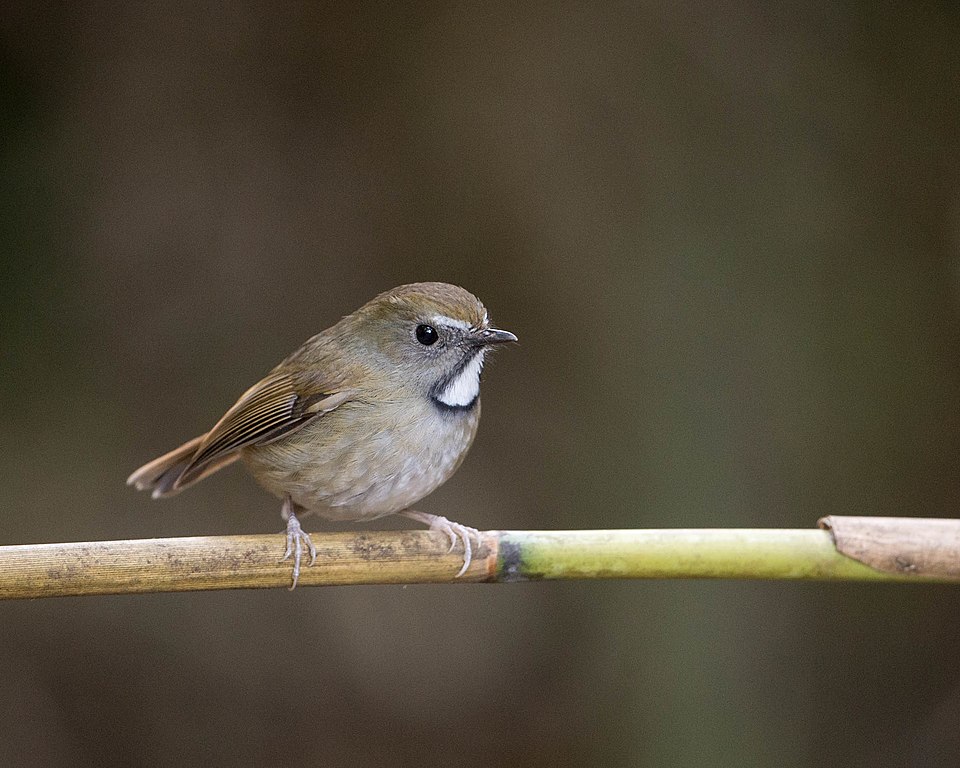
The Turquoise Flycatcher is easily recognizable by its striking turquoise-blue upperparts and a contrasting white belly. The adult male displays a more vibrant blue, which can appear almost iridescent in sunlight, while the female's plumage is slightly duller, with more muted hues on the back and wings. Juveniles show a brownish tinge on the upperparts, gradually acquiring the characteristic blue as they mature.
A notable field mark is the bird's small size, measuring around 15 centimeters in length, with a wingspan of approximately 20 centimeters. In flight, the Turquoise Flycatcher exhibits a distinctive, fluttery flight pattern, often punctuated by short glides. When perching, it maintains an upright posture, flicking its tail intermittently, a behavior common among flycatchers.
Similar species in its range include the Verditer Flycatcher and the Blue-and-white Flycatcher. However, the Turquoise Flycatcher's more vivid blue coloration and unique vocalizations help differentiate it from these relatives. Its flight silhouette is less compact than that of the Blue-and-white Flycatcher, which aids in identification during quick glimpses through the canopy.
Having trouble telling birds apart? Upload a photo to our bird identification tool for an instant species match.
Turquoise Flycatcher Habitat and Range
Preferred Habitat
The Turquoise Flycatcher predominantly inhabits montane and submontane forests, thriving in humid, dense vegetation. It prefers elevations between 500 and 2,500 meters, where the forest canopy provides ample cover and diverse insect life. The bird is commonly found in the Philippines, particularly in the Luzon and Mindanao regions, as well as in the mountainous areas of Borneo and Sumatra.
In terms of seasonal habitat shifts, the Turquoise Flycatcher remains relatively stable, as its montane environment provides consistent resources year-round. However, during breeding seasons, it may venture into slightly lower elevations or forest edges to find suitable nesting sites. While it primarily resides in rural, forested areas, it can occasionally be observed in more disturbed habitats, such as secondary forests and plantation fringes, though such occurrences are less common.
Geographic Range
The Turquoise Flycatcher is primarily found in Southeast Asia, with a breeding range encompassing the Philippines, Indonesia, and parts of Malaysia. In the Philippines, its range includes major islands like Luzon, Mindanao, and Samar, where it occupies montane forest habitats. The bird's presence in Indonesia includes the islands of Sumatra and Borneo, where it favors highland regions.
Unlike many migratory species, the Turquoise Flycatcher exhibits a relatively sedentary lifestyle, with little to no long-distance migration. However, it may undertake altitudinal movements within its habitat range, especially during breeding seasons, as it seeks optimal conditions for raising its young. Population density hotspots are typically found in well-preserved forest reserves and national parks within these regions, where conservation efforts aid in maintaining suitable habitats.
Want to know which birds visit your area? Browse our backyard birds by location guides for region-specific species lists.
What Does the Turquoise Flycatcher Eat?
The diet of the Turquoise Flycatcher primarily consists of insects and other small invertebrates, making it an adept aerial forager. Its primary food sources include various species of beetles, flies, and caterpillars, which it captures mid-flight or gleans from foliage. During the wet season, when insect populations peak, the Turquoise Flycatcher intensifies its foraging activity, often seen darting through the canopy in pursuit of prey.
In addition to insects, the bird may occasionally consume small fruits and berries, especially during periods of lower insect availability. This dietary flexibility allows the Turquoise Flycatcher to adapt to seasonal changes in food resources. The bird typically forages alone or in pairs, although it may join mixed-species feeding flocks, taking advantage of the increased flushing of insects. Its foraging schedule is diurnal, with peak activity occurring during the early morning and late afternoon when insect activity is at its highest.
Turquoise Flycatcher Behavior and Social Structure
The Turquoise Flycatcher exhibits a dynamic social structure, often seen foraging alone or in pairs during the breeding season. Outside of this period, it may join mixed-species flocks, a behavior that increases foraging efficiency and predator vigilance. Territorial behavior becomes pronounced during the breeding months, with males vigorously defending their chosen areas through song and physical displays.
Courtship involves a series of elaborate displays, where males showcase their vibrant plumage and perform aerial acrobatics to attract females. Once paired, the bird's behavior shifts to cooperative nesting, with both sexes participating in nest building and rearing the young.
The Turquoise Flycatcher is primarily active during the day, with peak activity at dawn and dusk. Its response to predators includes alarm calls and evasive flight, often seeking cover in dense foliage. Despite its small size, the bird exhibits remarkable agility and speed, which aids in both predator avoidance and successful prey capture.
Turquoise Flycatcher Nesting and Reproduction
The Turquoise Flycatcher constructs a cup-shaped nest, typically placed in the fork of a tree or hidden within dense vegetation. The nest comprises a variety of materials, including moss, leaves, and fine plant fibers, lined with softer materials like feathers and animal hair. Such construction provides insulation and camouflage, protecting the eggs and chicks from predators and the elements.
Preferred nesting locations are often near streams or in moist, shaded areas that offer both food resources and protection. The clutch size generally ranges from two to four eggs, with an incubation period of approximately 14 to 16 days. Both parents share incubation duties, taking turns warming the eggs while the other forages.
After hatching, the chicks remain in the nest for about 14 to 18 days, during which both parents feed and care for them. The fledging timeline ensures that young birds are adequately developed for survival in the wild. The Turquoise Flycatcher typically raises one to two broods per year, depending on environmental conditions and resource availability.
Turquoise Flycatcher Sounds and Vocalizations
The primary song of the Turquoise Flycatcher is a melodious series of clear, high-pitched whistles, often delivered in rapid succession. These vocalizations serve both to establish territory and attract mates during the breeding season. The pitch and rhythm of the song are distinctive, setting it apart from other forest-dwelling birds.
In addition to its song, the Turquoise Flycatcher produces various call notes, including sharp "chip" sounds used for communication between mates or signaling alarm. During the dawn chorus, its voice contributes to the symphony of morning sounds in its habitat, providing a reliable cue for its presence among the dense foliage. Alarm calls are more abrupt and harsh, designed to alert other birds to potential threats.
Interesting Facts About the Turquoise Flycatcher
- 1The Turquoise Flycatcher can capture insects mid-air with remarkable precision, thanks to its agile flight skills.
- 2During the breeding season, male Turquoise Flycatchers perform acrobatics to impress potential mates.
- 3Despite its vibrant coloration, the Turquoise Flycatcher often blends seamlessly into the forest canopy.
- 4The bird's song plays a crucial role in territory establishment, echoing through the montane forests it inhabits.
- 5On average, the Turquoise Flycatcher weighs around 12-15 grams, making it a lightweight yet effective predator.
- 6This flycatcher is known to participate in mixed-species flocks, benefiting from shared foraging and predator alerts.
- 7The Turquoise Flycatcher's presence often indicates a healthy forest ecosystem, acting as an ecological indicator species.
Turquoise Flycatcher Conservation Status
Currently, the Turquoise Flycatcher holds a status of Least Concern on the IUCN Red List, with stable population trends observed across its range. However, habitat loss due to deforestation and agricultural expansion poses significant threats to its long-term survival. Conservation efforts focus on preserving and restoring montane forest habitats, particularly within protected areas and national parks. Historical population changes have been moderate, with some fluctuations linked to habitat degradation and environmental disturbances. Despite these challenges, the Turquoise Flycatcher's adaptability to secondary forests has buffered some impacts, although its reliance on intact forest ecosystems remains crucial. Continued monitoring and habitat conservation are essential to ensure the species' persistence in the wild.
Other Muscicapidae Species


Birds Similar to the Turquoise Flycatcher
These species are often confused with the Turquoise Flycatcher due to similar appearance or overlapping range.

