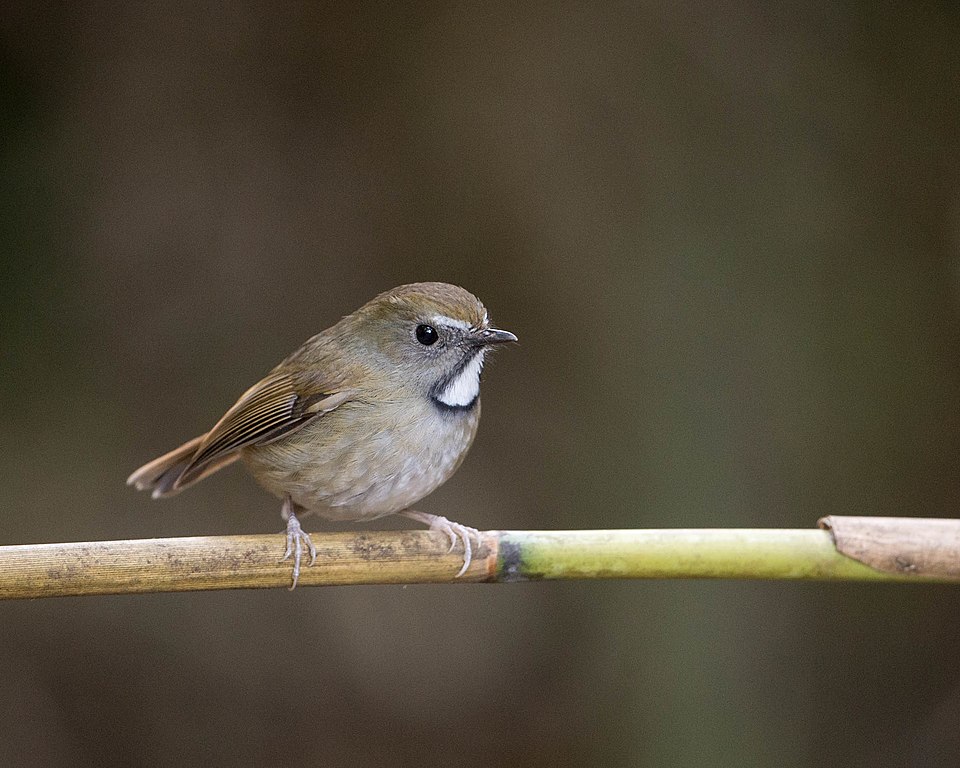
Variable Wheatear
Oenanthe picata
Order: Passeriformes / Family: Muscicapidae

Wikimedia Commons
About the Variable Wheatear
The Variable Wheatear (Oenanthe picata) is a fascinating species notable for its adaptability and striking plumage. Found primarily in South Asia, this bird thrives in a variety of habitats ranging from arid deserts to scrublands and semi-open landscapes. Its presence is especially prevalent in countries such as Pakistan, Afghanistan, and parts of India, where it occupies both rural and semi-urban areas. The Variable Wheatear plays a significant role in its ecosystem as an insectivore, helping to control insect populations. This bird is often observed foraging on the ground, exhibiting a characteristic behavior of perching on low shrubs or rocks to survey its surroundings.
During the breeding season, the Variable Wheatear becomes highly territorial, with males often seen defending their chosen nesting sites. This season typically occurs from March to July, coinciding with the availability of insects, which constitute the main diet during this period. The male wheatear performs elaborate displays to attract a mate, including singing from prominent perches and performing aerial displays. These behaviors highlight the bird's significant role in its habitat, both as a predator of insects and as a participant in complex ecological interactions.
Ecologically, the Variable Wheatear contributes to the health of its environment by serving as both predator and prey. Its presence indicates a healthy insect population, and it also provides food for larger predators. Despite its adaptability, the species faces challenges from habitat loss due to agricultural expansion and urbanization. However, its ability to thrive in a variety of environments has helped it maintain a stable population across its range.
The Variable Wheatear belongs to the family Muscicapidae, within the order Passeriformes. These birds typically live average 5-7 years with limited data on maximum lifespan..
How to Identify a Variable Wheatear
The Variable Wheatear exhibits a striking appearance characterized by strong contrast in its plumage. Adult males typically display a bold black and white pattern, with a glossy black head, back, and tail contrasting sharply with a white rump and underparts. This stark coloration makes it relatively easy to identify among other wheatears. Females and juveniles, however, can appear more subdued, featuring browner tones with less defined contrasts, which can lead to confusion with other wheatear species.
Differences between males and females become less pronounced outside of the breeding season, as males may lose some of their intense coloration. Juveniles are generally browner overall, lacking the clear black and white of the adults, and can be confused with the Pied Wheatear, another species found in overlapping ranges. However, the Variable Wheatear's more robust build and distinctive tail pattern provide clues for accurate identification.
In flight, the Variable Wheatear exhibits a distinctive silhouette with rapid, bounding wingbeats, often followed by brief glides. On the ground, it maintains an upright posture, frequently perching on elevated spots like rocks or small bushes to survey the surroundings. These behaviors, along with vocalizations, aid in distinguishing it from similar species in its habitat.
Having trouble telling birds apart? Upload a photo to our bird identification tool for an instant species match.
Variable Wheatear Habitat and Range
Preferred Habitat
The Variable Wheatear occupies a diverse range of habitats, primarily preferring open and semi-arid regions. It is commonly found in deserts, scrublands, and rocky areas, where it utilizes the sparse vegetation for cover and foraging. In countries like Pakistan and Afghanistan, it often inhabits dry, stony plains and hillsides, taking advantage of the natural cover and abundant insect life.
While predominantly a bird of open landscapes, the Variable Wheatear also adapts to agricultural areas and semi-urban environments. It can be seen in fields, gardens, and along roadsides where it exploits the disturbed ground for feeding opportunities. During the breeding season, it may ascend to moderate elevations, nesting in rocky crevices and on cliff faces, though it generally avoids densely forested areas.
Seasonal shifts in habitat use are minimal, as the Variable Wheatear tends to remain within its established range year-round, moving locally between breeding and non-breeding areas in response to climatic conditions and food availability.
Geographic Range
The Variable Wheatear has a range that spans several countries in South Asia, primarily concentrated in Pakistan, Afghanistan, and parts of northern India. During the breeding season, it is most commonly found in the northern and western regions of Pakistan, extending into eastern Iran and southern Afghanistan. These areas provide the rocky and semi-arid habitats preferred by the species.
In winter, some populations may migrate short distances within this range, moving to slightly lower altitudes or more southern regions as temperatures drop. However, the species is largely resident, with no extensive migratory behavior observed. The wheatear's adaptability to various environments allows it to maintain a stable presence across its range, avoiding the need for long-distance migration.
Population densities can be variable, with higher concentrations observed in regions offering optimal conditions such as plentiful insect prey and suitable nesting sites. Despite its relatively broad range, the species is less common in densely forested or heavily urbanized areas.
Want to know which birds visit your area? Browse our backyard birds by location guides for region-specific species lists.
What Does the Variable Wheatear Eat?
The Variable Wheatear primarily feeds on insects, making it an important predator in its ecosystem. Its diet consists largely of beetles, ants, and other small invertebrates, which it captures by foraging on the ground. The wheatear employs a distinctive hunting technique, often seen hopping about on open ground or from perches on low vegetation, quickly darting to snatch prey.
Seasonal changes influence its diet slightly, as the availability of different insect species fluctuates. During the breeding season, from March to July, the increased abundance of insects supports the nutritional needs of both adults and their young. In the non-breeding season, the wheatear may supplement its diet with small seeds or grains, although insects remain the primary food source.
The wheatear's feeding schedule is largely diurnal, with most activity occurring during the cooler parts of the day, such as early morning and late afternoon. This pattern allows it to avoid the intense midday heat common in its arid habitats, optimizing its foraging efficiency while minimizing energy expenditure.
Variable Wheatear Behavior and Social Structure
The Variable Wheatear displays a range of behaviors that reflect its adaptability and territorial nature. During the breeding season, males become highly territorial, aggressively defending their chosen areas from rivals. This behavior includes vocal displays and physical confrontations, often observed as males chase intruders from their territory.
Courtship involves the male performing elaborate displays to attract a mate, including singing from prominent perches and engaging in aerial flights. These displays are crucial for mate selection and play a significant role in establishing breeding pairs. Once paired, the wheatears maintain a monogamous relationship throughout the breeding season.
Outside the breeding season, the Variable Wheatear is typically solitary or found in small family groups. Unlike some other wheatear species, it does not form large flocks. Its daily activity pattern includes periods of intense foraging interspersed with rest, often during the hottest part of the day when it seeks shade or perches in elevated positions to watch for predators.
The wheatear's response to threats involves a combination of vocal alarms and evasive flight. It demonstrates keen awareness of its surroundings, often returning quickly to foraging once the perceived danger has passed.
Variable Wheatear Nesting and Reproduction
The Variable Wheatear prefers to nest in rocky crevices, cliff faces, or in holes in the ground, taking advantage of these locations for protection against predators and harsh weather conditions. The nest itself is a simple structure, typically composed of dry grass, twigs, and feathers, providing a soft and insulated environment for the eggs.
Clutch size generally ranges from 3 to 5 eggs, with the female primarily responsible for incubation, which lasts about 12 to 14 days. During this period, the male plays a supportive role, providing food for the incubating female and maintaining territory defense.
After hatching, both parents engage in feeding the chicks, which fledge approximately 15 to 18 days post-hatching. The young remain dependent on the parents for a short period after fledging, during which they learn essential survival skills such as foraging and avoiding predators.
The Variable Wheatear may raise one or two broods per year, depending on environmental conditions and food availability. This flexibility in breeding strategy allows them to maximize reproductive success in fluctuating environments.
Variable Wheatear Sounds and Vocalizations
The Variable Wheatear's primary song is a melodious series of whistles and trills, often delivered from a prominent perch. The rhythm is varied, with alternating phrases and pauses that create a distinctive and pleasant pattern. This song serves multiple purposes, including territory establishment and mate attraction during the breeding season.
Call notes consist of sharp, metallic 'chack' sounds, used primarily as contact calls between mates or to signal alarm. These calls are frequently heard during interactions with other birds or when potential threats are detected.
In response to predators, the wheatear emits a rapid series of harsh notes, serving as an alarm to nearby individuals. During the dawn chorus, the Variable Wheatear participates actively, its song contributing to the early morning symphony common among passerines.
Compared to some other wheatear species, Oenanthe picata's vocalizations are considered more varied and complex, reflecting its active social and territorial behaviors.
Interesting Facts About the Variable Wheatear
- 1The Variable Wheatear can adjust its diet based on seasonal insect availability, showcasing its adaptability.
- 2Unlike many migratory species, the Variable Wheatear largely remains within its range year-round, making it a consistent presence in its habitat.
- 3This wheatear's song varies significantly between regions, indicating potential subspecies differentiation.
- 4The species' name, 'Variable,' reflects the diversity in plumage seen across different populations and age groups.
- 5Variable Wheatears often use man-made structures like walls and ruins for perching, showing their adaptability to human presence.
Variable Wheatear Conservation Status
The Variable Wheatear currently holds a status of Least Concern on the IUCN Red List, with a stable population trend across its range. This stability is largely attributed to its adaptability to a variety of habitats, allowing it to thrive even in areas impacted by human activity. However, habitat loss due to agricultural expansion and urban development poses potential threats, particularly in regions where its preferred habitats are being converted. Conservation efforts focus on habitat preservation and monitoring population trends to ensure long-term stability. Historically, the species has shown resilience to environmental changes, maintaining a consistent presence across its range. Continued research and conservation initiatives aim to safeguard its habitat and address emerging threats that could affect its population dynamics in the future.