
White-capped Redstart
Chaimarrornis leucocephalus
Order: Passeriformes / Family: Muscicapidae

Wikimedia Commons
About the White-capped Redstart
The White-capped Redstart, known scientifically as Chaimarrornis leucocephalus, is a visually striking bird belonging to the family Muscicapidae and order Passeriformes. This medium-sized songbird is easily recognized by its vivid coloration and distinctive white crown, which contrasts beautifully with its deep red body and black wings. Native to Asia, the White-capped Redstart thrives in mountainous regions and is frequently observed near fast-flowing streams and rivers, where it deftly maneuvers over rocks and boulders. This species plays a significant role in its ecosystem, primarily as an insectivore, helping to maintain a balance by controlling insect populations. The White-capped Redstart is highly adapted to its environment, often seen flitting along water edges or perched on stones, scanning for insects.
In terms of ecological significance, the White-capped Redstart contributes to the health of its habitat by participating in seed dispersal through its diet and indirectly supporting plant growth. It is an important member of the avian community, engaging in interactions with other bird species and participating in the ecological processes that sustain its environment. This bird is a valuable indicator of ecosystem health, as its presence often signifies clean, well-oxygenated water systems, which are essential for both humans and wildlife.
Seasonally, the White-capped Redstart displays fascinating behaviors related to breeding and migration. During the breeding season, which typically occurs in the spring and summer months, the male becomes particularly vocal and visible as it establishes territories and attracts mates. Outside of the breeding season, the bird may exhibit altitudinal migration, moving to lower elevations during colder months in search of suitable foraging grounds. Its adaptability to seasonal changes underscores its resilience and the dynamic nature of its life cycle.
The White-capped Redstart belongs to the family Muscicapidae, within the order Passeriformes. These birds typically live average 5 years with max recorded 7 years..
How to Identify a White-capped Redstart
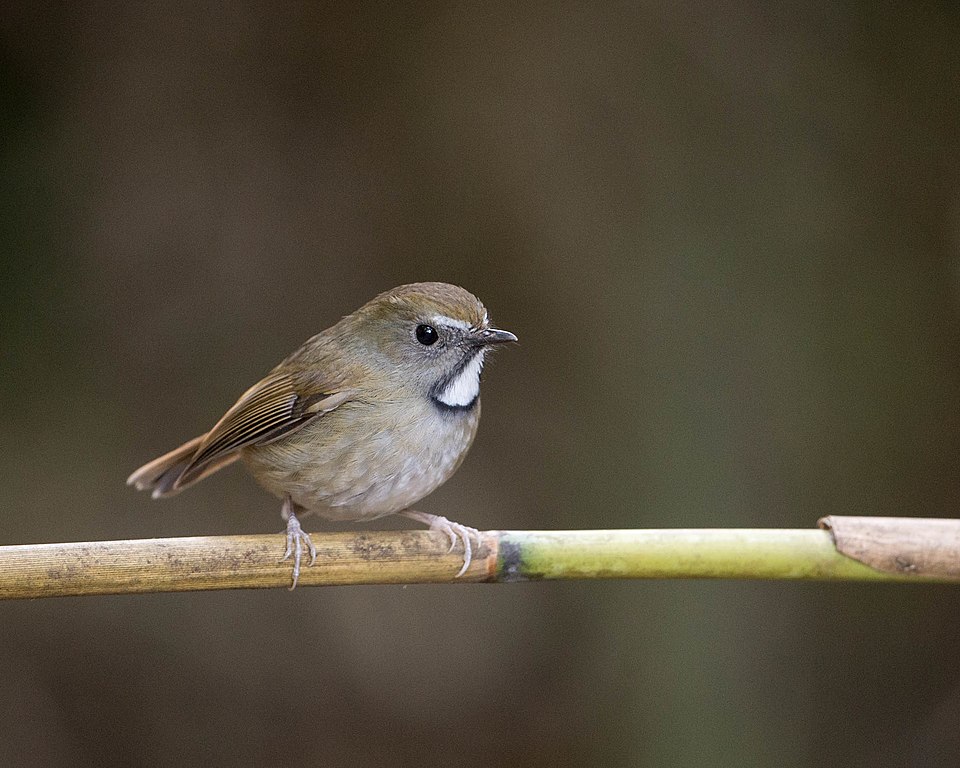
The White-capped Redstart is a medium-sized bird, measuring approximately 18 to 19 cm in length. Adult males and females are similar in appearance, featuring a striking white crown, which gives the bird its common name. The rest of the plumage is predominantly a rich, dark red, with black wings and tail. The tail is often fanned, showing off white patches that are visible in flight. Juveniles, however, differ notably as they possess a more subdued brownish plumage, lacking the pronounced white crown of the adults.
In flight, the White-capped Redstart exhibits a distinctive silhouette, with its relatively short wings and long tail, which is often fanned out to reveal the white patches. This tail display is not only useful for identification but also plays a role in its territorial displays. When perched, the bird often bobs up and down, a behavior typical of the species, making it easier to spot against the backdrop of rocky streams.
There is little sexual dimorphism between the sexes, making it challenging to differentiate males from females in the field. However, during the breeding season, males may appear more vibrant due to hormonal changes. Although there are few species it may be confused with, the White-capped Redstart's unique coloration and habitat preferences generally make it easily identifiable to even casual birdwatchers.
Having trouble telling birds apart? Upload a photo to our bird identification tool for an instant species match.
White-capped Redstart Habitat and Range
Preferred Habitat
The White-capped Redstart predominantly inhabits montane regions, thriving in areas with rocky streams and fast-flowing rivers. These birds are typically found at elevations ranging from 1,500 to 4,000 meters, though they may descend to lower altitudes during colder months. Their preference for riparian habitats is driven by their diet, which consists mainly of aquatic insects and invertebrates found near water.
This species is well-adapted to mountainous environments, often seen flitting among boulders and along watercourses, where they take advantage of the abundant insect life. They are less commonly found in urban areas, as their habitat requirements are closely tied to natural water bodies and rocky landscapes. During the winter, some populations may move to lower elevations or slightly different habitats, seeking milder climates and more reliable food sources.
While the White-capped Redstart is primarily associated with rural, natural environments, it can occasionally be seen near human settlements, especially where these overlap with its preferred habitat. However, human activity and habitat modification can impact their presence in such areas, making conservation of their natural environments crucial.
Geographic Range
The White-capped Redstart is found across a wide range in Asia, from the eastern Himalayas to southern China and northern Southeast Asia. Its breeding range extends from the Indian subcontinent, including Nepal, Bhutan, and northern India, through the mountainous regions of Myanmar and into southwestern China.
During the non-breeding season, the bird may undertake altitudinal migration, moving to lower elevations in search of warmer temperatures and more abundant food sources. While it is primarily resident in its central range, some populations exhibit these seasonal shifts to adapt to varying environmental conditions.
Population density hotspots are found in regions where suitable habitats, such as rocky streams and rivers, are abundant. Areas like the valleys of the Himalayas and certain parts of the Yunnan province in China support healthy populations due to the availability of optimal habitat and food resources. These regions serve as critical habitats for breeding and foraging, ensuring the survival and continuity of the species.
Want to know which birds visit your area? Browse our backyard birds by location guides for region-specific species lists.
What Does the White-capped Redstart Eat?
The diet of the White-capped Redstart is predominantly insectivorous, with a strong preference for aquatic insects and invertebrates. This bird is adept at foraging along streams and rivers, where it captures prey such as mayflies, caddisflies, and stoneflies. It uses a combination of visual acuity and agility to catch insects both in flight and by gleaning them from the water's surface or nearby rocks.
In addition to aquatic insects, the White-capped Redstart may also consume terrestrial insects, spiders, and occasionally small crustaceans. During the breeding season, when the nutritional needs are heightened, the bird's diet may expand to include a broader range of invertebrates to support the growing demands of its offspring.
The bird's foraging technique is characterized by its energetic movements along riverbanks, where it often pauses to scan for prey before darting swiftly to capture it. This active foraging behavior ensures that the White-capped Redstart efficiently exploits its habitat, maintaining its energy levels and supporting its reproductive success. Seasonal variations in diet are primarily influenced by prey availability, with shifts occurring as certain insect populations rise and fall throughout the year.
White-capped Redstart Behavior and Social Structure
The White-capped Redstart exhibits a range of behaviors that are both fascinating and indicative of its adaptive strategies. Socially, this bird is generally solitary or found in pairs, particularly during the breeding season when territorial behaviors are most pronounced. Males are known for their conspicuous displays, which include tail fanning and vocal performances to assert dominance and attract mates.
Territorial defense is a critical aspect of the White-capped Redstart's behavior. Males aggressively defend their chosen stretch of stream or riverbank from intruders, using both vocal and visual displays to ward off competitors. Such behavior ensures access to resources necessary for breeding and rearing young.
Courtship displays involve elaborate singing and tail fanning, where the male showcases its striking plumage to potential mates. These displays are crucial for mate selection, as females assess the fitness and territory quality of prospective partners. Additionally, the bird exhibits a characteristic bobbing motion, often while perched on rocks or low branches, which can serve as both a territorial signal and a part of its courtship routine.
The White-capped Redstart is diurnal, with peak activity periods occurring in the early morning and late afternoon. During these times, the bird engages in foraging and territory maintenance. In response to predators, it relies on its agility and alertness, often taking flight to higher perches at the first sign of danger.
White-capped Redstart Nesting and Reproduction
The nesting habits of the White-capped Redstart are intricately tied to its preferred riparian habitats. This species typically constructs its nests in crevices, under rocks, or in small cavities near water. Such locations provide both concealment from predators and proximity to food sources. The nest itself is a cup-shaped structure made from a variety of materials, including moss, grass stems, and leaves, often lined with finer materials such as feathers or animal hair for insulation.
Clutch size for the White-capped Redstart generally ranges from three to five eggs. These eggs are pale in color, providing some camouflage against the nest lining. The incubation period lasts approximately 12 to 14 days, during which time both parents may share in the task, although the female often takes the primary role.
Once hatched, the chicks remain in the nest for about 12 to 16 days before fledging. During this time, both parents are heavily involved in feeding and caring for the young, ensuring they receive adequate nutrition for growth and development. The number of broods per year can vary, but typically one to two broods are raised, depending on environmental conditions and food availability.
White-capped Redstart Sounds and Vocalizations
The vocalizations of the White-capped Redstart are a key aspect of its behavior, serving functions in both communication and territory defense. The primary song of this bird is a series of melodious, flute-like notes that are clear and resonant. This song is often delivered from a prominent perch, allowing the sound to carry across its territory and attract mates or deter rivals.
In addition to its song, the White-capped Redstart produces a variety of call notes used in different contexts. These calls include sharp, metallic 'tink' sounds that serve as contact calls between mates or as alarms in response to potential threats. During the dawn chorus, the bird's song is particularly prominent, contributing to the avian symphony that marks the early morning hours.
The quality of the White-capped Redstart's song, often compared to the clear, bell-like tones of other songbirds, makes it a favorite among birdwatchers and naturalists alike. Its calls and songs play a crucial role in maintaining social bonds and ensuring the bird's survival in its dynamic habitat.
Interesting Facts About the White-capped Redstart
- 1The White-capped Redstart can often be seen performing acrobatic displays as it hunts insects along the banks of mountain streams.
- 2Unlike many birds, the White-capped Redstart will bob its body up and down while perched, a behavior that makes it easily recognizable.
- 3During courtship, males not only sing but also perform aerial displays, showcasing their agility and strength to potential mates.
- 4The White-capped Redstart's nest locations, often in crevices or under rocks, provide natural protection from many predators.
- 5This species is an important indicator of water quality, as it thrives in clean, fast-flowing rivers and streams.
- 6White-capped Redstarts are known to be quite territorial, often engaging in aggressive displays to defend their chosen stretches of riverbank.
- 7The species has adapted to altitudinal migration, moving between different elevations based on seasonal changes in temperature and food availability.
White-capped Redstart Conservation Status
The White-capped Redstart is currently classified as a species of Least Concern by the IUCN, indicating that it is not at immediate risk of extinction. However, like many species, it faces potential threats from habitat degradation and climate change, which could impact its populations over time. Population trends for the White-capped Redstart appear stable, yet ongoing habitat loss due to deforestation and water pollution presents significant challenges. Conservation efforts focus on preserving the bird's natural habitats, particularly the clean, fast-flowing streams and rivers it relies on for survival. Historically, the White-capped Redstart has maintained healthy populations across its range, aided by its adaptability and wide distribution. Continued conservation measures, including habitat protection and monitoring of water quality, are essential to ensure the long-term viability of this striking and ecologically important species.
Other Muscicapidae Species


Birds Similar to the White-capped Redstart
These species are often confused with the White-capped Redstart due to similar appearance or overlapping range.
