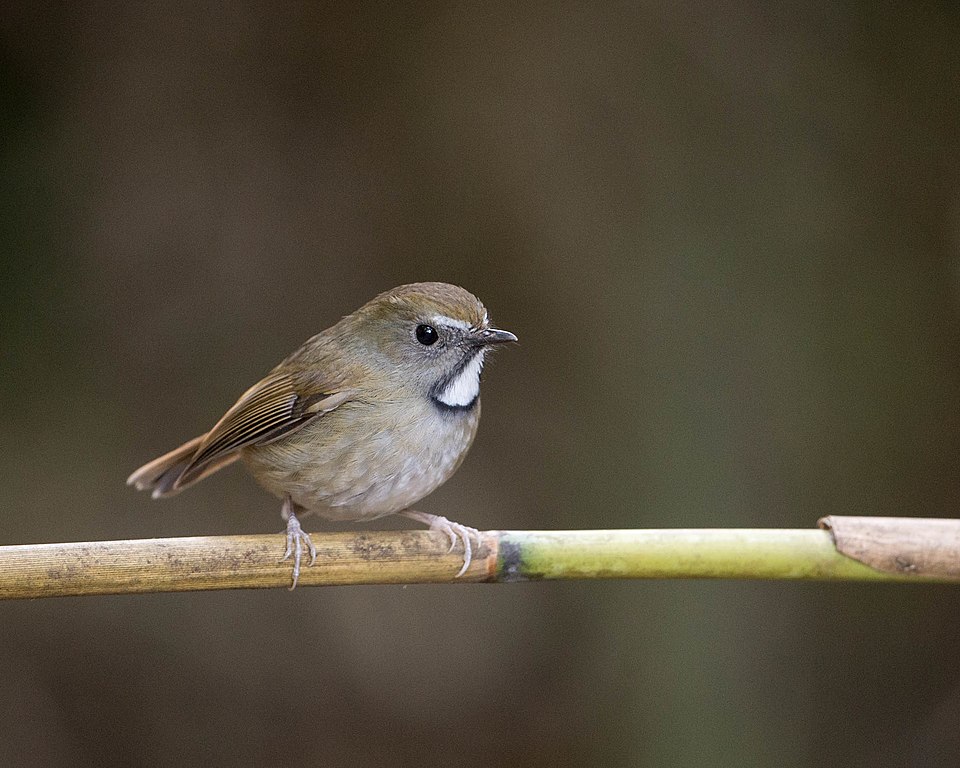
White-tailed Stonechat
Saxicola leucurus
Order: Passeriformes / Family: Muscicapidae

Wikimedia Commons
About the White-tailed Stonechat
The White-tailed Stonechat, Saxicola leucurus, is a captivating small passerine bird belonging to the family Muscicapidae. Renowned for its distinctive white tail feathers, this species inhabits a variety of open landscapes, predominantly in South Asia. It holds ecological significance as both a predator and prey within its ecosystem, contributing to insect population control while serving as a food source for larger predators. The bird's role in the ecosystem extends to its influence on the pollination and seed dispersal of certain plant species, as it moves through its habitat. Found predominantly in countries such as India, Bangladesh, Nepal, and Myanmar, the White-tailed Stonechat thrives in grasslands, marshes, and areas with scattered shrubs, often near water bodies. The habitat selection underscores the bird's adaptability to wetland and grassland ecosystems, which are crucial for its feeding and breeding activities. Seasonal behaviors of the White-tailed Stonechat are particularly notable. During breeding season, which spans from March to July, males become highly territorial, often engaging in elaborate displays to attract females and deter rivals. These displays include fluttering flights and vocal performances that highlight their vibrant plumage and vocal prowess. Outside the breeding season, the bird is less conspicuous, exhibiting a more subdued behavior as it focuses on foraging and maintaining energy reserves. The White-tailed Stonechat's preference for open habitats makes it an important indicator species for the health of grassland and wetland environments. Its presence or absence can signal changes in habitat quality, such as the effects of agricultural expansion and habitat degradation. Conservation efforts aimed at preserving these habitats are essential for maintaining stable populations of the White-tailed Stonechat and ensuring the continued health of the ecosystems it inhabits.
The White-tailed Stonechat belongs to the family Muscicapidae, within the order Passeriformes. These birds typically live average 2-5 years with a max recorded of 7 years.
How to Identify a White-tailed Stonechat
The adult White-tailed Stonechat is a small bird, measuring approximately 13 centimeters in length. It is most easily recognized by its stark white tail, which contrasts sharply with its otherwise dark upperparts and chestnut underparts. Males in breeding plumage display a prominent black head, throat, and upper chest, which can give the appearance of a bold mask. In contrast, females and non-breeding males have a more muted appearance, with brownish tones replacing the stark blacks, and a less defined head pattern. Juveniles resemble females but often exhibit even duller coloration, aiding their camouflage. The flight silhouette of the White-tailed Stonechat is characterized by short, rounded wings and a rapid, undulating flight pattern. When perched, it often adopts an upright stance, showcasing its tail and chestnut flanks. This posture, combined with its frequent tail flicking, aids in identification. While the White-tailed Stonechat's plumage is quite distinctive, it can be confused with similar species such as the Pied Bushchat or the Siberian Stonechat. However, the white tail feathers and the specific combination of chestnut and black in males help to differentiate it from these relatives.
Having trouble telling birds apart? Upload a photo to our bird identification tool for an instant species match.
White-tailed Stonechat Habitat and Range
Preferred Habitat
The White-tailed Stonechat primarily inhabits open landscapes, particularly favoring grasslands and marshy environments. It is commonly associated with regions that feature scattered shrubs and proximity to water bodies like rivers, lakes, and wetlands. These habitats provide ample opportunities for foraging and nesting. The bird is found at elevations ranging from sea level to about 1,500 meters, demonstrating its adaptability to a variety of altitudinal zones. During the breeding season, the White-tailed Stonechat selects territories with dense herbaceous cover that supports nest concealment and provides a rich supply of insects. In contrast, during non-breeding months, it might be observed in more varied habitat types, including agricultural fields and fallow lands, as it seeks food and shelter. Urban presence is minimal, as the species prefers rural and semi-natural settings over built-up areas.
Geographic Range
The White-tailed Stonechat has a range that spans several countries in South Asia, with its presence firmly established in India, Bangladesh, Nepal, and Myanmar. It is primarily a resident bird, with little evidence of long-distance migration. However, it may exhibit some local movements in response to seasonal changes in habitat conditions, such as monsoon flooding in its wetland habitats. The bird's breeding range is concentrated in the northern and northeastern parts of the Indian subcontinent, where suitable grassland and wetland habitats are prevalent. In terms of population density, significant concentrations are found in the Terai region of Nepal and the Brahmaputra floodplains in India. These areas, characterized by extensive grasslands and marshes, offer ideal conditions for breeding and foraging. While not a migratory species in the traditional sense, the White-tailed Stonechat may undertake short-distance dispersal in search of optimal wintering sites, often within its already established range.
Want to know which birds visit your area? Browse our backyard birds by location guides for region-specific species lists.
What Does the White-tailed Stonechat Eat?
The White-tailed Stonechat primarily feeds on insects and other small invertebrates, making it an insectivorous species. Its diet includes beetles, grasshoppers, caterpillars, and spiders, which it actively hunts in its grassland and marshland habitats. Foraging typically occurs during the early morning and late afternoon when insect activity is at its peak, and the bird can often be seen hopping on the ground or making short flights to catch prey. Seasonal dietary shifts occur as the bird takes advantage of the abundance of different insect species at various times of the year. During the breeding season, the bird's diet may include a higher proportion of protein-rich insects to support the energetic demands of raising young. In contrast, during the non-breeding season, its diet may expand slightly to incorporate small seeds and fruits, particularly when insect availability is reduced. The White-tailed Stonechat employs a variety of foraging techniques, including gleaning insects from vegetation, sallying flights to catch airborne prey, and occasionally probing the ground for hidden invertebrates.
White-tailed Stonechat Behavior and Social Structure
The White-tailed Stonechat exhibits a range of behaviors that reflect its adaptation to open, grassy habitats. Socially, this species tends to be solitary or found in pairs, particularly during the breeding season when territoriality is pronounced. Males establish and defend territories through vocalizations and displays, often perching conspicuously to sing and ward off intruders. Courtship behavior involves unique displays, with males performing fluttering flights and presenting food items to females as part of mate attraction. Outside the breeding season, the White-tailed Stonechat may form small, loose flocks, particularly when foraging. These gatherings are usually temporary, as the bird retains a largely solitary nature. It displays alertness and agility in response to predators, often relying on its excellent vision to spot threats and employing rapid, low flight to evade danger. Daily activity patterns of the White-tailed Stonechat include active foraging during cooler parts of the day, interspersed with rest periods during midday heat. This pattern allows it to maximize energy intake while minimizing exposure to predators and harsh weather conditions.
White-tailed Stonechat Nesting and Reproduction
The White-tailed Stonechat constructs a cup-shaped nest, typically using grass, twigs, and other plant materials. Nest placement is often low to the ground, well-concealed within dense grass or shrubbery, providing protection from predators and harsh weather. The breeding season, primarily from March to July, sees the female laying a clutch of 3 to 5 eggs. Eggs are pale with speckled markings, blending well with the nest surroundings. The incubation period lasts approximately 11 to 14 days, and during this time, the female assumes the primary responsibility for keeping the eggs warm, while the male provides food and guards the territory. After hatching, both parents engage in feeding the chicks, which fledge after about 13 to 15 days. The fledglings remain dependent on their parents for several weeks post-fledging, gradually learning to forage and becoming more independent. The White-tailed Stonechat generally raises one or two broods per year, depending on environmental conditions and food availability.
White-tailed Stonechat Sounds and Vocalizations
The vocalizations of the White-tailed Stonechat are distinctive, playing a crucial role in territory establishment and mate attraction. Its primary song consists of a series of clear, repetitive whistles and chatters, often delivered from a prominent perch. The song's rhythm is lively, with a mix of pitches that can carry over long distances in open habitats. In addition to the primary song, the White-tailed Stonechat produces a range of call notes, including a sharp 'tchick' sound used as an alarm call. These calls alert other birds to potential predators and are particularly frequent during the breeding season when the bird is more territorial. During the early morning, the bird participates in a dawn chorus, contributing its voice to the ambient soundscape of its habitat. This behavior underscores its role as a songbird and highlights the importance of vocal communication in its social structure.
Interesting Facts About the White-tailed Stonechat
- 1The White-tailed Stonechat is one of the few stonechat species with a conspicuous white tail, making it easily recognizable.
- 2Despite its small size, the White-tailed Stonechat can be fiercely territorial, especially during the breeding season.
- 3The species' scientific name, Saxicola leucurus, derives from Latin, meaning 'rock-dweller' with a 'white tail'.
- 4White-tailed Stonechats are adept at using a variety of calls to communicate, each serving a specific purpose.
- 5These birds play a role in controlling insect populations, benefiting agricultural areas by naturally reducing pests.
- 6White-tailed Stonechats have been observed using large stones as vantage points to spot prey, demonstrating strategic foraging.
- 7Their preference for open habitats makes them an important indicator species for grassland ecosystem health.
White-tailed Stonechat Conservation Status
The White-tailed Stonechat is currently categorized as 'Least Concern' by the IUCN, with populations considered stable in much of its range. However, ongoing threats, such as habitat loss due to agricultural expansion and wetland drainage, pose challenges to long-term conservation. Historical population trends indicate fluctuations linked to habitat quality, with areas experiencing degradation seeing declines in local populations. Conservation efforts focus on protecting and restoring grassland and wetland habitats, crucial for the bird's survival. Initiatives include establishing protected areas, promoting sustainable land-use practices, and raising awareness about the ecological value of these ecosystems. Continued monitoring of population trends and habitat conditions is essential to ensure the White-tailed Stonechat remains a thriving component of its native environments.