
White-throated Robin
Irania gutturalis
Order: Passeriformes / Family: Muscicapidae

Wikimedia Commons
About the White-throated Robin
The White-throated Robin, or Irania gutturalis, is a captivating bird species belonging to the Muscicapidae family. This medium-sized songbird is renowned for its striking plumage and distinctive vocalizations. Found primarily in the Middle East, the White-throated Robin thrives in the arid and semi-arid regions of Iran, Turkey, and parts of the Caucasus. Its presence in these regions highlights its adaptability to a range of ecological niches. In its breeding habitats, the White-throated Robin plays a crucial role as both a predator and prey. It helps control insect populations while serving as a food source for larger predators. As a migratory species, the White-throated Robin undertakes long journeys, wintering in East Africa. This migration underscores its ecological significance as it connects disparate ecosystems across continents. The bird's seasonal movements also influence its behavior and diet, as it adapts to the varying resources available in its breeding and wintering grounds. During the breeding season, which typically occurs from April to July, the White-throated Robin is known for its elaborate courtship displays and vocalizations. Males sing from prominent perches to attract mates and establish territories. Once paired, both the male and female engage in constructing nests in dense shrubs or thickets, often utilizing materials such as twigs, grass, and feathers. The White-throated Robin's ecological role extends beyond its immediate environment, as its migratory patterns contribute to seed dispersal and pollination across continents. This bird is a testament to the intricate web of interactions that sustain ecosystems. As climate change and habitat loss threaten many bird species, the White-throated Robin's adaptability and resilience offer insights into the challenges faced by migratory birds in a rapidly changing world.
The White-throated Robin belongs to the family Muscicapidae, within the order Passeriformes. These birds typically live average 4 years, with the longest recorded at 7 years..
How to Identify a White-throated Robin
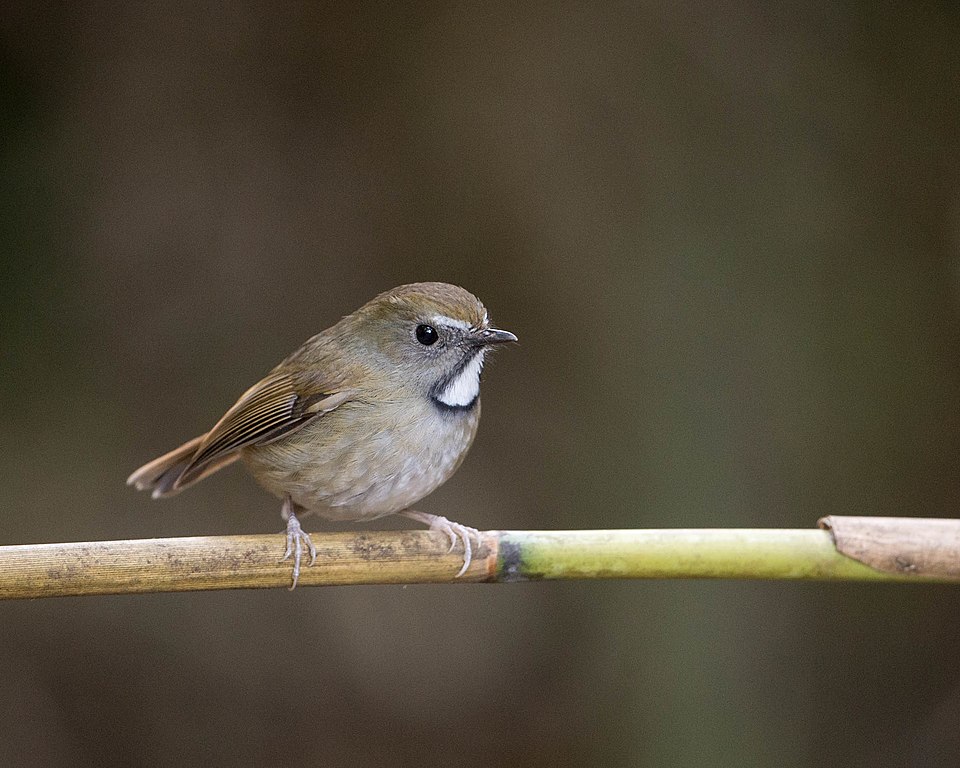
The White-throated Robin is easily identified by its distinctive plumage. Adult males exhibit a slate-blue crown and upperparts, with a contrasting white throat and orange-rust underparts. These striking colors make them stand out in their natural habitat. Females and juveniles, however, are less conspicuous, displaying more muted brownish-gray plumage, which provides effective camouflage. One of the key field marks is the bird's white throat, which remains consistent across sexes and ages, although it is more pronounced in males. Observers may notice the bird's relatively long tail, which it often flicks while perching or foraging. In flight, the White-throated Robin's silhouette shows a broad, rounded wing shape that aids in its agile maneuvers. While similar in size to other members of the Muscicapidae family, the White-throated Robin can be distinguished by its unique color pattern and the absence of the prominent eye ring found in some related species. When perching, the bird typically adopts an alert posture, often with its head held high, scanning its surroundings for insects.
Having trouble telling birds apart? Upload a photo to our bird identification tool for an instant species match.
White-throated Robin Habitat and Range
Preferred Habitat
The White-throated Robin occupies a variety of habitats, ranging from open woodlands and scrublands to semi-desert regions. It thrives in areas with dense undergrowth where it can forage and nest with relative safety. The bird is commonly found at elevations of up to 2,500 meters, particularly in mountainous regions of its breeding range. Seasonal habitat shifts occur as the White-throated Robin moves from its breeding grounds in the Middle East to its wintering sites in East Africa. During migration, it may also be observed in more open areas, such as agricultural fields and gardens, where it takes advantage of abundant food resources. In urban settings, the White-throated Robin is less commonly found but may appear in parks or large gardens with suitable vegetation.
Geographic Range
The breeding range of the White-throated Robin encompasses parts of the Middle East, including Iran, Turkey, and the Caucasus. During the winter months, the bird migrates to East Africa, with significant populations found in Ethiopia, Eritrea, and Somalia. Migration corridors are typically concentrated along the eastern edge of the Mediterranean, facilitating the bird's transit between continents. Within its breeding range, population densities are highest in regions with suitable scrubland and thicket habitats. The bird's migratory nature means that it can also be observed in various countries along its route, albeit in smaller numbers. The White-throated Robin's presence in these diverse regions highlights its adaptability and resilience in the face of environmental challenges.
Want to know which birds visit your area? Browse our backyard birds by location guides for region-specific species lists.
What Does the White-throated Robin Eat?
The White-throated Robin primarily consumes insects, making it an important insectivore within its ecosystem. Its diet includes beetles, caterpillars, and various arthropods, which it captures using a variety of foraging techniques. The bird often employs a 'sit-and-wait' strategy, perching quietly before pouncing on unsuspecting prey. During the breeding season, the diet may expand to include berries and fruits, providing essential nutrients for growing chicks. The White-throated Robin's foraging activity peaks during the early morning and late afternoon, coinciding with the periods of highest insect activity. In its wintering grounds, the bird's diet remains largely insectivorous, although it may adjust to local availability, occasionally feeding on seeds or plant material when insects are scarce.
White-throated Robin Behavior and Social Structure
The White-throated Robin exhibits a range of interesting behaviors, particularly during the breeding season. Males become highly territorial, using song and physical displays to defend their territory from rivals. These displays often include wing-flicking and tail-spreading, designed to intimidate intruders. Courtship involves elaborate singing, with males perching conspicuously to attract females. Once paired, White-throated Robins show strong monogamous pair bonds, with both sexes contributing to nest building and chick rearing. Outside the breeding season, the birds may form loose flocks, particularly during migration, enhancing their safety in numbers. The White-throated Robin maintains a vigilant demeanor, reacting to potential threats with alarm calls and evasive flight. Its daily activity patterns are largely diurnal, with periods of rest during the heat of the day.
White-throated Robin Nesting and Reproduction
White-throated Robins construct their nests in dense vegetation, preferring shrubs or low trees that provide cover and protection. The nest is a cup-shaped structure, built with twigs, grass, and lined with softer materials such as feathers. Typically, the female lays 3-5 eggs, which she incubates for about 12-14 days. During this period, the male assists by providing food and maintaining vigilance. Once hatched, the chicks remain in the nest for approximately 12-16 days before fledging. Both parents are actively involved in feeding and caring for the young, ensuring a high survival rate. The White-throated Robin may produce one to two broods per breeding season, contingent upon environmental conditions and food availability.
White-throated Robin Sounds and Vocalizations
The White-throated Robin's song is a melodious, flute-like series of notes, often delivered from a high perch. This song is characterized by its clear, repetitive sequences that vary in pitch and rhythm. The bird also produces sharp, metallic call notes used to communicate distress or alarm. During the dawn chorus, the White-throated Robin's song stands out for its richness and clarity, serving as both a territorial marker and a mating call. The alarm call of the White-throated Robin resembles a sharp 'chak,' similar to that of other thrushes, and is used to alert conspecifics of potential danger.
Interesting Facts About the White-throated Robin
- 1The White-throated Robin is renowned for its long-distance migratory patterns, traveling over 3,000 kilometers between its breeding and wintering grounds.
- 2Despite its name, the White-throated Robin is not a true robin but belongs to the Muscicapidae family, which includes Old World flycatchers.
- 3The bird's melodious song can be heard up to 100 meters away, making it a prominent feature of its breeding territory.
- 4Unlike many birds, the White-throated Robin is known to sing at dawn and dusk, taking advantage of the calm and quiet times.
- 5White-throated Robins have been observed using human-made structures, such as fences and garden trellises, as perching spots during migration.
- 6The species exhibits a rare trait among songbirds: both males and females sing, although the male's song is more elaborate.
- 7In some regions, the White-throated Robin's arrival is considered a herald of spring, marking the seasonal transition.
White-throated Robin Conservation Status
The IUCN currently lists the White-throated Robin as a species of Least Concern, with stable population trends. Although the bird faces threats from habitat destruction and climate change, its adaptability to various environments has aided its resilience. Conservation efforts focus on preserving critical habitats and migration corridors. Historical records indicate stable populations, with no significant declines observed in recent decades. Ongoing monitoring and habitat protection remain essential to ensure the continued survival of this species.
Other Muscicapidae Species


Birds Similar to the White-throated Robin
These species are often confused with the White-throated Robin due to similar appearance or overlapping range.

