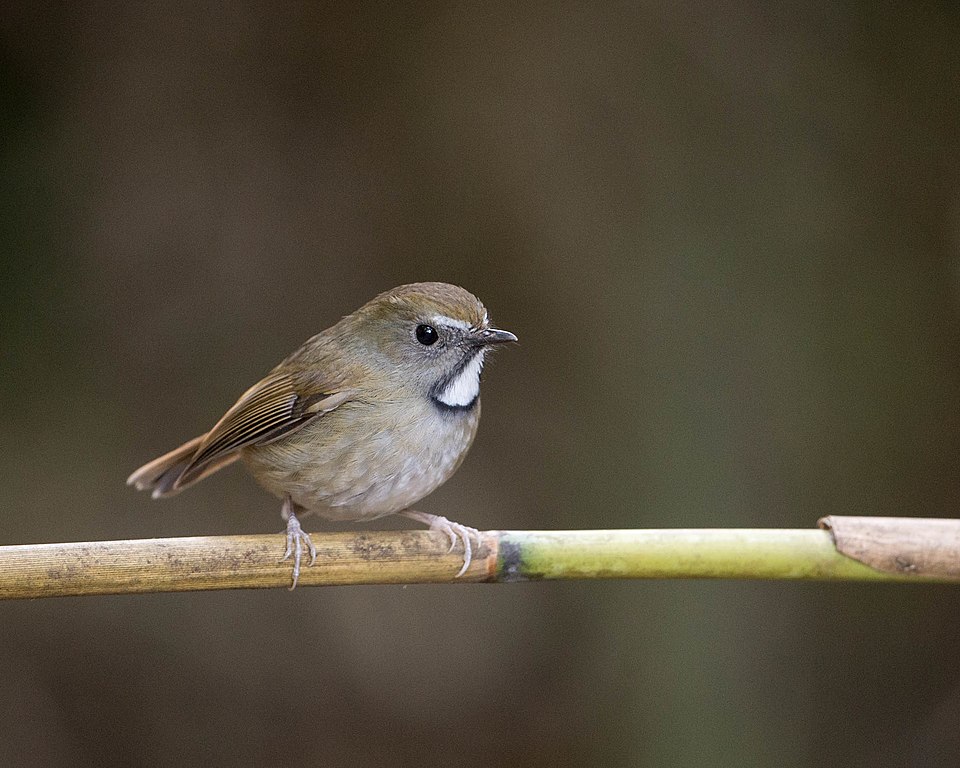
White-throated Rock-Thrush
Monticola gularis
Order: Passeriformes / Family: Muscicapidae

Wikimedia Commons
About the White-throated Rock-Thrush
The White-throated Rock-Thrush (Monticola gularis) is a captivating species within the family Muscicapidae, renowned among bird enthusiasts for its visually stunning plumage and melodious song. This medium-sized passerine bird inhabits a variety of forested environments across Asia, displaying a preference for deciduous and mixed woodlands. During the breeding season, the White-throated Rock-Thrush predominantly occupies regions in northeastern China and eastern Russia, where it finds the dense canopy and abundant insect life conducive to rearing its young. However, as temperatures drop, these birds undertake a remarkable migratory journey to the warmer climates of Southeast Asia, including countries such as Thailand, Vietnam, and Malaysia, where they occupy similar habitats, although sometimes venturing into more open areas and gardens when food becomes scarce.
The significance of the White-throated Rock-Thrush extends beyond its aesthetic appeal. It plays a crucial ecological role as both a predator and prey species within its habitat. Its diet, consisting primarily of insects and small invertebrates, helps control insect populations and maintain ecological balance. The bird also contributes to seed dispersal and pollination through the consumption of fruits and berries, a vital process for plant regeneration. Moreover, the presence of the White-throated Rock-Thrush often indicates a healthy forest ecosystem, as it requires a robust habitat to thrive.
This species exhibits fascinating seasonal behaviors, including a well-documented migratory pattern which underscores its adaptability and resilience. In their breeding range, White-throated Rock-Thrushes are known for their elaborate courtship displays, which involve the males showcasing their vibrant plumage and engaging in intricate flight patterns to attract mates. These displays are not only a testament to the bird's physical prowess but also play a critical role in the selection of strong genetic traits for offspring. During migration, they travel in small, loosely organized flocks, often stopping at rest sites along the way to refuel, using these locations as temporary stopovers to ensure their survival across vast distances.
The White-throated Rock-Thrush belongs to the family Muscicapidae, within the order Passeriformes. These birds typically live average 5-7 years with a maximum recorded of 10 years..
How to Identify a White-throated Rock-Thrush
The White-throated Rock-Thrush is an unmistakable bird, primarily due to its vivid coloration and distinct markings. Adult males are particularly striking, boasting a brilliant blue head, back, and wings contrasted with a rich, orange breast and underparts. The characteristic white throat, from which the bird derives its name, provides a sharp contrast to the deep blue and orange hues. In comparison, females exhibit more subdued tones, with a predominantly brown plumage interspersed with lighter streaking, yet still maintain the distinctive white throat.
Juvenile White-throated Rock-Thrushes resemble females more closely, displaying similar brown and streaked plumage, though their markings can appear more diffuse. As they mature, males gradually acquire their vibrant adult plumage, typically completing this transformation by their second year. This gradual change in plumage is critical for researchers and birdwatchers attempting to age individuals in the field.
In flight, the White-throated Rock-Thrush demonstrates a compact silhouette, with its short tail and rounded wings contributing to its agile and direct flight style. When perched, the bird often adopts an upright posture, frequently flicking its tail-a behavior that can be a useful identification clue when visibility is limited. Though there are other rock-thrush species, such as the Blue Rock-Thrush, that may cause confusion, the White-throated Rock-Thrush's vivid coloration and distinctive throat patch are key differentiators.
Having trouble telling birds apart? Upload a photo to our bird identification tool for an instant species match.
White-throated Rock-Thrush Habitat and Range
Preferred Habitat
The White-throated Rock-Thrush favors a range of forested habitats, with a particular affinity for deciduous and mixed woodlands. These environments provide abundant food resources and suitable nesting sites. During the breeding season, they inhabit areas at elevations ranging from 500 to 2,500 meters, often preferring the cooler, sheltered regions of northeastern China and eastern Russia. Here, dense canopies offer protection from predators and harsh weather conditions.
In winter, as they migrate to Southeast Asia, White-throated Rock-Thrushes adapt to a variety of habitats, including lower elevation forests, plantations, and occasionally gardens and parks, illustrating their ability to thrive in more urbanized settings. This adaptability is crucial for their survival during migratory periods, when food resources can become unpredictable. Despite their adaptability, these birds primarily remain within forested areas, relying on the cover and resources these environments offer.
Geographic Range
The White-throated Rock-Thrush's range is primarily concentrated in Asia, encompassing both breeding and wintering territories. During the breeding season, they are found in northeastern China, including the provinces of Jilin and Heilongjiang, as well as parts of eastern Russia. These regions provide the necessary habitat conditions for nesting and rearing young, with dense forests and a rich supply of insects.
As winter approaches, the White-throated Rock-Thrush undertakes a significant migration to Southeast Asia. This journey sees them traveling through countries such as Thailand, Vietnam, Malaysia, and occasionally reaching into Myanmar and Laos. Migration corridors often include stopovers in southern China, where they can rest and refuel. Within these wintering grounds, their distribution is more scattered, as they occupy a range of forest habitats and even venture into disturbed areas and plantations.
Population density tends to be higher in breeding areas compared to wintering sites, where individuals are more dispersed across a broader geographic range. This seasonal movement highlights the bird's remarkable adaptation to different environments and its reliance on a wide range of habitats to complete its life cycle.
Want to know which birds visit your area? Browse our backyard birds by location guides for region-specific species lists.
What Does the White-throated Rock-Thrush Eat?
The diet of the White-throated Rock-Thrush is predominantly insectivorous, with a strong preference for various insects and small invertebrates. During the breeding season, the abundance of caterpillars, beetles, and ants forms the mainstay of their diet. These prey items provide the necessary protein and nutrients required for energy-intensive activities such as nesting and rearing young. The bird's foraging technique primarily involves gleaning from foliage and branches, where it meticulously searches for hidden insects.
As the seasons shift and they migrate to their wintering grounds, White-throated Rock-Thrushes diversify their diet to include more fruits and berries, taking advantage of the resources available in the different habitats they occupy. This dietary flexibility is crucial for their survival during periods when insect availability may be limited. They are known to consume the fruits of various plant species, contributing to seed dispersal and thus playing a role in forest regeneration.
Prey size typically ranges from small caterpillars to larger beetles, reflecting their ability to handle a variety of food items. Feeding primarily occurs during daylight hours, with peak activity in the early morning and late afternoon, aligning with the periods of highest insect activity. This strategic feeding schedule maximizes their intake during times when prey is most accessible and visible.
White-throated Rock-Thrush Behavior and Social Structure
White-throated Rock-Thrushes exhibit a range of fascinating behaviors that underscore their adaptability and ecological significance. Socially, they tend to be solitary or found in pairs, especially during the breeding season, when males establish and defend territories with vigor. Territorial behavior includes singing from prominent perches, a tactic used to both attract mates and deter rivals.
Courtship displays are a highlight of their behavioral repertoire. Males perform elaborate displays involving song and flight, showcasing their vibrant plumage to potential mates. These displays are not only integral to successful mating but also serve as a mechanism for females to select males based on their physical condition and genetic quality.
During migration, White-throated Rock-Thrushes often travel in small, loosely organized groups, though they maintain a degree of independence within these flocks. Their response to predators involves a combination of vocal alarms and evasive flight; they rely on their agility and knowledge of their territory to avoid danger. Daily activity patterns are largely diurnal, with periods of rest interspersed with foraging and social interactions. This diurnal rhythm aligns with the availability of food resources and the need to avoid nocturnal predators.
White-throated Rock-Thrush Nesting and Reproduction
The nesting habits of the White-throated Rock-Thrush are both strategic and resourceful. Nest construction typically occurs in natural cavities or crevices, often located in tree trunks or cliff faces. These locations provide protection from predators and harsh weather conditions. The nests themselves are crafted from a variety of materials, including twigs, leaves, and moss, creating a sturdy structure to support the developing young.
Clutch size for the White-throated Rock-Thrush generally ranges from 3 to 5 eggs, with the female assuming the primary role in incubation. The incubation period lasts approximately 14 days, during which the male provides food for the female, ensuring she remains on the nest as much as possible. Upon hatching, both parents partake in feeding the chicks, supplying a steady diet of insects to promote rapid growth.
Fledging occurs around 14 to 16 days post-hatching, with the young remaining dependent on their parents for several weeks thereafter. Typically, the species raises one brood per year, although in optimal conditions, a second brood may be attempted. Parental investment is substantial, with both adults actively participating in the care and protection of their offspring until they are capable of fending for themselves.
White-throated Rock-Thrush Sounds and Vocalizations
The White-throated Rock-Thrush is renowned for its melodious and complex song, which plays a crucial role in both territorial defense and courtship. The primary song consists of a series of clear, fluting notes delivered in a rhythmic sequence, often described as a musical whistle. These notes vary in pitch and tone, creating a rich auditory experience that echoes through their forested habitats.
In addition to their song, White-throated Rock-Thrushes produce a variety of call notes, including soft chirps and harsher alarm calls. These vocalizations serve as communication tools, alerting others to potential threats or signaling distress. During the early morning hours, their song is most prominent, contributing to the dawn chorus-a symphony of bird calls that heralds the start of a new day.
The alarm call of the White-throated Rock-Thrush is a sharp, repetitive note that echoes through the forest, serving as a warning to other birds in the vicinity. This vocal alarm is especially important during the breeding season when the protection of nests and young is paramount.
Interesting Facts About the White-throated Rock-Thrush
- 1The White-throated Rock-Thrush can migrate over 1,500 kilometers between its breeding and wintering grounds.
- 2Male White-throated Rock-Thrushes are known to mimic the calls of other bird species, adding complexity to their song.
- 3During migration, this species can travel in mixed flocks with other thrushes, enhancing safety in numbers.
- 4The vibrant blue and orange plumage of the male White-throated Rock-Thrush is a result of structural coloration, not pigments.
- 5White-throated Rock-Thrushes have a unique habit of flicking their tails while foraging, a behavior not commonly seen in other thrush species.
- 6This species can adapt to fragmented forests, demonstrating resilience in the face of habitat changes.
- 7The White-throated Rock-Thrush's song can carry up to 500 meters in dense forests, aiding in long-distance communication.
White-throated Rock-Thrush Conservation Status
According to the IUCN Red List, the White-throated Rock-Thrush is currently listed as a species of Least Concern, indicating a relatively stable global population. However, localized declines have been observed, primarily due to habitat loss and degradation. Deforestation and land conversion for agriculture pose significant threats to their breeding and wintering habitats, necessitating ongoing monitoring and conservation efforts. Conservation initiatives include habitat preservation and restoration projects, particularly in key breeding areas in northeastern China and eastern Russia. Protecting these critical regions ensures the maintenance of viable populations and supports the species' long-term survival. Historically, the population of the White-throated Rock-Thrush has experienced fluctuations, largely influenced by environmental changes and human activities. Continued efforts to mitigate habitat destruction and promote sustainable land-use practices are essential to safeguarding this striking bird for future generations.