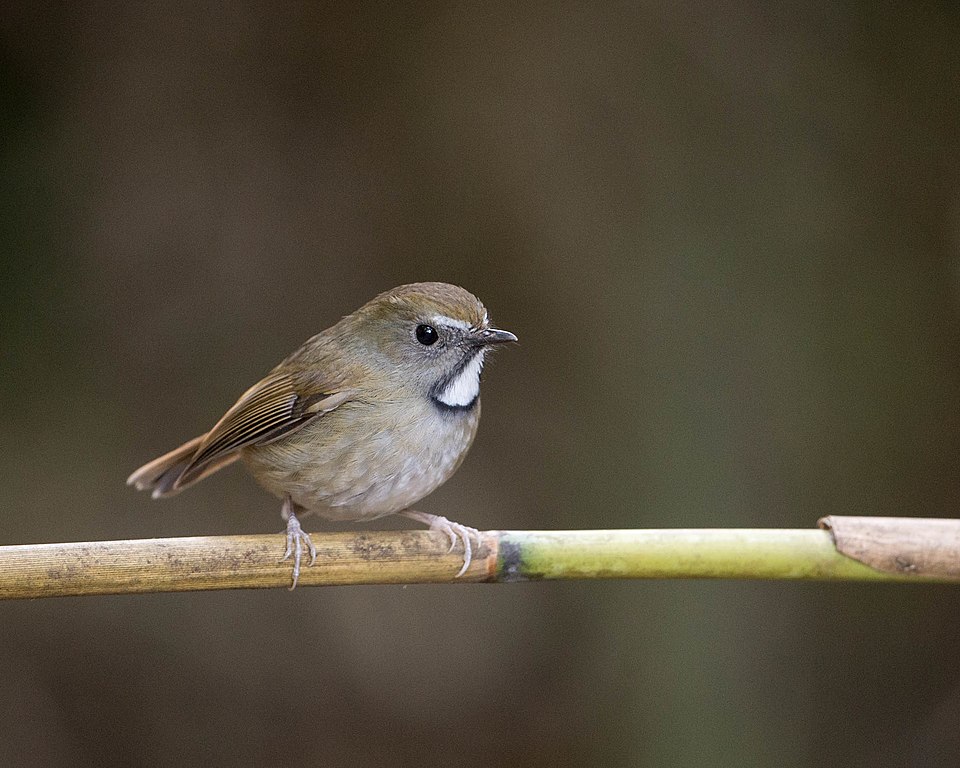
White-winged Cliff Chat
Monticola semirufus
Order: Passeriformes / Family: Muscicapidae

Wikimedia Commons
About the White-winged Cliff Chat
The White-winged Cliff Chat, scientifically designated as Monticola semirufus, inhabits a unique ecological niche in the mountainous regions of eastern Africa. This medium-sized songbird plays a critical role in its ecosystem, primarily by controlling insect populations and serving as a prey species for larger birds of prey. The White-winged Cliff Chat is most commonly found in countries such as Ethiopia, Eritrea, and northern Kenya, thriving in rocky outcrops and cliff faces where it can effectively hunt and nest. During the breeding season, which typically spans from May to September, these birds are particularly active, showcasing their territorial calls and vibrant plumage to attract mates. Their presence in these areas indicates a healthy, functioning ecosystem, as they rely on specific environmental conditions and a stable food supply. In addition to their ecological role, White-winged Cliff Chats also hold cultural significance in some regions, where they are admired for their melodious songs and striking appearance. Throughout the year, these birds adjust their behaviors slightly to accommodate the changing seasons. During the wetter months, they capitalize on the abundance of insects and other invertebrates, which form a crucial part of their diet. In more arid periods, their foraging may extend to include a broader range of prey types, showcasing their adaptability to fluctuating environmental conditions. The White-winged Cliff Chat exemplifies the intricate relationships within its habitat, highlighting the interconnectedness of species and the importance of conserving such unique avian communities.
The White-winged Cliff Chat belongs to the family Muscicapidae, within the order Passeriformes. These birds typically live average lifespan is around 5-7 years..
How to Identify a White-winged Cliff Chat
The adult White-winged Cliff Chat exhibits a striking appearance with distinct field marks that make identification relatively straightforward. Males display a vivid black plumage with prominent white wing patches, which are particularly visible during flight. The contrast between the black body and white wings serves as a key identification feature. Females and juveniles, while less striking, possess a more subdued coloration, with females showing a mix of brown and gray tones, and juveniles exhibiting a mottled pattern that gradually transitions to adult plumage. One must take care when differentiating this species from similar birds, such as the White-crowned Cliff Chat, which can also be found in overlapping regions. However, the White-winged Cliff Chat's distinct wing markings and darker overall plumage help set it apart. In flight, this bird presents a characteristic silhouette with broad wings and a slightly rounded tail, optimizing maneuverability in its rocky habitat. When perched, it often adopts an upright posture, which aids in spotting potential prey or rivals. Observers will note the bird's tendency to flick its wings and tail, behaviors that may assist in communication or territorial displays.
Having trouble telling birds apart? Upload a photo to our bird identification tool for an instant species match.
White-winged Cliff Chat Habitat and Range
Preferred Habitat
White-winged Cliff Chats primarily inhabit rocky escarpments, cliffs, and steep hillsides, where they find both protection and a vantage point for hunting. These habitats are typically located at elevations ranging from 1,500 to 3,200 meters, providing a cooler climate and diverse insect populations that the birds rely on for sustenance. While predominantly found in rural settings, these chats occasionally venture into peri-urban areas, particularly those adjacent to their preferred rocky environments. Seasonal habitat shifts are minimal, as the bird's physical adaptations suit it well to its mountainous home. However, they may migrate between various altitudes within their range, depending on food availability and climatic conditions. Despite their preference for rugged landscapes, White-winged Cliff Chats demonstrate some flexibility in habitat choice, occasionally adapting to disturbed environments if essential resources are present.
Geographic Range
The White-winged Cliff Chat's range is largely confined to northeastern Africa, with a concentration in Ethiopia, where it is a common resident. Its distribution extends into Eritrea and northern parts of Kenya, typically favoring highland regions that offer the rocky habitats essential for its survival. The species does not undertake long-distance migrations, instead exhibiting local movements dictated by seasonal variations in food availability and weather conditions. Although widespread within its range, the bird's preference for specific habitats results in uneven population densities. Areas such as the Ethiopian Highlands are considered population hotspots due to the abundance of suitable environments. This bird's presence is a reliable indicator of the health of these ecosystems, as it relies on an intricate balance of conditions to thrive.
Want to know which birds visit your area? Browse our backyard birds by location guides for region-specific species lists.
What Does the White-winged Cliff Chat Eat?
The diet of the White-winged Cliff Chat primarily consists of insects and other small invertebrates, which it skillfully captures among the rocky crevices of its habitat. During the wet season, these birds benefit from an increase in insect populations, allowing them to feed extensively on beetles, ants, and caterpillars. In drier periods, they display remarkable adaptability by expanding their diet to include a wider array of prey, such as small reptiles and occasional berries. Their foraging technique involves agile movements and precise maneuvers, often involving short flights from perch to ground or rock face where they seize their prey. These birds are generally diurnal foragers, most active during the early morning and late afternoon when temperatures are cooler and insects are more mobile. The White-winged Cliff Chat's role as a predator of insects helps maintain ecological balance, controlling pest populations and contributing to the overall health of its environment.
White-winged Cliff Chat Behavior and Social Structure
Socially, the White-winged Cliff Chat exhibits a primarily solitary or paired lifestyle, especially during the breeding season when territoriality becomes pronounced. Males engage in vocal displays and physical posturing to assert territory boundaries and attract mates. Courtship includes a variety of aerial displays, where the male showcases his plumage and agility. Once paired, both sexes participate in territory defense, often engaging in vocal confrontations with intruders. Outside of the breeding season, these birds may form small, loose flocks, particularly around abundant food sources. Their response to predators involves a combination of alarm calls and evasive flight, often retreating to dense cover or inaccessible rocky areas. Daily activity patterns are dictated by the availability of food and the need for vigilance against predators, with peaks in activity during early morning and late afternoon. Despite their solitary nature, White-winged Cliff Chats exhibit a complex set of behaviors that ensure their survival in the demanding environments they call home.
White-winged Cliff Chat Nesting and Reproduction
The White-winged Cliff Chat constructs its nest in crevices or ledges on rocky cliffs, utilizing materials such as grass, twigs, and moss to create a secure structure. The choice of nesting site is influenced by the need for protection from predators and environmental elements. A typical clutch consists of 2 to 3 eggs, which are incubated primarily by the female for approximately 14 to 16 days. During this period, the male provides food to the incubating female, ensuring her sustenance while she tends to the eggs. Once hatched, the chicks are altricial, requiring constant care and feeding by both parents. The fledging period lasts about 14 to 18 days, after which young birds remain dependent on parental support for some time as they learn essential survival skills. The species typically raises one or two broods per year, depending on environmental conditions and food availability. The nesting habits of the White-winged Cliff Chat underscore their adaptability and resourcefulness, key traits for thriving in their rugged habitats.
White-winged Cliff Chat Sounds and Vocalizations
The White-winged Cliff Chat's song is a melodious, varied sequence of whistles and trills, often delivered from a prominent perch. The rhythm is generally steady, with a clear pitch that can carry across the rocky landscapes they inhabit. These vocalizations serve multiple purposes, including mate attraction and territory defense. In addition to their primary song, these birds produce a variety of calls, such as sharp 'tzeet' notes used in alarm situations or to communicate with mates and fledglings. The dawn chorus often features the White-winged Cliff Chat prominently, as males establish their presence through vigorous singing. Their vocal repertoire, while not as extensive as some other songbirds, is nonetheless distinctive and an integral part of their behavioral ecology.
Interesting Facts About the White-winged Cliff Chat
- 1The White-winged Cliff Chat can thrive at elevations of up to 3,200 meters, showcasing remarkable adaptability.
- 2Both male and female White-winged Cliff Chats participate actively in defending their territory from intruders.
- 3This bird's distinctive white wing patches are particularly visible during its agile, acrobatic flight displays.
- 4Despite its striking appearance, the White-winged Cliff Chat can be elusive, often blending in with rocky surroundings.
- 5The White-winged Cliff Chat's diet shifts with the seasons, demonstrating flexibility in foraging strategies.
- 6During courtship, males perform elaborate displays, including wing flicks and vocalizations, to attract mates.
- 7The species' preference for rocky habitats helps protect it from many ground-based predators.
White-winged Cliff Chat Conservation Status
Currently, the IUCN classifies the White-winged Cliff Chat as Least Concern, with population trends considered stable. However, habitat degradation poses a potential threat, particularly as agricultural expansion and urban development encroach on their traditional habitats. Conservation efforts focus on habitat protection and maintaining the natural ecosystems that support these birds. Historical population data indicate that while certain local populations may fluctuate, the species as a whole has maintained a relatively stable presence across its range. Continued monitoring and conservation initiatives are essential to ensure the ongoing survival of this species, which serves as an important indicator of environmental health in its native regions.