
Zino's Petrel
Pterodroma madeira
Order: Procellariiformes / Family: Procellariidae
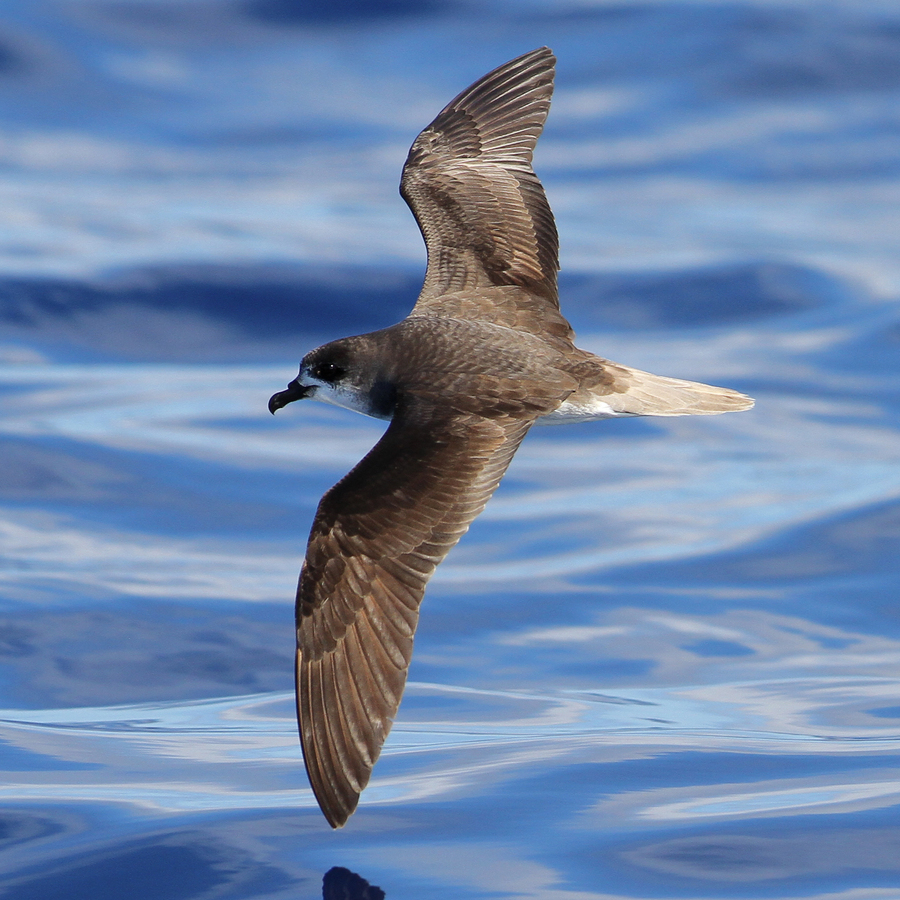
Wikimedia Commons
About the Zino's Petrel
Zino's Petrel, or Pterodroma madeira, is one of the rarest seabirds in the world. This elusive petrel nests exclusively on the island of Madeira, Portugal, specifically within the central mountainous regions such as the Pico do Arieiro. It plays a crucial role in the ecosystem by contributing to the nutrient cycle, particularly through the deposition of guano, which fertilizes the island's vegetation. Historically, Zino's Petrel was widespread, but its range has dramatically reduced due to human activity and introduced predators. The bird's significance extends beyond its ecological contributions; it also symbolizes the unique biodiversity of Madeira and highlights the challenges of conservation in island ecosystems. Seasonal behaviors mark its life cycle, with breeding occurring in the spring and summer months. During this period, adults return from the open ocean to their breeding grounds, navigating vast distances across the Atlantic. In the non-breeding season, which spans from late summer to early spring, Zino's Petrel remains pelagic, traveling extensively in search of food. This seasonal migration underscores the bird's adaptability and resilience, as it must navigate changing oceanic conditions and food availability. Conservation efforts have become a focal point in recent years, given the petrel's precarious status. Steps have been taken to restore and protect its natural habitat, primarily by controlling predator populations such as rats and cats, which threaten both eggs and chicks. Additionally, habitat restoration projects aim to preserve the native vegetation that supports the petrel's nesting sites. These combined efforts illustrate the broader significance of Zino's Petrel as both a symbol of Madeira's natural heritage and a focal species in global seabird conservation.
The Zino's Petrel belongs to the family Procellariidae, within the order Procellariiformes. These birds typically live average 15-20 years, with a maximum recorded of 23 years..
How to Identify a Zino's Petrel
Zino's Petrel is a medium-sized seabird with a wingspan of approximately 86 cm, characterized by its long, slender wings and distinctive flight pattern. Adults display a striking contrast between their dark gray upperparts and pale underparts, with a subtle M-shaped pattern visible across the upper wings when in flight. This pattern can aid in identification when observing the bird at sea. Juveniles closely resemble adults but may have slightly duller plumage. There is no significant sexual dimorphism, meaning males and females are similar in appearance. One potential source of confusion is the Fea's Petrel, which shares a similar range and appearance. However, Zino's Petrel is generally smaller with a more delicate bill and less pronounced wing markings. The flight silhouette of Zino's Petrel is distinctive, featuring rapid, shallow wingbeats interspersed with gliding. When perched, the bird maintains an upright posture, often on rocky outcrops within its mountainous habitat. Observers should note the bird's vocalizations, which are most often heard at night during the breeding season, as they can provide a key identification clue.
Having trouble telling birds apart? Upload a photo to our bird identification tool for an instant species match.
Zino's Petrel Habitat and Range
Preferred Habitat
Zino's Petrel inhabits the rugged mountain regions of central Madeira, particularly favoring high-altitude areas above 1,600 meters. These regions are characterized by steep, rocky cliffs and sparse vegetation, which provide ideal nesting sites sheltered from predators. During the breeding season, the petrel relies on these inaccessible mountainous habitats to avoid human disturbance and introduced predators. In contrast, during the non-breeding season, Zino's Petrel inhabits open ocean environments, demonstrating a dramatic habitat shift between terrestrial and pelagic zones. The bird's reliance on remote, mountainous habitats underscores its vulnerability to habitat destruction and climate change, which can alter the delicate balance of these ecosystems.
Geographic Range
Zino's Petrel has an extremely restricted breeding range, confined to the central mountain regions of Madeira, Portugal. Specifically, it breeds in the laurel forest and rocky slopes of the Pico do Arieiro, within the Madeira Natural Park. Outside the breeding season, the bird spends its time at sea, predominantly in the North Atlantic Ocean. Its pelagic range extends as far as the Azores and occasionally to the Canary Islands, although these sightings are rare. The limited breeding range and specific habitat requirements make the species particularly susceptible to environmental changes and human impacts, necessitating targeted conservation efforts to ensure its survival.
Want to know which birds visit your area? Browse our backyard birds by location guides for region-specific species lists.
What Does the Zino's Petrel Eat?
Zino's Petrel primarily feeds on small fish and squid, which it captures near the ocean surface. During the breeding season, its diet may shift slightly to include crustaceans, adjusting to the available prey around Madeira. The petrel employs a unique foraging technique known as 'surface seizing,' where it skims the water's surface to snatch prey in its bill. Prey size typically ranges from small fish of about 5 to 15 cm to squid of similar dimensions. Zino's Petrel often forages at night, capitalizing on the vertical migration of prey species to the ocean surface. This nocturnal feeding strategy helps avoid competition with other seabird species and reduces predation risk.
Zino's Petrel Behavior and Social Structure
Zino's Petrel exhibits solitary and monogamous behavior, forming lifelong pairs that return to the same nesting sites annually. During the breeding season, pairs engage in nocturnal courtship displays characterized by synchronized flight and vocalizations. These displays strengthen pair bonds and facilitate mate recognition. The petrel is highly territorial around its nesting site, aggressively deterring intruders through vocalizations and aerial displays. Outside the breeding season, Zino's Petrel is primarily solitary, with individuals covering vast distances across the open ocean. The bird's daily activity pattern includes periods of intense foraging, often at night, interspersed with resting on the water's surface. When threatened by predators such as gulls or invasive mammals, Zino's Petrel relies on evasive flight and the inaccessibility of its nesting sites as primary defense mechanisms.
Zino's Petrel Nesting and Reproduction
Zino's Petrel nests in burrows dug into the volcanic soil of Madeira's high-altitude regions. These burrows, which may extend up to 1 meter in length, provide protection from predators and harsh weather. Nesting occurs between late March and early October, with the female laying a single white egg. Both parents participate in incubation, which lasts approximately 51 to 54 days. After hatching, chicks remain in the burrow for up to 90 days, receiving regurgitated food from both parents. Parental roles are shared equally, with partners alternating between foraging at sea and nest attendance. Zino's Petrel typically raises one brood per year, reflecting the energy-intensive nature of its breeding cycle and the limited resources available in its mountainous habitat.
Zino's Petrel Sounds and Vocalizations
Zino's Petrel is known for its distinctive vocalizations, particularly during the breeding season. Its primary call consists of a series of mournful, drawn-out notes that rise and fall in pitch, creating an eerie soundscape across the rugged terrain of Madeira. These calls, often described as 'kew-kew' or 'caw-caw,' serve as both courtship signals and territorial markers. The bird's alarm calls are sharper and more abrupt, used to deter predators and intruders. During the dawn chorus, Zino's Petrel's vocalizations contribute to the cacophony of sounds that define its breeding colonies, resembling the haunting calls of other petrel species but with a unique cadence.
Interesting Facts About the Zino's Petrel
- 1Zino's Petrel was rediscovered in 1969, after being presumed extinct for decades.
- 2The species is named after Paul Alexander Zino, a British ornithologist who dedicated his life to its study.
- 3Zino's Petrel can travel thousands of kilometers during its non-breeding season, showcasing remarkable endurance.
- 4The petrel's call has been described as ghostly, adding to its mystique among bird enthusiasts.
- 5Its breeding grounds are located within a UNESCO World Heritage Site, highlighting its global importance.
- 6Zino's Petrel chicks face a high mortality rate due to predation, underscoring the need for conservation.
- 7Efforts to protect Zino's Petrel have led to the removal of invasive species from its breeding areas.
Zino's Petrel Conservation Status
Zino's Petrel is classified as Critically Endangered by the IUCN, with a population of less than 200 breeding pairs. Its numbers have been declining due to habitat loss, predation by introduced species, and climate change. Conservation efforts focus on habitat protection, predator control, and monitoring programs to track population changes. Historical population declines were primarily due to human exploitation and introduced predators, but recent efforts have shown signs of stabilization. The ongoing challenge remains to secure and expand its breeding habitat, ensuring the survival of this unique seabird.


