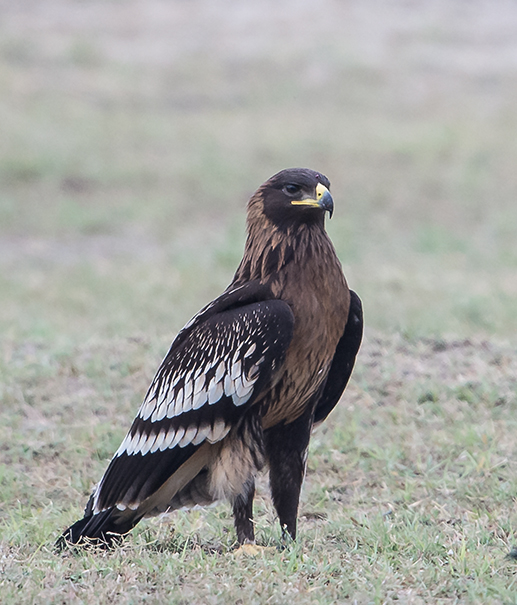
Fucosa Eagle
Aquila fucosa
Order: Accipitriformes / Family: Accipitridae

Wikimedia Commons
About the Fucosa Eagle
The Fucosa Eagle, scientifically known as Aquila fucosa, is a majestic raptor belonging to the family Accipitridae. This eagle is primarily found in the mountainous regions of southern Europe and North Africa, where it plays a significant ecological role as a top predator. The Fucosa Eagle is known for its impressive wingspan, which can reach up to 2.2 meters, and its dark brown plumage that provides excellent camouflage among the rocky crags and dense forests of its habitat. This eagle is vital for controlling populations of small mammals and birds, thereby maintaining a balanced ecosystem.
Fucosa Eagles are typically found in regions such as the Pyrenees, the Atlas Mountains, and the Balkan Peninsula. These areas offer the rugged terrain and dense wooded areas that the species prefers. The Fucosa Eagle is an apex predator, meaning it has few natural enemies and plays a critical role in its ecosystem by regulating the populations of its prey, which includes rabbits, hares, and various bird species. This regulation prevents overpopulation and ensures the health of the vegetation these prey species consume.
Seasonal behaviors of the Fucosa Eagle include migration during colder months, especially for populations located in the northern parts of its range. As temperatures drop and prey becomes less abundant, some Fucosa Eagles move to lower elevations or slightly more temperate regions. Despite this seasonal movement, many Fucosa Eagles remain resident year-round, particularly in areas where prey availability is consistent. Their adaptability to different environments, including semi-desert areas in North Africa, underlines their ecological versatility. The Fucosa Eagle is a solitary bird, often seen soaring alone or in pairs, especially during the breeding season when they engage in aerial displays to assert territory and attract mates.
The Fucosa Eagle belongs to the family Accipitridae, within the order Accipitriformes. These birds typically live average lifespan is 14-20 years in the wild, with some living up to 25 years..
How to Identify a Fucosa Eagle
Adult Fucosa Eagles are notable for their dark brown plumage, which can appear almost black depending on the light. They have a distinctive golden nape and a robust, hooked beak typical of raptors. The eyes are a piercing yellow, providing excellent vision for spotting prey from great distances. Juvenile Fucosa Eagles differ from adults with lighter, mottled plumage that gradually darkens with age, typically reaching full adult coloration by their fifth year.
Males and females are similar in appearance, although females are generally larger, a common trait among birds of prey. This size difference can help in identification when observing pairs. The flight silhouette of the Fucosa Eagle is characterized by broad wings and a slightly rounded tail, which aids in soaring and maneuvering in mountainous environments. When perched, the Fucosa Eagle often adopts a watchful posture, with its keen eyesight allowing it to scan for potential prey or intruders.
Confusion with other eagle species can occur, particularly with the Golden Eagle, which shares a similar range. However, the Fucosa Eagle is generally darker, and its preferred habitats of higher elevations and denser forests can help distinguish it. Observers should note the specific plumage and habitat distinctions to accurately identify this impressive bird.
Having trouble telling birds apart? Upload a photo to our bird identification tool for an instant species match.
Fucosa Eagle Habitat and Range
Preferred Habitat
The Fucosa Eagle primarily inhabits mountainous and forested regions, thriving at elevations between 1,000 to 3,000 meters. It favors rugged terrains such as those found in the Pyrenees and Atlas Mountains, where rocky crags provide excellent nesting sites and open spaces for hunting. The dense forests in these regions offer ample cover for prey species, ensuring a consistent food supply.
In addition to mountainous areas, the Fucosa Eagle can also adapt to semi-arid environments, particularly in North Africa, where it occupies regions with scattered trees and shrubs. Seasonal shifts often occur, with some individuals moving to lower elevations or more temperate climates during the winter months to avoid harsh weather conditions and seek more abundant prey.
While primarily a resident of remote and undisturbed habitats, the Fucosa Eagle occasionally ventures into more open landscapes during hunting excursions. However, it rarely appears in urban areas, maintaining a preference for secluded environments where human activity is minimal.
Geographic Range
The Fucosa Eagle's breeding range extends across the mountainous regions of southern Europe and North Africa. Notably, it is prevalent in the Pyrenees, the Atlas Mountains, and the Balkan Peninsula. In these areas, the eagle can find suitable nesting sites and abundant prey. The distribution within these regions is patchy, often dictated by the availability of adequate habitats and food resources.
During the winter months, some Fucosa Eagles, particularly those in northern latitudes, migrate to lower elevations or slightly warmer areas, such as the southern parts of the Iberian Peninsula or the Mediterranean coastlines. This migration helps them avoid the harsher conditions and prey scarcity typical of higher altitudes in winter.
Population density tends to be higher in regions with abundant food supply and minimal human disturbance. Certain areas within the Pyrenees and the Atlas Mountains serve as hotspots for the species, owing to their remote and undisturbed nature. Despite their wide range, Fucosa Eagles do not form large populations, often existing in isolated pairs or small family groups.
Want to know which birds visit your area? Browse our backyard birds by location guides for region-specific species lists.
What Does the Fucosa Eagle Eat?
The Fucosa Eagle's diet primarily consists of medium-sized mammals, with rabbits and hares constituting its primary prey. These eagles are opportunistic hunters and will also feed on birds, including gamebirds and waterfowl, when available. During the breeding season, their diet may broaden to include smaller mammals and reptiles to meet the high energy demands of raising young.
Seasonal changes in prey availability can prompt shifts in diet. In harsh winters, when typical prey may be scarce, the Fucosa Eagle will hunt more aggressively or venture into different habitats to find food. The eagle often employs a hunting technique of soaring high and using its keen eyesight to spot prey before diving at high speeds to capture it.
Prey size varies, but the Fucosa Eagle typically targets animals weighing up to 5 kg. Feeding usually occurs during daylight hours, with peak activity in the early morning and late afternoon. This schedule allows them to take advantage of optimal hunting conditions and avoid the midday heat, particularly in warmer climates.
Fucosa Eagle Behavior and Social Structure
Fucosa Eagles are solitary birds, known for their territorial behavior. Pairs often claim and defend large territories, which they actively patrol and mark with aerial displays and calls. During the breeding season, courtship displays are a notable behavior, with pairs performing synchronized flights and mutual preening.
These eagles exhibit strong parental instincts. Both parents participate in raising young, with the male primarily responsible for hunting and the female for brooding. Fucosa Eagles rarely flock, though juveniles may form loose groups outside the breeding season before establishing their territories.
In response to predators or intrusions, the Fucosa Eagle exhibits aggressive defensive behavior. It is known for its powerful talons and swift attacks, capable of repelling even large threats. Daily activity patterns follow a diurnal schedule, with hunting and territory patrols occurring during daylight. Rest and preening occupy midday hours, often in shaded or secluded locations to avoid detection.
Fucosa Eagle Nesting and Reproduction
Fucosa Eagles build large nests, known as eyries, typically on cliffs or tall trees. These nests are constructed from sticks and lined with softer materials like grass, leaves, and feathers. Nests are reused and added to each year, becoming substantial structures over time.
Preferred nesting sites are secluded and offer a commanding view of the surrounding territory, ensuring safety from ground predators. Clutch size varies from one to three eggs, with two being most common. The incubation period lasts approximately 40 to 45 days, primarily managed by the female while the male provides food.
Fledging occurs around 70 to 80 days after hatching, during which time both parents feed the young. The young remain dependent on their parents for several months after fledging, gradually learning to hunt and gaining independence. Typically, the Fucosa Eagle raises one brood per year, though in years of abundant food supply, a second clutch may occur.
Fucosa Eagle Sounds and Vocalizations
The Fucosa Eagle's primary call is a loud, resonant screech, often described as a series of high-pitched whistles. This call serves various purposes, including territory defense and communication between mates. The call is clear and carries over long distances, helping to establish the presence of the eagle in its domain.
During courtship, softer vocalizations and duet calls occur, fostering pair bonds. Alarm calls are sharp and rapid, signaling potential threats to mates or offspring. The Fucosa Eagle is not known for a dawn chorus, as its vocal activities are more sporadic and related to specific behaviors rather than time of day.
Interesting Facts About the Fucosa Eagle
- 1The Fucosa Eagle's wingspan can reach up to 2.2 meters, making it one of the largest eagles in its range.
- 2Juvenile Fucosa Eagles take about five years to reach full adult plumage, undergoing several molts in the process.
- 3Fucosa Eagles have been observed hunting cooperatively, with pairs working together to flush out prey.
- 4Their eyries, often used year after year, can grow to over 2 meters in diameter and 1 meter deep.
- 5In some cultures, the Fucosa Eagle is a symbol of strength and freedom, appearing in local folklore.
- 6The species' keen eyesight allows it to spot prey from distances over a kilometer away.
- 7Fucosa Eagles play a crucial role in controlling rodent populations, benefiting agricultural regions.
Fucosa Eagle Conservation Status
The Fucosa Eagle is currently listed as Near Threatened on the IUCN Red List, with populations showing a declining trend. Habitat loss due to deforestation and human encroachment poses significant threats, as does the reduction in prey populations from hunting and habitat degradation. Conservation efforts focus on habitat protection and restoration, along with legal protections against hunting and disturbance. Historical population declines have been mitigated through these measures, yet ongoing vigilance is necessary to ensure the species' survival. Conservationists emphasize the importance of maintaining large, undisturbed territories to support viable populations.
Other Accipitridae Species


Birds Similar to the Fucosa Eagle
These species are often confused with the Fucosa Eagle due to similar appearance or overlapping range.