
Black-throated Bobwhite
Colinus nigrogularis
Order: Galliformes / Family: Odontophoridae

Wikimedia Commons
About the Black-throated Bobwhite
The Black-throated Bobwhite, scientifically known as Colinus nigrogularis, is a small bird belonging to the family Odontophoridae, primarily found in Central America. This bird is notable for its distinct black throat patch, which contrasts with its otherwise brown, speckled plumage. It inhabits a range of environments, from semi-arid scrublands to open woodlands, and favors areas with dense undergrowth for cover. This species plays a significant ecological role as both a seed disperser and a prey species for a variety of predators. Its presence helps maintain the balance within its ecosystem by controlling insect populations and aiding in plant reproduction through seed dispersal.
The Black-throated Bobwhite's geographical distribution includes countries such as Mexico, Belize, Guatemala, and parts of Honduras. It thrives in habitats that provide a combination of grassy areas for foraging and dense brush for protection. These birds are ground-dwellers, rarely taking to the air except when necessary to escape predators or during brief flights from one thicket to another. As a non-migratory species, the Black-throated Bobwhite remains in its preferred habitat year-round, adapting its behavior to seasonal changes, such as varying its diet to align with available food sources.
Ecologically, the Black-throated Bobwhite contributes to the biodiversity of its habitat by participating in the food web as both a consumer and a source of sustenance for predators. It consumes seeds, fruits, and insects, thus aiding in the control of pest populations and promoting the growth of various plant species through seed dispersal. Despite its small size, the bird's presence indicates a healthy ecosystem, as it requires a specific balance of vegetation cover and food resources to thrive.
Seasonally, the Black-throated Bobwhite engages in various behaviors to adapt to changes in its environment. During the breeding season, which typically occurs in the spring and early summer, males become more vocal, using their distinctive calls to establish territories and attract mates. The bird's adaptability to different environmental conditions allows it to maintain stable populations in suitable habitats, though it can be affected by habitat degradation and changes in land use.
The Black-throated Bobwhite belongs to the family Odontophoridae, within the order Galliformes. These birds typically live average 3-5 years with a maximum recorded of 7 years.
How to Identify a Black-throated Bobwhite
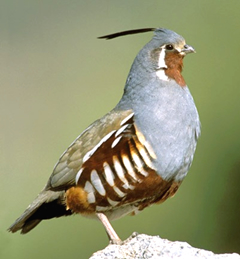
The Black-throated Bobwhite is a compact, medium-sized bird, averaging about 20-24 centimeters in length. The most distinguishing feature of this species is the black throat patch found on males, which contrasts sharply with the white face and eyebrow stripe. The rest of the plumage is predominantly mottled brown, providing excellent camouflage against the leaf litter and underbrush where it is often found. Females lack the black throat, displaying a more uniform brown and white speckling on the throat and face.
Juveniles resemble females but with more subdued coloration and less defined markings, lacking the stark contrast seen in adults. When comparing the Black-throated Bobwhite to similar species, such as the Northern Bobwhite, one can note the former's more extensive black throat and lack of strong sexual dimorphism in plumage coloration.
In flight, the Black-throated Bobwhite exhibits a rapid, direct flight pattern with quick wingbeats. When perched, it tends to remain low to the ground, often in dense cover, making it more often heard than seen. The posture is typically upright, with a quick, alert demeanor, ready to retreat into the underbrush at the first sign of danger.
Having trouble telling birds apart? Upload a photo to our bird identification tool for an instant species match.
Black-throated Bobwhite Habitat and Range
Preferred Habitat
The Black-throated Bobwhite primarily inhabits open scrublands, semi-arid regions, and edge habitats that provide a mix of grasslands and shrubs. These environments are characterized by sparse tree cover and an abundance of low-growing vegetation, which offers both food and protection. The bird is typically found at elevations ranging from sea level to about 1,500 meters.
Seasonally, the Black-throated Bobwhite may shift its habitat preference slightly, moving towards areas with denser vegetation during the breeding season to ensure adequate cover for nests. In terms of urban versus rural presence, the bird is more commonly associated with rural, undeveloped areas, as it relies on natural vegetation and is less tolerant of urban encroachment.
The habitat requirements of the Black-throated Bobwhite highlight its reliance on healthy ecosystems with minimal human disturbance. Preservation of these natural habitats is crucial for the continued survival of the species, as it depends on specific environmental conditions and resources.
Geographic Range
The Black-throated Bobwhite is primarily found in Central America, with a range extending from southern Mexico through Belize and into northern Guatemala and parts of Honduras. This bird is predominantly a resident species, meaning it does not undertake long-distance migrations and remains within its preferred habitat year-round.
Within its range, the Black-throated Bobwhite occupies areas that provide the necessary cover and food resources. Population density can vary significantly depending on habitat quality, with higher concentrations found in regions where the landscape offers a mosaic of open fields and dense underbrush.
During the breeding season, the bird's territorial behavior may lead to localized movements as individuals seek optimal nesting sites. However, these shifts are generally short-range and do not extend beyond its established range. Conservation efforts in Central America aim to protect the habitats that support this species, especially in areas where agricultural expansion threatens to reduce available territory.
Want to know which birds visit your area? Browse our backyard birds by location guides for region-specific species lists.
What Does the Black-throated Bobwhite Eat?
The diet of the Black-throated Bobwhite consists primarily of seeds, fruits, and insects, making it an omnivorous bird with a flexible feeding strategy. During the dry season, when plant resources are abundant, seeds and fruits make up the bulk of its diet. These include seeds from grasses, shrubs, and various native plants that grow in its habitat.
In the rainy season, the bird's diet shifts to include a higher proportion of insects, such as beetles, ants, and caterpillars, which are readily available and provide essential protein. The Black-throated Bobwhite forages primarily on the ground, using its strong legs to scratch at the soil and leaf litter in search of food. This foraging behavior not only helps it locate hidden food sources but also plays a role in soil aeration and seed dispersal.
The bird typically feeds during the cooler parts of the day, such as early morning and late afternoon, when it is most active. This feeding schedule allows it to avoid the heat of midday, which can be intense in its native habitats. The adaptability of its diet helps the Black-throated Bobwhite thrive in variable environmental conditions, as it can exploit a wide range of food sources depending on availability.
Black-throated Bobwhite Behavior and Social Structure
The Black-throated Bobwhite exhibits a range of social and territorial behaviors that are integral to its survival and reproduction. It is generally a social bird, often found in small groups or coveys, particularly outside the breeding season. These groups provide safety in numbers, enhancing the birds' ability to detect and evade predators.
During the breeding season, males become more territorial, using their distinctive calls to establish and defend their territories. These calls also serve to attract females and are most prevalent during the early morning and late afternoon. Courtship displays involve vocalizations and visual signals, with males often engaging in head-bobbing and tail-fanning to impress potential mates.
In response to predators, the Black-throated Bobwhite relies on its cryptic plumage to remain hidden, often freezing in place or quickly darting into dense cover when threatened. Its daily activity patterns are diurnal, with periods of feeding interspersed with rest and preening. The bird's behaviors reflect a balance between the need for social interaction and the necessity of avoiding predation.
Black-throated Bobwhite Nesting and Reproduction
The nesting habits of the Black-throated Bobwhite involve the construction of a simple ground nest, often situated within dense vegetation to provide concealment from predators. The nest is a shallow depression lined with grass, leaves, and other plant materials, carefully chosen to blend with the surrounding environment.
A typical clutch consists of 8 to 12 eggs, which are incubated primarily by the female for about 23 to 24 days. During this period, the male may assist by keeping watch and occasionally bringing food to the nesting female. Once the eggs hatch, both parents are involved in caring for the young, with the chicks leaving the nest within a day or two of hatching.
Fledging occurs relatively quickly, with the young reaching independence within a few weeks. The Black-throated Bobwhite typically raises one to two broods per year, depending on environmental conditions and food availability. Parental care is crucial during the early stages of the chicks' development, as the young are vulnerable to predation and require guidance in finding food.
Black-throated Bobwhite Sounds and Vocalizations
The primary song of the Black-throated Bobwhite is a sharp, two-note whistle that resembles the bird's name 'bob-white.' This song is most often heard during the breeding season, serving both as a territorial marker and an attractant for potential mates.
In addition to its song, the Black-throated Bobwhite produces various call notes used for communication within coveys. These include soft clucks and chirps that help maintain group cohesion and alert others to potential threats. The alarm calls are more abrupt and sharp, designed to warn other birds of danger and prompt a quick escape into cover.
The dawn chorus of the Black-throated Bobwhite is particularly notable, with males calling vigorously at sunrise, creating a distinctive and recognizable soundscape in its habitat. This vocal behavior is a key aspect of its social interaction and territorial defense, marking its presence in the habitat.
Interesting Facts About the Black-throated Bobwhite
- 1The Black-throated Bobwhite can lay up to 12 eggs in a single clutch, showcasing its potential for rapid population growth under favorable conditions.
- 2Despite its small size, the Black-throated Bobwhite's call can be heard over considerable distances, serving as an effective means of communication.
- 3The bird's preference for dense underbrush makes it a master of camouflage, often evading predators by freezing in place.
- 4Black-throated Bobwhites often form coveys ranging from 6 to 20 individuals, which helps them detect threats and find food more efficiently.
- 5The species is a year-round resident in its Central American range, adapting its diet and behavior to seasonal changes in food availability.
- 6Young Black-throated Bobwhites are precocial, meaning they are relatively mature and mobile shortly after hatching.
- 7The Black-throated Bobwhite's habitat choice of semi-arid scrublands provides insight into the ecological adaptations necessary for survival in such environments.
Black-throated Bobwhite Conservation Status
Currently, the Black-throated Bobwhite is not considered globally threatened, and its conservation status is listed as Least Concern by the IUCN. However, its population trends vary regionally, with some areas experiencing declines due to habitat degradation and loss. Primary threats to the species include agricultural expansion, which reduces available habitat, and the use of pesticides that diminish its food sources. Conservation efforts focus on preserving the bird's natural habitats and promoting sustainable land use practices that accommodate both human activities and wildlife needs. Historically, the Black-throated Bobwhite has maintained stable populations in regions where its habitat remains intact. Ongoing conservation initiatives aim to monitor population trends and implement measures to mitigate habitat loss, ensuring the species' continued survival.
Other Odontophoridae Species


Birds Similar to the Black-throated Bobwhite
These species are often confused with the Black-throated Bobwhite due to similar appearance or overlapping range.