
Blue-capped Redstart
Phoenicurus coeruleocephala
Order: Passeriformes / Family: Muscicapidae

Wikimedia Commons
About the Blue-capped Redstart
The Blue-capped Redstart (Phoenicurus coeruleocephala) is a captivating member of the Muscicapidae family, renowned for its striking appearance and dynamic behaviors. This bird inhabits montane forests across Central Asia, particularly thriving in the high-altitude regions of the Himalayas, including countries like India, Nepal, and Bhutan. It is often found at elevations ranging from 2,000 to 4,000 meters, where it is well-adapted to the cooler climates and rugged terrains.
The Blue-capped Redstart plays a significant role in its ecosystem, primarily as an insectivore, helping to control insect populations. By consuming a wide variety of insects, this bird contributes to the ecological balance within its habitat. During the breeding season, its vibrant colors and lively songs become more pronounced, attracting mates and establishing territories.
In terms of ecological roles, the Blue-capped Redstart serves as both predator and prey. Its presence indicates a healthy ecosystem, as it requires a habitat rich in both vegetation and insect life. Seasonal migrations are observed, with some populations moving to lower altitudes during the winter months in search of food and milder conditions. This seasonal movement helps maintain genetic diversity and ensures the species' long-term survival.
Overall, the Blue-capped Redstart is an important component of the montane avian community. Its behaviors, such as territorial displays and courtship rituals, add to the intricate tapestry of life in the high-altitude forests it calls home.
The Blue-capped Redstart belongs to the family Muscicapidae, within the order Passeriformes. These birds typically live typically 4-6 years, with some individuals living up to 8 years..
How to Identify a Blue-capped Redstart
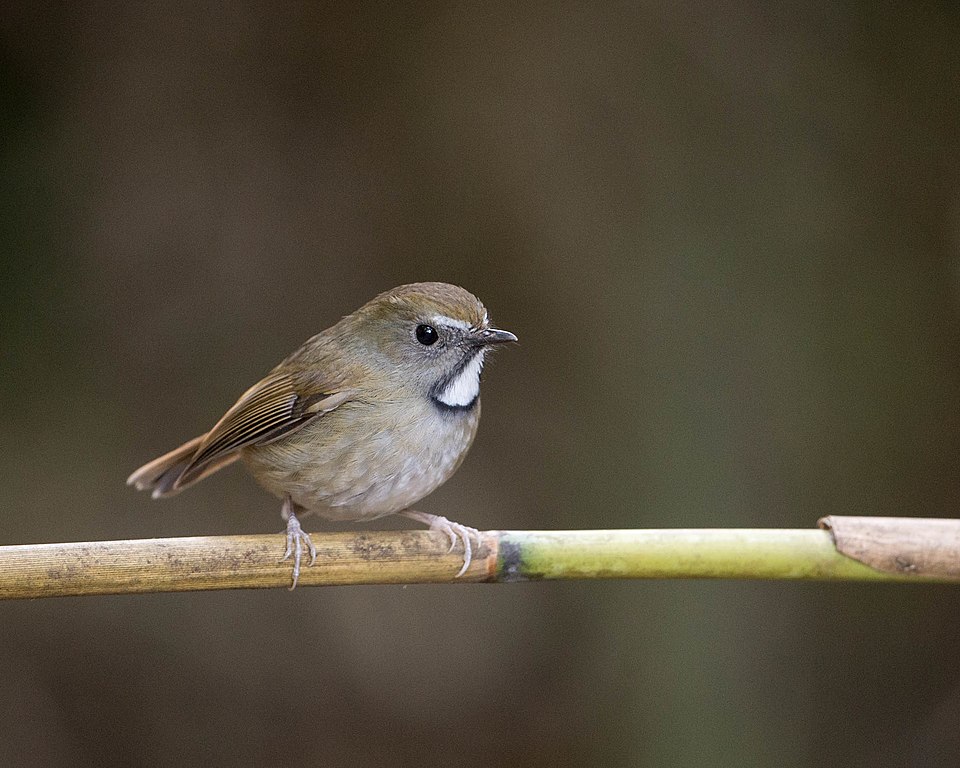
The Blue-capped Redstart is easily identified by its distinctive coloration. Adult males boast a vibrant blue crown and nape, contrasting sharply with their fiery red underparts. The back and wings exhibit a subtle grayish-brown coloration, while the tail is predominantly black with white edges. In contrast, females display more subdued colors, with a grayish-brown head and back, and a paler orange belly, making them less conspicuous.
Juvenile Blue-capped Redstarts bear resemblance to females but can be distinguished by their mottled plumage, which provides effective camouflage. This feature is particularly useful as they mature in the dense undergrowth of their montane habitats. The differences in plumage between males and females, as well as between adults and juveniles, are crucial for birders aiming to accurately identify this species in the field.
In flight, the Blue-capped Redstart exhibits a distinct silhouette with its broad wings and slightly forked tail. Its perching posture is typically upright, often seen on exposed branches or rocks, where it can keep a vigilant watch for potential prey and predators. Similar species, such as the Black Redstart, can cause confusion, but the Blue-capped Redstart's unique coloration serves as a reliable field mark.
Having trouble telling birds apart? Upload a photo to our bird identification tool for an instant species match.
Blue-capped Redstart Habitat and Range
Preferred Habitat
The Blue-capped Redstart thrives in montane forest environments, particularly favoring areas with dense undergrowth and abundant insect life. These habitats are predominantly found at elevations ranging from 2,000 to 4,000 meters, where the bird is well-adapted to cooler temperatures and rugged terrains. In the Himalayas, it inhabits both coniferous and mixed forests, often found near streams or other water sources that support diverse flora and fauna.
During the winter months, the Blue-capped Redstart descends to lower altitudes, where it occupies deciduous woodlands and scrub areas. This seasonal habitat shift allows the bird to access food sources that may be scarce at higher elevations during colder periods. Although primarily a forest dweller, the Blue-capped Redstart occasionally ventures into rural gardens and orchards, particularly those adjacent to its native woodlands.
The Blue-capped Redstart is less commonly found in urban environments, preferring the tranquility and resources of natural settings. Its presence in a particular area often indicates a healthy forest ecosystem, rich in both plant and insect diversity.
Geographic Range
The Blue-capped Redstart's range is primarily concentrated in Central Asia, with breeding populations established throughout the mountainous regions of the Himalayas. Countries such as India, Nepal, and Bhutan are home to significant numbers of this species during the breeding season. The bird favors high-altitude zones, typically between 2,000 to 4,000 meters, where it finds suitable nesting sites and abundant food sources.
As the breeding season concludes, some populations migrate to lower elevations in search of milder climates and more accessible food supplies. This altitudinal migration is primarily observed within the same geographic regions, although there are records of the species moving into parts of northern Pakistan and Tibet during the winter months.
Population density hotspots for the Blue-capped Redstart are often found in areas with dense forest cover and ample insect populations. These hotspots serve as critical breeding and foraging grounds, supporting the bird's long-term survival and population stability. While generally considered common within its range, the Blue-capped Redstart's presence is closely tied to the health of its montane forest habitats.
Want to know which birds visit your area? Browse our backyard birds by location guides for region-specific species lists.
What Does the Blue-capped Redstart Eat?
The Blue-capped Redstart primarily subsists on a diet of insects, making it an adept insectivore. Throughout the year, it consumes a variety of insects, including beetles, caterpillars, and other small arthropods. During the breeding season, its diet becomes even more insect-focused, as it requires a protein-rich intake to support the growth and development of nestlings.
In addition to insects, the Blue-capped Redstart occasionally supplements its diet with small quantities of berries and seeds, particularly during the winter months when insect availability declines. This dietary flexibility aids the bird's survival during periods of food scarcity.
Foraging techniques of the Blue-capped Redstart involve both ground and aerial hunting. The bird often perches on a low branch or rock, scanning the ground for movement before swiftly darting down to capture its prey. In flight, it may also snatch insects mid-air, exhibiting impressive agility and precision. This combination of foraging strategies ensures the Blue-capped Redstart can efficiently exploit a wide range of food sources within its habitat.
Blue-capped Redstart Behavior and Social Structure
The Blue-capped Redstart displays a variety of behaviors that are characteristic of its species. It is generally solitary or found in pairs, particularly during the breeding season when territorial behavior becomes pronounced. Males engage in elaborate courtship displays, showcasing their vibrant plumage and vocal abilities to attract mates. These displays often include a combination of song and flight, with the male performing aerial acrobatics to impress the female.
Territorial disputes are common, with males defending their breeding grounds vigorously against intruders. This territorial behavior is crucial for ensuring access to resources and nesting sites. Outside the breeding season, the Blue-capped Redstart may form loose flocks, particularly during migration or in wintering areas where food resources are concentrated.
In response to predators, the Blue-capped Redstart employs a range of alarm calls and evasive maneuvers. When threatened, it may issue sharp, repetitive calls to alert others of danger. The bird's daily activity patterns are largely diurnal, with peak activity occurring in the early morning and late afternoon when foraging conditions are optimal. These behaviors reflect the Blue-capped Redstart's adaptability and its ability to thrive in the challenging environments it inhabits.
Blue-capped Redstart Nesting and Reproduction
The Blue-capped Redstart's nesting habits are closely tied to its montane forest habitat. Nests are typically constructed in sheltered locations such as crevices in rocks, tree cavities, or even on ledges. The bird demonstrates a preference for sites that offer protection from the elements and predators. Nest construction involves the use of moss, grass, and feathers, forming a cup-shaped structure that provides insulation and comfort for the eggs and chicks.
A typical clutch consists of 3 to 5 eggs, which are incubated primarily by the female for about 12 to 14 days. During this period, the male plays a supportive role, providing food and protection for the nesting female. Once hatched, the chicks remain in the nest for approximately 14 to 16 days before fledging. Both parents share responsibilities in feeding and caring for the young during this critical period.
The number of broods per year can vary depending on environmental conditions and food availability, though one to two broods are common. The Blue-capped Redstart's nesting success is closely linked to the health of its habitat, as a rich supply of insects is essential for chick development and survival.
Blue-capped Redstart Sounds and Vocalizations
The Blue-capped Redstart is known for its melodious song, characterized by a series of short, clear notes that rise and fall in a fluid sequence. The song's rhythm is lively and upbeat, often described as a cheerful warble that can be heard echoing through the montane forests it inhabits. During the breeding season, males sing more frequently as part of their territorial and courtship displays.
In addition to its primary song, the Blue-capped Redstart possesses a repertoire of call notes used for communication. These include soft chirps and whistles exchanged between mates, as well as sharper alarm calls that signal potential threats. The bird's alarm calls are particularly distinctive, comprising a rapid series of high-pitched notes that convey urgency.
The dawn chorus is a notable aspect of the Blue-capped Redstart's vocal behavior, with males contributing to the early morning symphony of the forest. Their songs add to the acoustic landscape, reinforcing the presence and vitality of this colorful species within its habitat.
Interesting Facts About the Blue-capped Redstart
- 1The Blue-capped Redstart can be found at altitudes of up to 4,000 meters, showcasing its remarkable adaptability to high-altitude environments.
- 2Unlike many other songbirds, the Blue-capped Redstart exhibits a marked difference in plumage coloration between males and females, aiding in field identification.
- 3The species' vibrant blue and red plumage is more than just for show; it plays a critical role in courtship and mate selection.
- 4During migration, the Blue-capped Redstart may cover distances of several hundred kilometers, moving between breeding and wintering grounds.
- 5The bird's diet shifts with the seasons, becoming more reliant on berries and seeds during the colder months when insects are scarce.
- 6The Blue-capped Redstart's song can often be heard during the dawn chorus, adding to the rich acoustic tapestry of its montane forest habitat.
- 7Despite its striking appearance, the Blue-capped Redstart can be surprisingly elusive, often blending into its surroundings with its subtle movements.
Blue-capped Redstart Conservation Status
The Blue-capped Redstart is currently classified as Least Concern by the IUCN, indicating that its populations are relatively stable across its range. Despite its stable status, the species faces ongoing threats primarily linked to habitat degradation. Deforestation and the fragmentation of montane forests pose significant challenges to its long-term survival. Conservation efforts aimed at preserving high-altitude forests are crucial for maintaining the Blue-capped Redstart's habitats. Initiatives that focus on sustainable forestry practices and protected area management can help mitigate habitat loss. Additionally, monitoring population trends is essential to ensure the species does not decline unnoticed. Historically, the Blue-capped Redstart has maintained a consistent presence within its range, thanks in part to its adaptability and resilience. However, continued vigilance and conservation action are necessary to safeguard its future in the face of environmental changes.
Other Muscicapidae Species


Birds Similar to the Blue-capped Redstart
These species are often confused with the Blue-capped Redstart due to similar appearance or overlapping range.
