
Grayish Flycatcher
Bradornis microrhynchus
Order: Passeriformes / Family: Muscicapidae

Wikimedia Commons
About the Grayish Flycatcher
The Grayish Flycatcher, Bradornis microrhynchus, is a small passerine bird found across various regions in Africa. It belongs to the family Muscicapidae, which encompasses a diverse group of old-world flycatchers. This species is characterized by its overall gray coloration and agile hunting techniques, making it a fascinating subject for ornithologists and bird enthusiasts alike. Its presence is most notable in sub-Saharan Africa, where it thrives in a range of habitats, from woodlands to savannas.
Ecologically, the Grayish Flycatcher plays a significant role in controlling insect populations. As an insectivorous bird, it feeds on a variety of insects, providing a natural form of pest management. It is particularly important in ecosystems where insect populations can fluctuate dramatically. The flycatcher's hunting style involves sallying flights from a perch to capture prey mid-air, a behavior that not only aids in maintaining insect balance but also showcases its impressive agility and precision.
The Grayish Flycatcher is widely distributed across countries such as Kenya, Tanzania, Uganda, and the Democratic Republic of the Congo. Its adaptability to different environments, including semi-arid regions and moist lowland forests, underscores its ecological resilience. During the breeding season, this species exhibits specific behaviors, with males becoming more vocal and territorial. The breeding season varies with geographical location, generally coinciding with the rainy season when insect abundance peaks. In some areas, the Grayish Flycatcher may also engage in altitudinal migrations, moving to lower elevations during colder months.
The Grayish Flycatcher belongs to the family Muscicapidae, within the order Passeriformes. These birds typically live average 4-5 years, with rare instances of reaching 7 years..
How to Identify a Grayish Flycatcher
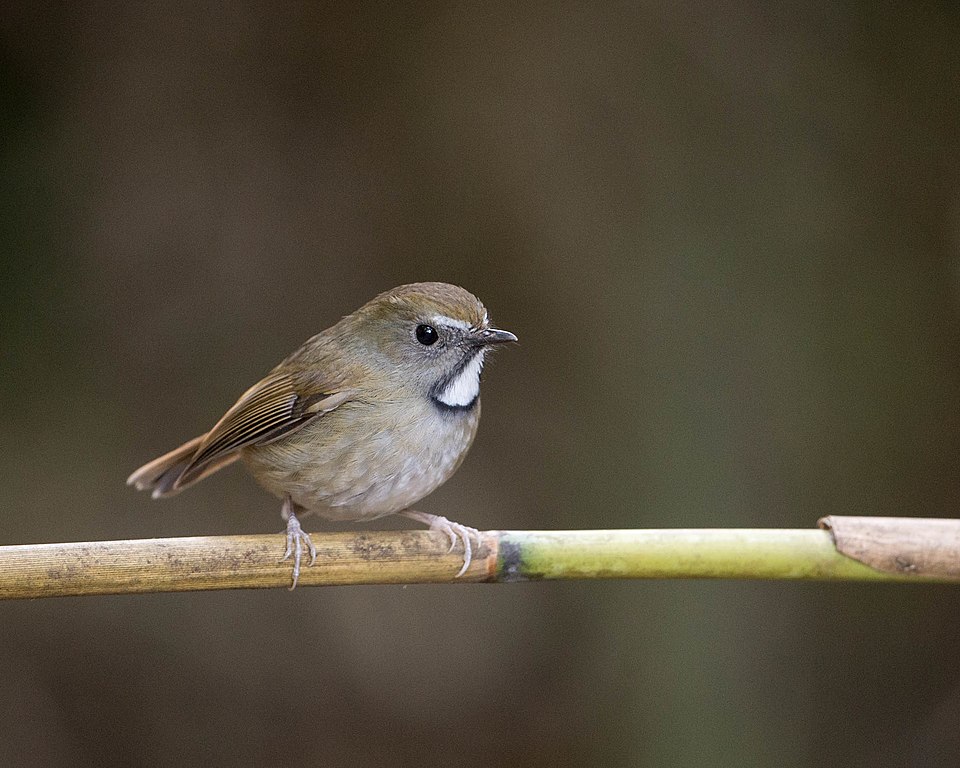
Identifying the Grayish Flycatcher involves observing several distinct field marks. Adult birds exhibit a uniform gray plumage that blends seamlessly with their preferred habitats. Their underparts are slightly paler, providing subtle contrast against the darker upperparts. The bill is relatively small and dark, adapted for their insectivorous diet. Juveniles resemble adults but may display a slightly browner tinge in the plumage, which fades as they mature.
There is little sexual dimorphism in this species, making males and females difficult to distinguish in the field. Both sexes share similar size and coloration, relying on behavioral cues rather than visual differences for identification. In flight, the Grayish Flycatcher presents a compact silhouette with rapid, agile wingbeats. When perched, it often adopts an upright posture, scanning for prey with keen focus.
Confusion with similar species can occur, particularly with other gray flycatchers. However, the Grayish Flycatcher's consistent gray tone and its active hunting behavior help differentiate it from less agile species. Observers should note its characteristic sallying flight pattern, a key behavioral trait that aids in accurate identification.
Having trouble telling birds apart? Upload a photo to our bird identification tool for an instant species match.
Grayish Flycatcher Habitat and Range
Preferred Habitat
The Grayish Flycatcher inhabits a range of environments across Africa. It is commonly found in open woodlands, savannas, and forest edges, favoring areas with scattered trees and shrubs. This species is adaptable, capable of thriving in both dry and moist habitats. It is often seen at elevations ranging from sea level to around 2,500 meters.
In terms of seasonal habitat shifts, the Grayish Flycatcher may move to lower elevations during cooler months, particularly in regions with significant altitude variation. This adaptability allows it to exploit different habitats as conditions change. While primarily associated with rural and semi-natural areas, it occasionally ventures into gardens and urban parks, where suitable perching spots and insect prey are available.
Geographic Range
The Grayish Flycatcher has a broad range across sub-Saharan Africa. It breeds in countries including Kenya, Tanzania, Uganda, and the Democratic Republic of the Congo, extending into Angola and Zambia. While not a long-distance migrant, some populations may undertake short migrations or altitudinal movements in response to seasonal changes.
Within its range, the Grayish Flycatcher is relatively common, though its population density varies by region. Hotspots of abundance often correlate with areas of optimal habitat, such as open woodlands with adequate insect prey. The species' adaptability enables it to persist in various landscapes, contributing to its widespread presence across its range.
Want to know which birds visit your area? Browse our backyard birds by location guides for region-specific species lists.
What Does the Grayish Flycatcher Eat?
The diet of the Grayish Flycatcher is predominantly insectivorous, focusing on a variety of flying insects. Key prey items include beetles, flies, and moths, which it captures during aerial sallies. The bird's small, agile bill is well-suited for snatching insects in flight, a technique it uses with remarkable precision.
Seasonal changes in diet are influenced by insect availability. During the breeding season, when insect populations surge, the Grayish Flycatcher takes advantage of the abundance to feed nestlings. In addition to insects, it may occasionally consume small seeds or berries, though this is not a primary food source. Foraging typically occurs during daylight hours, with periods of heightened activity in the morning and late afternoon.
Grayish Flycatcher Behavior and Social Structure
The Grayish Flycatcher exhibits a range of behaviors that reflect its adaptability and ecological niche. Socially, it tends to be solitary or found in pairs, particularly during the breeding season when males establish territories through vocal displays and physical presence.
Courtship involves aerial displays and vocalizations, with males showcasing their agility to attract females. Territorial behavior is pronounced, as males defend their chosen areas against rivals. This species is generally not a flocking bird, although it may join mixed-species foraging flocks when not breeding.
In response to predators, the Grayish Flycatcher relies on agility and camouflage. It may emit alarm calls to alert conspecifics of danger, and its flight pattern can be erratic when evading threats. Daily activity patterns include active foraging during daylight, with periods of rest during the hottest parts of the day.
Grayish Flycatcher Nesting and Reproduction
Nesting for the Grayish Flycatcher involves selecting a site that offers both concealment and accessibility. Nests are typically constructed in the fork of a tree or within dense shrubbery, using materials such as grass, leaves, and spider webs to form a cup-shaped structure.
Clutch size averages 2-3 eggs, with incubation lasting around 14 days. Both parents share incubation duties, although the female often takes the primary role. After hatching, chicks develop rapidly, fledging within 16-18 days. Parental care extends beyond fledging, with adults feeding and protecting young birds until they achieve independence. The Grayish Flycatcher may raise two broods per year, depending on food availability and climatic conditions.
Grayish Flycatcher Sounds and Vocalizations
The primary song of the Grayish Flycatcher is a series of soft, melodious whistles and trills. These vocalizations serve as territorial markers and play a role in courtship. The pitch is moderate, with a rhythmic quality that sets it apart from harsher calls of sympatric species.
Call notes are varied and include short, sharp chips used in alarm or communication. During dawn, males often participate in a chorus, reinforcing territorial claims and attracting mates. The song's gentle quality contrasts with more raucous members of the avian community, providing a soothing backdrop to the landscape.
Interesting Facts About the Grayish Flycatcher
- 1The Grayish Flycatcher can perform intricate aerial maneuvers, capturing prey mid-flight with remarkable accuracy.
- 2Unlike many flycatchers, the Grayish Flycatcher does not rely heavily on vocal mimicry, instead using distinct whistles.
- 3This species can live at elevations up to 2,500 meters, adapting to cooler temperatures and varied insect prey.
- 4While primarily insectivorous, the Grayish Flycatcher occasionally supplements its diet with small seeds.
- 5During breeding, the male Grayish Flycatcher becomes more vocal, establishing territory with songs and calls.
- 6The Grayish Flycatcher has a relatively small bill compared to other flycatchers, specialized for its insect diet.
- 7Despite its name, the Grayish Flycatcher occasionally exhibits slight brownish tones in its juvenile plumage.
Grayish Flycatcher Conservation Status
According to the IUCN, the Grayish Flycatcher is listed as Least Concern, with populations considered stable. This status reflects its wide distribution and adaptability to various habitats. While not currently threatened, potential risks include habitat loss due to deforestation and agricultural expansion. Conservation efforts focus on maintaining habitat integrity and monitoring population trends. Historical data suggests that while some local populations have experienced pressures, overall numbers remain robust. Continued conservation measures will ensure the Grayish Flycatcher thrives across its native range.
Other Muscicapidae Species


Birds Similar to the Grayish Flycatcher
These species are often confused with the Grayish Flycatcher due to similar appearance or overlapping range.
