
Indigo Flycatcher
Eumyias indigo
Order: Passeriformes / Family: Muscicapidae

Wikimedia Commons
About the Indigo Flycatcher
The Indigo Flycatcher, scientifically known as Eumyias indigo, is a small yet vividly colored bird found primarily in the montane forests of Southeast Asia. This species belongs to the family Muscicapidae within the order Passeriformes. Its striking blue plumage and agile flight make it a favorite among birdwatchers and ornithologists alike. The Indigo Flycatcher plays a vital ecological role as an insect predator, helping to control insect populations within its habitat.
Inhabiting the high-altitude regions of Sumatra, Java, and the Malay Peninsula, the Indigo Flycatcher thrives in moist, evergreen forests. These regions provide an abundance of food and nesting opportunities. The bird's ecological significance extends to its role as a bioindicator, reflecting the health of montane forest ecosystems. Its presence or absence can indicate changes in environmental conditions, often tied to climate change or deforestation.
Seasonally, the Indigo Flycatcher exhibits distinct behaviors. During the breeding season, which typically occurs from March to August, males display their vibrant plumage to attract mates. They engage in elaborate aerial displays, showcasing their agility and strength. Outside the breeding season, these birds may form small flocks, increasing their efficiency in locating food and avoiding predators. The Indigo Flycatcher's adaptability to seasonal changes and varying environmental conditions underscores its importance as a resilient species within its native range.
The Indigo Flycatcher belongs to the family Muscicapidae, within the order Passeriformes. These birds typically live typically around 3-5 years, with a maximum recorded of 6 years..
How to Identify a Indigo Flycatcher
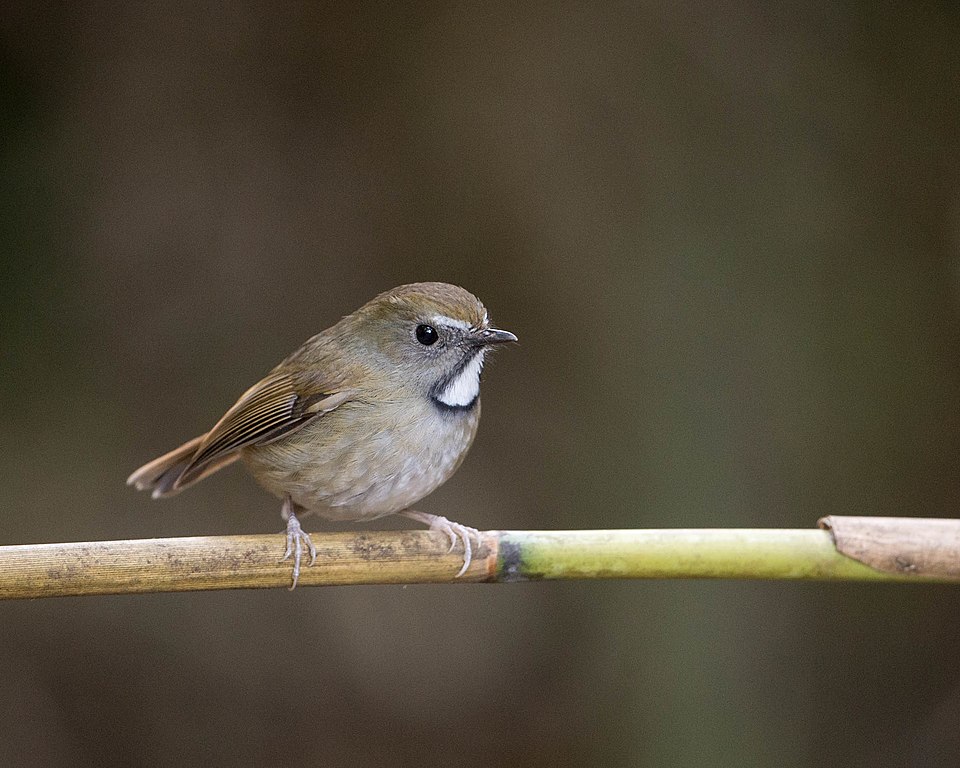
The Indigo Flycatcher is easily recognized by its brilliant iridescent blue plumage, which covers most of its body. Adult males exhibit a more intense blue compared to females, which have slightly duller tones. Both sexes share a similar overall appearance, with a compact body and a short, stout bill suited for insect capture. Juvenile Indigo Flycatchers differ in plumage, displaying a mixture of blue and brown, providing them with better camouflage against predators.
In flight, the Indigo Flycatcher has a swift, agile silhouette, with rapid wing beats characteristic of flycatchers. Its perching posture is upright, often seen darting out from a perch to catch flying insects. This bird's size, approximately 13-14 centimeters in length, helps distinguish it from larger flycatchers in the region.
Despite its distinct coloration, the Indigo Flycatcher can be confused with the Verditer Flycatcher (Eumyias thalassinus), which shares a similar range. However, the Verditer Flycatcher is generally larger and lacks the deep indigo tone of the Indigo Flycatcher. Close observation of their behavior and specific field marks can help in making a correct identification, especially in overlapping habitats.
Having trouble telling birds apart? Upload a photo to our bird identification tool for an instant species match.
Indigo Flycatcher Habitat and Range
Preferred Habitat
The Indigo Flycatcher thrives in montane forest environments, particularly within the humid, evergreen forests of Southeast Asia. Found primarily at elevations ranging from 800 to 3,000 meters, this bird prefers regions with dense canopy cover and abundant insect life. In Java, Sumatra, and the Malay Peninsula, it inhabits areas that offer both the shelter of mature trees and open spaces for foraging.
During the breeding season, the Indigo Flycatcher remains in the higher elevations, where cooler temperatures and increased precipitation create ideal conditions for raising young. However, outside of this period, some individuals might descend to lower altitudes in search of food or more stable weather conditions.
Unlike many bird species, the Indigo Flycatcher is less frequently found in urban areas, preferring the undisturbed and rich biodiversity of forested regions. Its habitat preferences make it particularly vulnerable to habitat loss due to deforestation and land conversion, underscoring the importance of conserving montane forest ecosystems.
Geographic Range
The Indigo Flycatcher is primarily found in the highland regions of Southeast Asia, with populations concentrated in Sumatra, Java, and the Malay Peninsula. It is a resident species, meaning it does not undertake long-distance migrations. Instead, it exhibits altitudinal movements, often shifting to lower elevations during adverse weather conditions or in response to food availability.
The species' range is closely tied to the montane forests that stretch across these regions. Within these areas, the Indigo Flycatcher is relatively widespread, although local population densities can vary based on habitat quality and human impact.
While primarily a non-migratory bird, the Indigo Flycatcher's range does overlap with other flycatcher species, sometimes leading to mixed-species flocks during the non-breeding season. This behavior facilitates resource sharing and provides added protection against predators.
Want to know which birds visit your area? Browse our backyard birds by location guides for region-specific species lists.
What Does the Indigo Flycatcher Eat?
The Indigo Flycatcher primarily feeds on insects, making it an important predator in its ecosystem. Its diet consists mainly of small flying insects such as flies, beetles, and moths, which it captures with impressive aerial acrobatics. The bird's foraging technique involves sallying forth from a perch to snatch insects mid-air, a behavior typical of flycatchers.
During the breeding season, the demand for protein increases, prompting the Indigo Flycatcher to intensify its hunting efforts. It may also consume small arachnids and caterpillars, particularly when feeding chicks. This flexibility in diet allows the bird to adapt to fluctuating insect populations.
Feeding occurs primarily during the early morning and late afternoon, aligning with peak insect activity. In times of food scarcity, the Indigo Flycatcher may expand its diet to include small berries and fruits, although this remains a secondary food source compared to its insectivorous tendencies.
Indigo Flycatcher Behavior and Social Structure
The Indigo Flycatcher exhibits a range of behaviors that highlight its adaptability and social nature. Generally a solitary bird, it becomes more gregarious outside the breeding season, often forming loose flocks with other flycatcher species. This social structure allows for effective foraging and increased vigilance against predators.
Territorial behavior is prominent during the breeding season, with males establishing and defending territories through vocal displays and aerial maneuvers. Courtship involves the male showcasing its vibrant plumage and agility, often accompanied by soft, melodic calls to attract a mate.
The Indigo Flycatcher is diurnal, engaging in most activities during daylight hours. It exhibits a pronounced dawn chorus, with males singing to assert territory and strengthen pair bonds. When faced with potential threats, the bird employs a combination of alarm calls and evasive flight patterns to deter predators, showcasing its resourcefulness and agility.
Indigo Flycatcher Nesting and Reproduction
The Indigo Flycatcher builds its nest in tree crevices or dense foliage, often selecting sites that offer protection from predators and harsh weather. Nests are cup-shaped and constructed from moss, lichens, and fine plant fibers, providing insulation and camouflage.
The typical clutch size ranges from two to three eggs, with both parents sharing incubation duties, which last approximately 14-16 days. Once hatched, the chicks remain in the nest for about two weeks before fledging. During this period, both parents actively feed and care for the young, ensuring a steady supply of insects to support rapid growth.
The species generally raises one brood per year, although favorable conditions may allow for a second. Parental roles are equally shared, highlighting a cooperative breeding strategy that enhances reproductive success.
Indigo Flycatcher Sounds and Vocalizations
The Indigo Flycatcher's primary song is a melodious series of high-pitched notes, often described as sweet and musical. This song serves multiple purposes, from attracting mates to delineating territory. The rhythm is typically steady, with a mix of trills and whistles that carry well through the forest canopy.
Call notes are simpler, consisting of sharp, single-note sounds used for communication between mates or to signal alarm. When disturbed, the Indigo Flycatcher emits a series of rapid, high-pitched calls to alert others of potential danger.
During the dawn chorus, the bird's song becomes more pronounced and frequent, contributing to the symphony of sounds that characterizes early morning in the montane forests. The Indigo Flycatcher's vocalizations are reminiscent of other small passerines, yet its distinctive melody sets it apart.
Interesting Facts About the Indigo Flycatcher
- 1The Indigo Flycatcher's plumage can appear almost iridescent, changing shades depending on the light angle.
- 2Despite its vibrant color, the Indigo Flycatcher is adept at camouflaging in the dense forest canopy.
- 3The species' scientific name, Eumyias indigo, reflects its striking indigo coloration.
- 4Indigo Flycatchers are known to engage in mixed-species flocks, enhancing foraging success.
- 5These birds can be seen performing acrobatic flights when catching insects in mid-air.
- 6Their nests are crafted from moss and lichens, blending seamlessly with their surroundings.
- 7The Indigo Flycatcher's song is a delightful addition to the montane forest's dawn chorus.
Indigo Flycatcher Conservation Status
The Indigo Flycatcher is currently classified as Least Concern by the IUCN, with populations considered stable. However, ongoing threats such as deforestation and habitat degradation pose significant risks to its long-term survival. Primary threats include logging, agricultural expansion, and climate change, which affect the availability of suitable montane forest habitats. Conservation efforts focus on preserving these critical environments through protected areas and sustainable land-use practices. Historically, the Indigo Flycatcher's populations have fluctuated in response to habitat changes. Continued monitoring and research are essential to ensure that populations remain resilient against future environmental challenges.
Other Muscicapidae Species


Birds Similar to the Indigo Flycatcher
These species are often confused with the Indigo Flycatcher due to similar appearance or overlapping range.

