
Nilgiri Flycatcher
Eumyias albicaudatus
Order: Passeriformes / Family: Muscicapidae

Wikimedia Commons
About the Nilgiri Flycatcher
The Nilgiri Flycatcher, scientifically known as Eumyias albicaudatus, stands out as a jewel of the Western Ghats' avian community. This small passerine bird belongs to the Muscicapidae family and showcases a unique blend of vibrant blue plumage and a distinctively white tail, lending it both its common and scientific names. Endemic to the Western Ghats, this species is primarily found in the southern regions of India, notably in states such as Tamil Nadu, Kerala, and Karnataka. The Nilgiri Flycatcher plays a vital ecological role as an insectivore, helping to control insect populations within its habitat. Its presence is largely restricted to montane, or high-altitude, evergreen forests, sholas, and adjacent plantations, especially tea plantations, where it thrives in a cool, moist environment. During the breeding season, which typically spans from March to June, the Nilgiri Flycatcher becomes more active and vocal, often participating in elaborate courtship displays that include song and aerial acrobatics. Not only does this bird contribute to the ecosystem by controlling insect populations, but it also attracts birdwatchers and nature enthusiasts to the region, thereby playing a part in local ecotourism. As an indicator species, the Nilgiri Flycatcher reflects the health of its forested environment, making it significant in conservation discussions. Its restricted range and habitat preferences make it particularly susceptible to habitat destruction, especially from deforestation and changes in land use. Understanding its ecological role and needs is essential for preserving the biodiversity of the Western Ghats, a UNESCO World Heritage Site and one of the world's eight "hottest hotspots" of biological diversity. The Nilgiri Flycatcher's specific habitat requirements and its captivating presence make it a subject of both scientific interest and conservation efforts.
The Nilgiri Flycatcher belongs to the family Muscicapidae, within the order Passeriformes. These birds typically live typically around 4-5 years, with a maximum recorded of 7 years..
How to Identify a Nilgiri Flycatcher
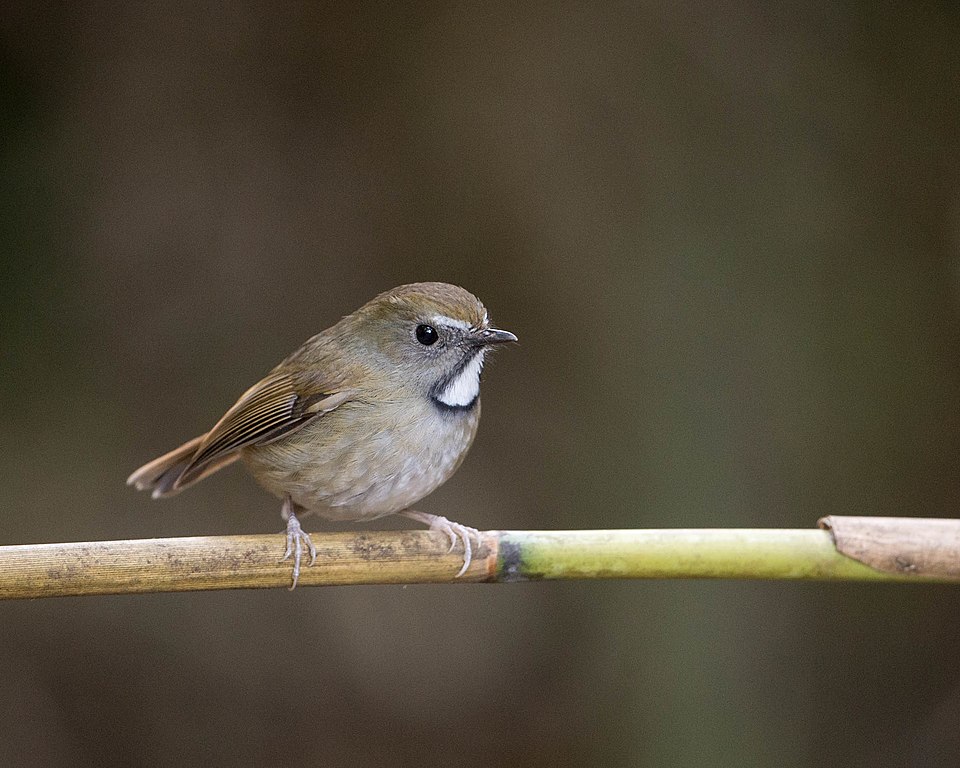
The Nilgiri Flycatcher is a small bird, measuring about 13-14 cm in length, with a wingspan ranging from 18 to 22 cm. Adult males possess a brilliant cobalt blue coloration that covers most of their body, contrasting sharply with their white underparts and tail, an identification mark that sets them apart from other flycatchers. Females and juveniles, however, display a more subdued blue-gray tone, with the white tail still prominent but less vibrant. While both sexes share similar plumage patterns, the male's richer blue hue is typically more striking, especially in good light. When compared to similar species, the Nilgiri Flycatcher can be distinguished by its size and the unique combination of blue and white plumage. Its flight is characterized by a swift, undulating motion, often accompanied by short, quick flaps of its wings. When perched, it adopts an upright posture, often flicking its tail, a behavior typical of flycatchers in general. This species may be confused with the Verditer Flycatcher; however, the latter lacks the distinctive white tail observed in the Nilgiri Flycatcher.
Having trouble telling birds apart? Upload a photo to our bird identification tool for an instant species match.
Nilgiri Flycatcher Habitat and Range
Preferred Habitat
The Nilgiri Flycatcher inhabits montane evergreen forests, primarily within the Western Ghats, at elevations ranging from 1200 to 2500 meters. It is especially prevalent in shola forests, which are characterized by dense, stunted trees and high humidity. These habitats provide the bird with a rich supply of insects, which constitute its primary diet. While the Nilgiri Flycatcher is a forest-dwelling species, it occasionally ventures into adjacent tea plantations and gardens, particularly during the non-breeding season. Unlike many other birds, it does not typically migrate long distances, although it may undertake short altitudinal movements in response to climatic conditions and food availability. The bird's presence in rural and semi-urban areas near its natural habitat highlights its adaptability, though it remains predominantly a forest bird.
Geographic Range
The Nilgiri Flycatcher is endemic to the Western Ghats of southern India, a narrow mountain range that runs parallel to the western coast of the Indian peninsula. This bird's range extends from the Nilgiri Hills in the north to the Agasthyamalai Hills in the south, covering the states of Tamil Nadu, Kerala, and Karnataka. Within this limited range, the flycatcher is most frequently encountered in montane forests and shola-grassland mosaics, often in protected areas like the Silent Valley National Park and the Eravikulam National Park. Its population density is highest in these undisturbed forest areas, where the availability of food and nesting sites supports a stable population. Unlike migratory birds, the Nilgiri Flycatcher typically does not leave its breeding range, instead relying on its specialized habitat year-round.
Want to know which birds visit your area? Browse our backyard birds by location guides for region-specific species lists.
What Does the Nilgiri Flycatcher Eat?
The Nilgiri Flycatcher's diet consists predominantly of insects, playing a crucial role in controlling insect populations in its habitat. It hunts a variety of prey, including beetles, flies, and moths, which it skillfully captures in mid-air with swift, acrobatic flights. This bird primarily forages in the forest canopy, though it may occasionally descend to lower branches or the forest floor to catch insects. During the breeding season, its diet may shift slightly to include more protein-rich insects, which are paramount for feeding its young. The Nilgiri Flycatcher primarily forages during the early morning and late afternoon, times when insect activity peaks, allowing for efficient hunting.
Nilgiri Flycatcher Behavior and Social Structure
The Nilgiri Flycatcher exhibits a solitary or paired lifestyle, especially evident during the breeding season. Males often establish and defend small territories through song and physical displays, deterring other males from encroaching. Courtship involves a series of ritualistic displays, including singing and aerial maneuvers designed to attract a mate. Once paired, these birds remain monogamous throughout the breeding season. While generally solitary, the Nilgiri Flycatcher may join mixed-species flocks during the non-breeding season, a behavior that can increase foraging efficiency and provide protection from predators. This species exhibits a diurnal activity pattern, being most active during dawn and dusk, which coincides with peak insect activity.
Nilgiri Flycatcher Nesting and Reproduction
The Nilgiri Flycatcher typically nests in dense foliage, often selecting a location on a sloping bank or within a hollow tree. The nest, built by both male and female, is a cup-shaped structure made of twigs, roots, and moss, lined with softer materials for insulation. Clutch size usually ranges from two to three eggs, which are incubated primarily by the female for about 14-16 days. During this period, the male actively defends the territory and supplies food to the female. After hatching, both parents share the responsibility of feeding the chicks, which fledge approximately 15-18 days post-hatching. The Nilgiri Flycatcher generally raises one brood per year.
Nilgiri Flycatcher Sounds and Vocalizations
The Nilgiri Flycatcher's song is a melodious, repetitive series of whistles and trills, which it uses to establish territory and attract mates. The song can be described as a clear, flute-like sequence with a consistent rhythm. Its calls include short, sharp notes used to communicate with a mate or signal alarm. During the dawn chorus, the flycatcher's song can be heard echoing through its forest habitat, often blending with the calls of other species. Its alarm call, a harsh, scolding note, is employed when predators are nearby, alerting other birds to potential danger.
Interesting Facts About the Nilgiri Flycatcher
- 1The Nilgiri Flycatcher is one of the few bird species endemic to the Western Ghats, emphasizing its limited distribution.
- 2Despite its bold coloring, the Nilgiri Flycatcher is often hard to spot due to its preference for dense forest canopy.
- 3The species is named after the Nilgiri Hills, a key location where it thrives, highlighting its connection to the region.
- 4While primarily insectivorous, the Nilgiri Flycatcher occasionally consumes berries, adding variety to its diet.
- 5The bird's song, a series of flute-like whistles, is considered one of the most melodious in its habitat.
Nilgiri Flycatcher Conservation Status
The Nilgiri Flycatcher is currently listed as Least Concern by the IUCN, although its population is believed to be decreasing due to habitat loss. Deforestation, driven by agricultural expansion and urbanization, poses the greatest threat to its montane forest habitat. Conservation efforts are focusing on preserving the shola forests and promoting sustainable land-use practices in the Western Ghats. Protected areas within its range, such as national parks and wildlife sanctuaries, provide crucial havens for this species. Monitoring population trends and enforcing conservation laws are essential to ensure the flycatcher's continued survival.
Other Muscicapidae Species


Birds Similar to the Nilgiri Flycatcher
These species are often confused with the Nilgiri Flycatcher due to similar appearance or overlapping range.

