
Itombwe Flycatcher
Muscicapa itombwensis
Order: Passeriformes / Family: Muscicapidae

Wikimedia Commons
About the Itombwe Flycatcher
The Itombwe Flycatcher, scientifically known as Muscicapa itombwensis, is a rare and enigmatic bird species endemic to the Itombwe Mountains in the eastern Democratic Republic of the Congo. As a member of the Muscicapidae family, it shares traits with other flycatchers yet stands out due to its restricted range and unique adaptations to the montane forest environment. This bird occupies a crucial niche in the ecosystem, playing a significant role in insect population control through its foraging activities.
The Itombwe Flycatcher resides in dense, moist montane forests, typically above 1,800 meters in elevation, where it benefits from the rich biodiversity that these habitats offer. The region's complex topography and high levels of endemism make it an important area for conservation and study. Observing this flycatcher offers insight into the ecological dynamics of the region and highlights the importance of preserving these habitats.
Ecologically, the Itombwe Flycatcher contributes to the health of its forest habitat by preying on a variety of insects. It helps maintain the delicate balance of the ecosystem by regulating insect populations, which can have cascading effects on plant pollination and growth. As an insectivore, it also participates in the transfer of nutrients within the forest, supporting a wide array of other species.
Seasonal behaviors of the Itombwe Flycatcher include changes in foraging locations and potential altitudinal movements in response to climatic conditions. During the breeding season, which typically aligns with the wet season, the bird is more active and visible, taking advantage of the increased abundance of food resources. These seasonal shifts are critical for its survival and reproductive success, reflecting its remarkable adaptability to environmental changes.
The Itombwe Flycatcher belongs to the family Muscicapidae, within the order Passeriformes. These birds typically live average 4-6 years, with a max recorded of 8 years..
How to Identify a Itombwe Flycatcher
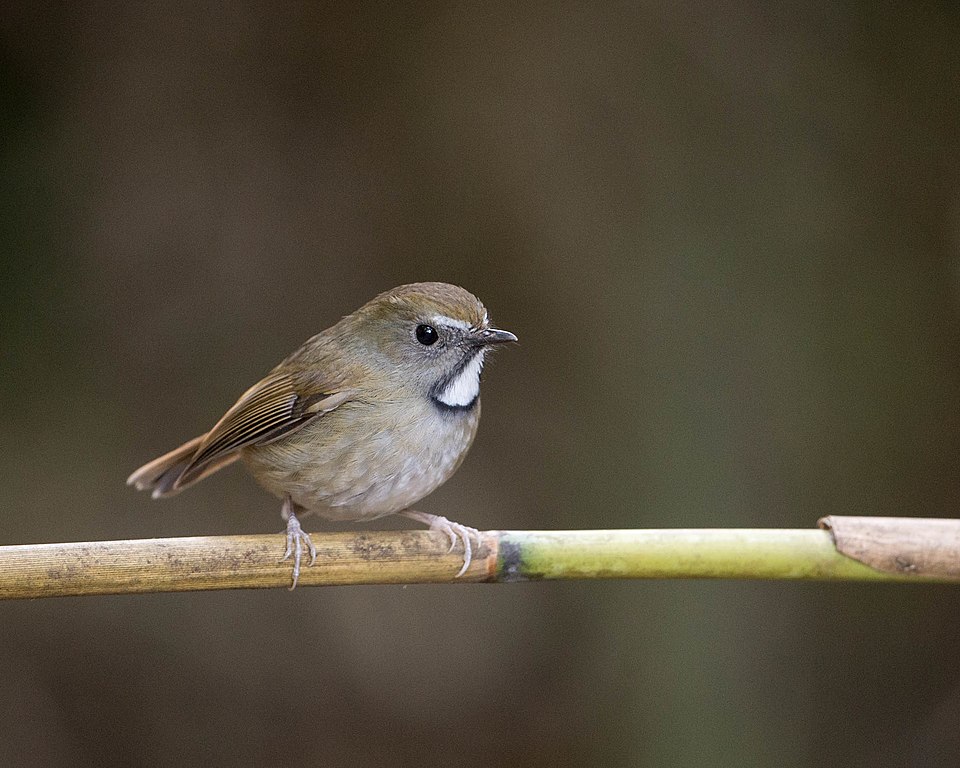
The Itombwe Flycatcher is a small bird, measuring approximately 12 to 14 centimeters in length. It possesses a dull brown upper body with subtle streaking that helps it blend seamlessly into its forest surroundings. Its underparts are lighter, with a buff or pale white chest and belly, providing a slight contrast to its darker upperparts. The wings and tail are also brown, with the wings sometimes exhibiting faint bars that can be observed at close range.
Juveniles resemble adults but feature more pronounced streaking and a slightly duller overall coloration. This plumage provides additional camouflage during their vulnerable early life stages. Differences between males and females are minimal, making visual sex differentiation challenging in the field without close observation.
In flight, the Itombwe Flycatcher demonstrates agile maneuvers, characteristic of many flycatcher species. Its silhouette is compact, with a relatively short tail and rounded wings, optimizing it for quick, darting flights as it captures insects mid-air. When perched, it often adopts an upright posture, sitting still on a branch before launching into a brief flight to catch prey. This behavior, coupled with its plumage, aids in its identification amidst the dense foliage of its habitat.
Having trouble telling birds apart? Upload a photo to our bird identification tool for an instant species match.
Itombwe Flycatcher Habitat and Range
Preferred Habitat
The Itombwe Flycatcher inhabits dense, moist montane forests, primarily within the Itombwe Mountains of the eastern Democratic Republic of the Congo. These forests offer a complex understory and canopy structure that provides both food resources and protection from predators. The bird is typically found at elevations ranging from 1,800 to 2,500 meters, where cooler temperatures and high humidity levels prevail.
Within these montane environments, the Itombwe Flycatcher favors areas with abundant insect life, such as clearings, forest edges, and gaps in the canopy created by fallen trees. These microhabitats provide ideal conditions for foraging. The flycatcher rarely ventures into urban areas, maintaining a strong preference for undisturbed forest environments.
Seasonal habitat shifts may occur, especially in response to climatic changes that affect food availability. During periods of heavy rainfall, the bird may move to higher elevations or areas with denser canopy cover to exploit temporary insect abundance. This adaptability highlights the bird's reliance on the dynamic nature of its forest habitat.
Geographic Range
The Itombwe Flycatcher's range is highly restricted, being endemic to the Itombwe Mountains in the eastern Democratic Republic of the Congo. This limited distribution makes it one of the more challenging flycatchers to observe in the wild. The bird is non-migratory, residing year-round in its montane forest habitat, although it may exhibit altitudinal movements in response to seasonal changes in food availability and climate conditions.
The Itombwe Mountains, part of the Albertine Rift, host a rich array of endemic species, with the Itombwe Flycatcher being one of the notable avian inhabitants. Despite its restricted range, the population density of the flycatcher remains low, and it is considered rare compared to other regional flycatchers. The bird's presence in this biodiverse region underscores the ecological significance of the area and the need for targeted conservation efforts to preserve its unique habitats.
The Itombwe Flycatcher's limited range and specialized habitat requirements make it particularly vulnerable to environmental changes and human activities. Continued habitat degradation and deforestation pose significant threats, highlighting the urgency of conservation measures to secure the future of this and other endemic species in the region.
Want to know which birds visit your area? Browse our backyard birds by location guides for region-specific species lists.
What Does the Itombwe Flycatcher Eat?
The diet of the Itombwe Flycatcher primarily consists of insects, making it an important insectivore within its ecosystem. It preys upon a variety of insects, including flies, beetles, and caterpillars, which it captures through agile aerial sallies and gleaning from foliage. This bird's foraging technique involves perching quietly before launching into short flights to snatch prey mid-air or off leaves and branches.
Seasonal changes influence the flycatcher's diet, with shifts in prey availability leading to adjustments in foraging behavior. During the wet season, when insect activity peaks, the Itombwe Flycatcher enjoys an abundance of food, allowing it to support its energy needs and those of its offspring. This seasonal abundance is crucial for the bird's breeding success, as it coincides with increased nutritional demands.
The size of prey captured by the Itombwe Flycatcher varies, but it typically targets small to medium-sized insects that can be easily handled and consumed. Feeding occurs throughout the day, with peak activity during the cooler morning and late afternoon hours when insect activity is high. This feeding schedule helps the bird avoid the heat of midday while maximizing energy intake.
Itombwe Flycatcher Behavior and Social Structure
The Itombwe Flycatcher exhibits a solitary and territorial behavior, often defending its chosen area from other flycatchers and similar insectivorous birds. During the breeding season, its territorial nature becomes more pronounced, with males actively patrolling boundaries to ward off intruders. This behavior ensures that sufficient resources are available for rearing young.
Courtship displays involve aerial chases and vocalizations, allowing males to showcase their fitness to potential mates. These displays are crucial for pair formation and successful mating. Once a pair bond is established, the pair collaborates in nest-building and rearing of the young, although the division of parental duties can vary.
In response to predators, the Itombwe Flycatcher employs rapid, erratic flights to evade capture and may use alarm calls to alert nearby birds. Its daily activity patterns are closely tied to environmental conditions, with active foraging during cooler parts of the day and reduced activity during extreme weather. Flocking behavior is uncommon outside of the breeding season, as the bird typically maintains a solitary lifestyle, focusing on territorial maintenance and resource acquisition.
Itombwe Flycatcher Nesting and Reproduction
The Itombwe Flycatcher constructs an open cup nest, intricately woven from natural materials such as moss, leaves, and spider silk, which provide both camouflage and structural integrity. Nests are typically situated in the fork of a tree branch or within dense foliage, offering protection from predators and the elements.
Clutch size ranges from two to three eggs, with both parents sharing incubation duties. This cooperative effort ensures optimal temperature regulation and protection of the developing embryos. The incubation period lasts approximately 14 to 16 days, after which the chicks hatch altricial and dependent on parental care.
Fledging occurs about two to three weeks post-hatching, during which time the young birds are fed a steady diet of insects to support their rapid growth. Parental roles involve both feeding and teaching the fledglings essential survival skills, such as foraging and predator avoidance. Typically, the Itombwe Flycatcher produces one brood per year, aligning its breeding cycle with the peak of food availability in its montane forest habitat.
Itombwe Flycatcher Sounds and Vocalizations
The primary song of the Itombwe Flycatcher is a series of short, melodious notes delivered in a rapid, rhythmic sequence. This song is often rendered as a high-pitched 'tsee-tsi-tsi-tsee,' resonating through the dense forest. The song serves both territorial and mate attraction purposes, with males vocalizing frequently during the breeding season.
Call notes are simpler and less musical, often consisting of short, sharp 'chip' sounds used in communication between mates or as alarm calls. These alarm calls are particularly useful in alerting other birds to the presence of potential threats, such as predators.
During the dawn chorus, the Itombwe Flycatcher's song blends with the symphony of other bird species, contributing to the rich acoustic environment of its montane forest habitat. This chorus plays a crucial role in dawn territorial displays and social interactions among birds.
Interesting Facts About the Itombwe Flycatcher
- 1The Itombwe Flycatcher is named after the Itombwe Mountains, highlighting its close association with this unique region.
- 2Despite being described relatively recently, the Itombwe Flycatcher has already captured the attention of birders due to its rarity.
- 3The flycatcher's choice of nesting sites in tree forks or dense foliage provides excellent concealment from predators.
- 4Its primary song, a rapid series of notes, serves not only to attract mates but also to define its territory in the dense forest.
- 5The Itombwe Flycatcher plays a vital ecological role by controlling insect populations and supporting forest health.
- 6Its restricted range makes it one of the more challenging flycatchers to observe, drawing interest from birdwatchers worldwide.
- 7The species' presence in the biodiverse Albertine Rift highlights the importance of this area for global biodiversity conservation.
Itombwe Flycatcher Conservation Status
Currently, the IUCN lists the Itombwe Flycatcher as a species of Least Concern, but its population trend appears to be decreasing. The primary threats to this bird include habitat destruction due to logging, agricultural expansion, and human settlement. These activities lead to the fragmentation and degradation of its montane forest habitat, posing significant risks to its long-term survival. Conservation efforts focus on habitat protection and the establishment of protected areas within the Itombwe Mountains to preserve the rich biodiversity of the region. Continued monitoring of population trends and habitat quality is critical to ensure the effective conservation of the Itombwe Flycatcher and its ecosystem. Historically, the Itombwe Flycatcher has likely experienced fluctuations in population size due to natural and anthropogenic factors. However, with ongoing conservation initiatives, there is hope for stabilizing and possibly increasing its numbers, safeguarding its future in the wild.
Other Muscicapidae Species


Birds Similar to the Itombwe Flycatcher
These species are often confused with the Itombwe Flycatcher due to similar appearance or overlapping range.
