
New Holland Flycatcher
Muscicapa novaehollandiae
Order: Passeriformes / Family: Muscicapidae

Wikimedia Commons
About the New Holland Flycatcher
The New Holland Flycatcher, scientifically recognized as Muscicapa novaehollandiae, is a small but captivating bird species belonging to the family Muscicapidae. This species is an exemplary representation of the diverse avian life found primarily in Australia. These flycatchers are predominantly distributed across the eastern and southeastern parts of Australia, including Tasmania, thriving in a variety of habitats ranging from coastal forests to urban parklands. Their presence is not just limited to wilderness areas; they are frequently observed in suburban gardens, adding a touch of wild beauty to human surroundings.
The ecological significance of the New Holland Flycatcher is profound, as it plays a crucial role in insect population control. Its diet consists largely of insects, which it adeptly captures using a variety of foraging techniques, including aerial sallies and hover gleaning. This predatory behavior helps maintain the balance of ecosystems by managing insect populations, thus benefiting agricultural areas by naturally controlling pest species.
Seasonally, the New Holland Flycatcher exhibits some movement patterns, although it is not considered a strong migratory species. In the colder months, some individuals may move to lower elevations or coastal regions in search of more abundant food supplies. However, many populations remain relatively sedentary throughout the year, with their territorial behaviors becoming more pronounced during the breeding season.
The significance of the New Holland Flycatcher in its native regions is underscored by its adaptability to various environments and its role in ecological balance. These birds are also a delight to birdwatchers and naturalists, who admire their active foraging behavior and distinctive vocalizations, which contribute to the avian soundscape of their habitats.
The New Holland Flycatcher belongs to the family Muscicapidae, within the order Passeriformes. These birds typically live typically 3-4 years, with a maximum recorded of 6 years..
How to Identify a New Holland Flycatcher
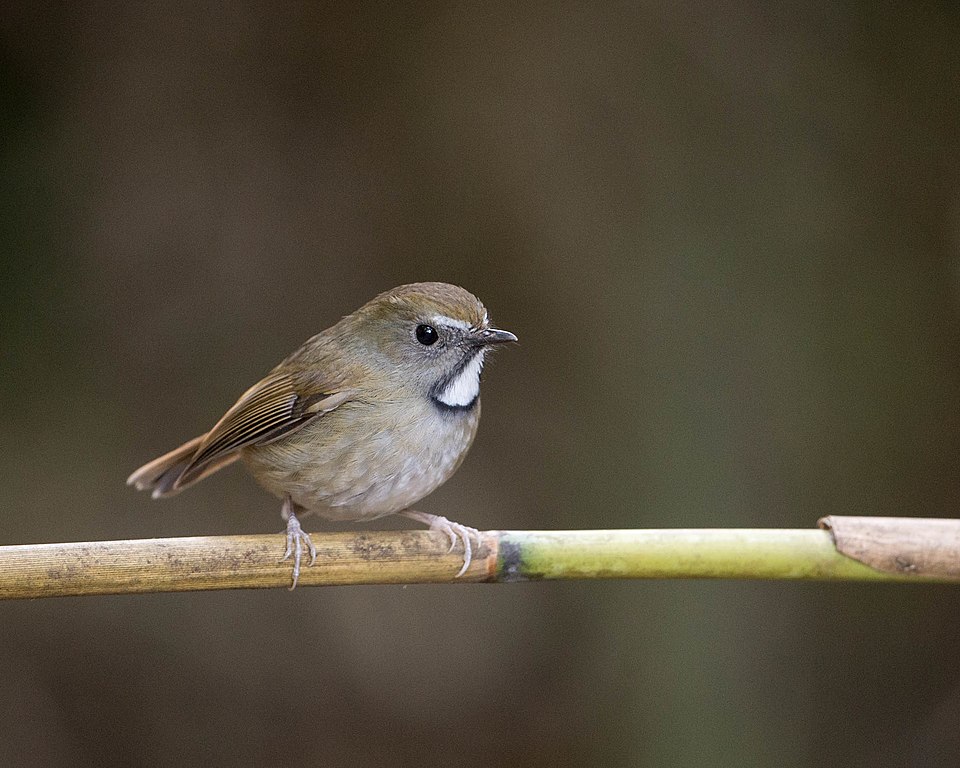
The New Holland Flycatcher is a small bird, approximately 16-17 cm in length, marked by its striking plumage. The adult male is predominantly black and white, with a glossy black head, throat, and upperparts, while the underparts are white. The wings display distinctive white patches, easily visible during flight. Females and juveniles tend to have a more subdued coloration, with brownish tones replacing the males' stark black, though they share the white underparts and wing patches.
During field observations, one should note the bird's active foraging behavior, as it frequently flits about catching insects on the wing. The New Holland Flycatcher's flight silhouette is characterized by quick, agile movements and a slightly rounded tail. When perched, it often exhibits an upright posture, with a slight forward tilt as it scans for prey.
This flycatcher might be confused with other small passerines, such as the Willie Wagtail, but the latter lacks the New Holland's distinct wing patches and has a more pronounced, wagging tail behavior. The New Holland Flycatcher's unique combination of black, white, and active foraging habits provides reliable identification markers, even at a distance.
Having trouble telling birds apart? Upload a photo to our bird identification tool for an instant species match.
New Holland Flycatcher Habitat and Range
Preferred Habitat
The New Holland Flycatcher occupies a diverse range of habitats across its geographical distribution. Predominantly found in open forests and woodlands, it thrives in areas where dense foliage and open spaces are interspersed, providing ample foraging opportunities. These birds are commonly observed in coastal heathlands and mangroves as well, which offer rich insect populations.
Their adaptability extends to urban environments, where they frequent parks and gardens, taking advantage of the fragmented forest habitats in suburban areas. In terms of elevation, the New Holland Flycatcher is mostly found at low to mid-elevations, although some populations may venture into higher altitudes during the breeding season.
Seasonal habitat shifts are minimal for this species, though during the winter months, some populations may move closer to coastal areas or lower elevations, where food sources remain more abundant. This ability to utilize both natural and human-altered landscapes speaks to their resilience and adaptability.
Geographic Range
The New Holland Flycatcher is primarily distributed throughout eastern and southeastern Australia, including the island of Tasmania. Its breeding range encompasses a variety of landscapes within this region, from the coastal areas of New South Wales to the temperate forests of Victoria and the eastern parts of South Australia.
During the non-breeding season, the flycatcher's range remains relatively stable, though some southern populations may undertake short-distance movements to milder climates or areas with more abundant food supplies. This results in a slightly expanded presence in coastal regions during the austral winter.
While the flycatcher is not considered a long-distance migratory species, its range does include some notable population density hotspots. These include the woodlands and forests around Melbourne and Sydney, where suitable habitats are plentiful. In Tasmania, the flycatcher is widespread, particularly in the eastern parts of the island, where diverse habitats support its breeding and foraging needs.
Want to know which birds visit your area? Browse our backyard birds by location guides for region-specific species lists.
What Does the New Holland Flycatcher Eat?
The New Holland Flycatcher primarily feeds on insects, which it captures using several adept foraging techniques. Its diet includes a variety of flying insects such as moths, flies, and beetles. During the breeding season, they may consume a higher proportion of insects to meet the increased energy demands of raising young.
Seasonal diet variations are observed, with a greater reliance on soft-bodied insects such as caterpillars and larvae during the spring and summer months. This is when these prey items are more abundant and provide a rich source of protein essential for chick development.
Foraging techniques employed by the New Holland Flycatcher include aerial sallies, where the bird actively pursues flying insects in mid-air, and hover gleaning, where it hovers near foliage to pick insects from leaves or bark. The size of prey typically ranges from 5 to 15 mm, accommodating the bird's small bill and agile flight capacity. Feeding occurs throughout the day, with peak activity often observed in the early morning and late afternoon.
New Holland Flycatcher Behavior and Social Structure
New Holland Flycatchers exhibit a complex array of behaviors that reflect their adaptability and ecological role. These birds are generally solitary or found in pairs, especially during the breeding season, when they become highly territorial. Males often engage in aggressive displays to defend their territory, using vocalizations and aerial displays to deter potential intruders.
Courtship displays are characterized by the male's rhythmic singing and physical displays, such as wing fluttering and tail fanning, to attract a mate. Once paired, both partners participate in nest building and the rearing of young, showcasing a cooperative breeding strategy.
The New Holland Flycatcher is primarily active during daylight hours, with peak foraging activity occurring in the early morning and late afternoon. Their response to predators includes alarm calls and evasive flight maneuvers, designed to thwart attacks from aerial predators. Despite their territorial nature during breeding, these flycatchers may form loose flocks in the non-breeding season, particularly in areas with abundant food resources.
New Holland Flycatcher Nesting and Reproduction
The nesting habits of the New Holland Flycatcher involve constructing cup-shaped nests made from various plant materials. These nests are typically located in the forks of branches or dense shrubbery, often at heights ranging from 1 to 5 meters above the ground. The nest construction involves both male and female partners, using grasses, bark strips, and spider webs to create a secure structure.
Clutch size generally consists of 2 to 4 eggs, which are incubated predominantly by the female for about 14 days. During this period, the male assists by providing food and protecting the territory. After hatching, the chicks are altricial, requiring constant care and feeding from both parents.
The fledging period lasts approximately 14 days, after which the young birds become more independent, though they may remain in the vicinity of the nest for additional weeks, honing their foraging skills under the watchful eyes of their parents. The New Holland Flycatcher typically raises one or two broods per year, with the second brood often timed to coincide with peak insect availability.
New Holland Flycatcher Sounds and Vocalizations
The vocal repertoire of the New Holland Flycatcher includes a primary song characterized by a series of clear, melodious notes delivered in a rapid sequence. The rhythm is often described as a lively warble, with variations in pitch and tone that can make it a prominent feature in the soundscape of its habitat.
In addition to its song, the flycatcher produces a variety of call notes, including sharp, high-pitched 'tseet' or 'chip' sounds used for communication between mates or as contact calls with fledglings. Alarm calls are more urgent and rapid, serving to alert other birds of potential danger.
At dawn, the New Holland Flycatcher contributes to the chorus with its vibrant song, often competing with other avian species to establish its presence and territory. The clarity and musical quality of its song can be likened to the sounds of a flute, making it a delightful subject for birdwatchers and naturalists alike.
Interesting Facts About the New Holland Flycatcher
- 1The New Holland Flycatcher can hover like a hummingbird when foraging for insects, showcasing impressive flight agility.
- 2Despite its name, the New Holland Flycatcher is not related to the true flycatchers of the genus Muscicapa, highlighting the complexities of avian taxonomy.
- 3The New Holland Flycatcher was first described in 1801 by English ornithologist John Latham, who was instrumental in documenting Australian bird species.
- 4These birds are known to be quite vocal, with males singing vigorously from exposed perches to defend their territory during the breeding season.
- 5In urban areas, New Holland Flycatchers are frequent visitors to gardens with dense shrubs, where they find ample cover and food resources.
- 6The New Holland Flycatcher's distinctive white wing patches make it easy to identify in flight, even at a distance.
- 7This species has adapted well to human-altered landscapes, often thriving in fragmented habitats where other species may struggle.
New Holland Flycatcher Conservation Status
The New Holland Flycatcher is currently listed as Least Concern by the IUCN, with stable population trends across its range. Despite its relatively secure status, the species faces threats from habitat loss due to urban expansion and agricultural development, which can lead to fragmentation of its preferred habitats. Conservation efforts focus on preserving and restoring suitable habitats, particularly in areas undergoing rapid development. Protected areas and national parks within its range provide crucial refuges for maintaining population stability. Historical population trends have shown resilience, with the species adapting to a variety of environments, from urban gardens to open forests. Continued monitoring of population dynamics and habitat conditions is essential to ensure the long-term viability of the New Holland Flycatcher, as changes in land use and climate could impact its distribution and abundance in the future.
Other Muscicapidae Species


Birds Similar to the New Holland Flycatcher
These species are often confused with the New Holland Flycatcher due to similar appearance or overlapping range.
