
Northern Rough-winged Swallow
Stelgidopteryx serripennis
Order: Passeriformes / Family: Hirundinidae

Wikimedia Commons
About the Northern Rough-winged Swallow
The Northern Rough-winged Swallow (Stelgidopteryx serripennis) is a small passerine bird that belongs to the Hirundinidae family. It is widely distributed across North America, favoring open habitats such as fields, riverbanks, and urban areas. Characterized by its brown upperparts and a distinctive serration on the leading edge of its primary feathers, this species is a common sight during the warmer months. The swallow plays a significant ecological role as an insectivore, helping control populations of flying insects. During the breeding season, which typically spans from April to August, the Northern Rough-winged Swallow is often seen in small colonies or solitary pairs. It nests in cavities, often using burrows in banks or man-made structures like drainage pipes. Its presence across a variety of landscapes underscores its adaptability and ecological importance. In terms of seasonal behaviors, this swallow is known for its migratory patterns. It breeds throughout much of the United States and southern Canada, migrating to Central America and the northern parts of South America for the winter. During migration, these swallows can be seen in large flocks, sometimes mixed with other swallow species. Their adaptability to different environments, including urban settings, highlights their resilience in the face of habitat changes. The Northern Rough-winged Swallow's ecological role extends beyond insect control; it is also a vital part of the food web, serving as prey for raptors and other larger predators. Its ability to thrive in disturbed environments makes it an important indicator species for ecological health in both rural and urban settings.
The Northern Rough-winged Swallow belongs to the family Hirundinidae, within the order Passeriformes. These birds typically live average lifespan is 2-5 years, with a maximum recorded of 9 years..
How to Identify a Northern Rough-winged Swallow
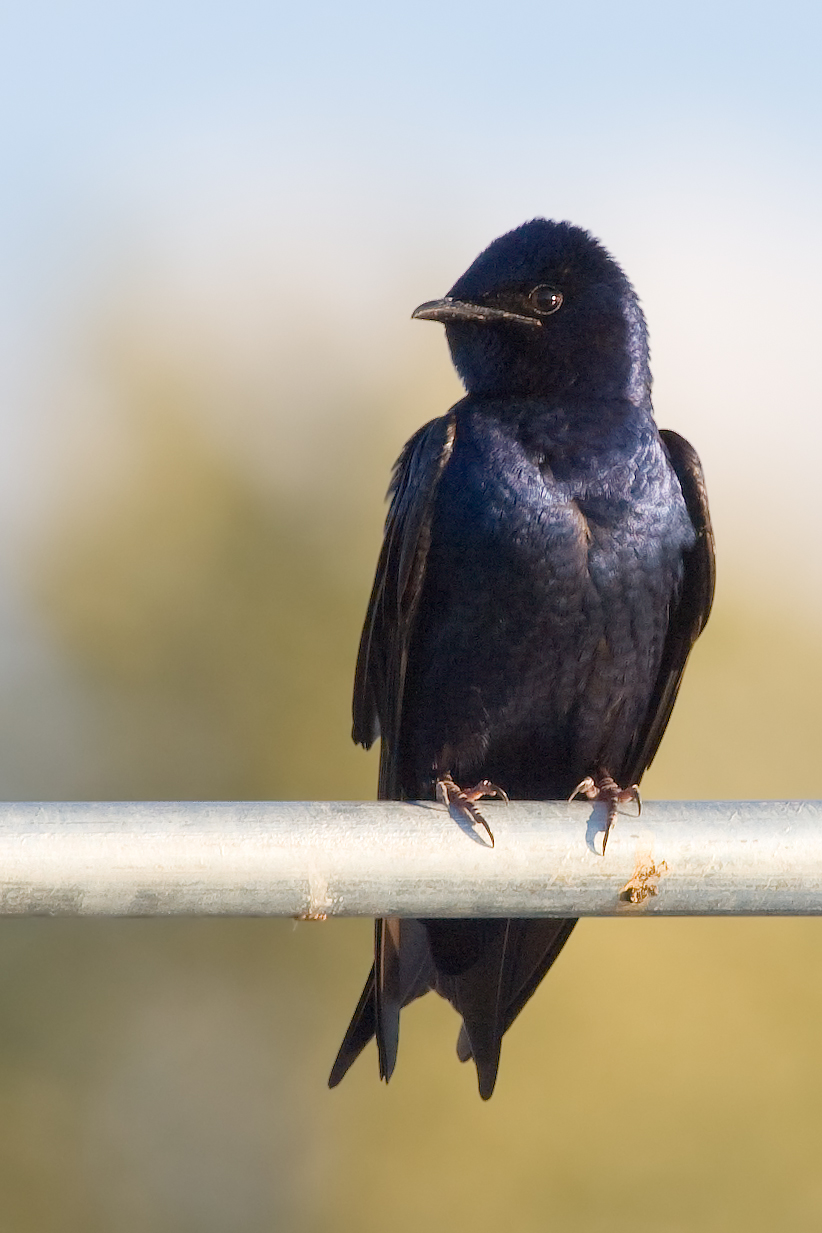
The Northern Rough-winged Swallow is a small bird, measuring about 13-15 cm in length, with a wingspan of 26-30 cm. Both males and females display similar plumage, which is predominantly brown above and lighter below. Adult swallows have a distinctive rough texture on the outermost primary feathers, giving the species its name. This feature, however, is not always visible in the field. Juveniles resemble adults but may appear slightly duller. Unlike many other swallows, the Northern Rough-winged Swallow lacks the iridescent colors seen in species like the Tree Swallow. Instead, its brown and white plumage provides camouflage against the earthen banks where it often nests. In flight, the swallow exhibits a slightly fluttering wingbeat and a shallow, direct flight path. When perched, it often sits alone or in small groups on wires or branches, maintaining an upright posture. Confusion with the Bank Swallow is possible, but the latter has a distinct breast band and more contrasting coloration, while the Northern Rough-winged Swallow has a more uniform appearance.
Having trouble telling birds apart? Upload a photo to our bird identification tool for an instant species match.
Northern Rough-winged Swallow Habitat and Range
Preferred Habitat
The Northern Rough-winged Swallow occupies a variety of habitats, primarily open and semi-open environments. It is commonly found along rivers, lakes, and streams where it can forage for insects. Elevations range from sea level to about 2,400 meters in mountainous regions. In urban areas, it readily adapts to parks, golf courses, and landscaped settings. During breeding season, the swallow shows a preference for habitats with suitable nesting sites, such as banks with exposed soil or human-made structures like bridges and culverts. Seasonal habitat shifts are minimal, as the species is highly adaptable, but it does vacate northern breeding grounds in winter.
Geographic Range
The breeding range of the Northern Rough-winged Swallow extends across much of the United States and southern Canada, from the Pacific to the Atlantic, and as far north as southern Alaska in some regions. In winter, it migrates to Central America and the northern parts of South America, including countries like Mexico, Guatemala, and Colombia. Migration corridors often follow river valleys and coastlines, where the swallows can find abundant food resources. During fall and spring, large flocks can be observed moving through areas such as the Gulf Coast and the Great Plains.
Want to know which birds visit your area? Browse our backyard birds by location guides for region-specific species lists.
What Does the Northern Rough-winged Swallow Eat?
The diet of the Northern Rough-winged Swallow primarily consists of flying insects, including flies, beetles, and moths. During the breeding season, it is particularly reliant on aquatic and semi-aquatic insects, which it catches in flight over water bodies. Insects such as mayflies and caddisflies form a significant part of the diet. As seasons change, the swallow may adjust its foraging areas, moving from aquatic environments to open fields where it can capture terrestrial insects. This bird employs a technique known as hawking, where it skillfully maneuvers through the air to snatch prey mid-flight. Feeding typically occurs throughout the day, with peak activity in the morning and late afternoon.
Northern Rough-winged Swallow Behavior and Social Structure
The Northern Rough-winged Swallow is generally solitary or found in small groups, especially during the breeding season. Unlike some swallows, it does not form large colonies, often preferring isolated nesting sites. During courtship, males perform aerial displays, showcasing their agility. Territorial behavior is minimal, with pairs often nesting relatively close to one another without conflict. Flocking behavior becomes more pronounced during migration, when these swallows join other species in large, mixed-species groups. When threatened by predators such as hawks, the swallows emit alarm calls and engage in evasive flight patterns. Daily activity patterns revolve around foraging, with birds spending much of their time in the air searching for insects.
Northern Rough-winged Swallow Nesting and Reproduction
The Northern Rough-winged Swallow typically nests in cavities, often in burrows dug into banks near water. It also utilizes man-made structures, such as pipes and crevices in buildings. The nest itself is a simple cup made of grasses, feathers, and plant fibers. Clutch size ranges from 4 to 8 eggs, with 5 or 6 being most common. The female incubates the eggs for about 12 to 16 days, while both parents participate in feeding the chicks. Fledging occurs roughly 18 to 22 days after hatching. Generally, this species raises one brood per year, although in optimal conditions, a second brood may be attempted.
Northern Rough-winged Swallow Sounds and Vocalizations
The vocalizations of the Northern Rough-winged Swallow include a series of soft, low-pitched notes, often described as a rough 'brrt' or 'bzzt' sound. Its calls are less melodious compared to other swallows, serving primarily as contact calls and alerts. During the dawn chorus, the swallow's calls blend into the background, lacking the musical quality of other songbirds. Alarm calls are slightly more insistent, with a sharper pitch to warn of approaching danger. Overall, the swallow's vocalizations are understated but effective in maintaining communication within small groups.
Interesting Facts About the Northern Rough-winged Swallow
- 1The serrations on the Northern Rough-winged Swallow's wing feathers are unique among North American swallows.
- 2This species often nests in drainage pipes and other artificial structures, showcasing its adaptability.
- 3A group of swallows is called a 'flight' when in the air and a 'sord' when on the ground.
- 4Northern Rough-winged Swallows can catch and consume hundreds of insects in a single day.
- 5Unlike many swallows, the Northern Rough-winged Swallow does not form large, dense colonies.
- 6During migration, these swallows can travel over 1,000 kilometers from their breeding grounds.
- 7This species is one of the earliest swallows to return to northern breeding areas in spring.
Northern Rough-winged Swallow Conservation Status
Currently, the Northern Rough-winged Swallow is listed as Least Concern by the IUCN, with populations considered stable. Key threats include habitat destruction and pollution, particularly in breeding areas near water. Conservation efforts focus on preserving natural habitats and ensuring clean water bodies. Historically, the population has been resilient to moderate urbanization, partly due to its ability to utilize human-made structures for nesting. Continued monitoring is necessary to detect any potential declines, especially in areas experiencing significant environmental change.
Other Hirundinidae Species


Birds Similar to the Northern Rough-winged Swallow
These species are often confused with the Northern Rough-winged Swallow due to similar appearance or overlapping range.
