
Olivaceous Flycatcher
Muscicapa olivascens
Order: Passeriformes / Family: Muscicapidae

Wikimedia Commons
About the Olivaceous Flycatcher
The Olivaceous Flycatcher, scientifically known as Muscicapa olivascens, is a member of the Muscicapidae family and displays a characteristic olive-green hue that allows it to blend seamlessly into its woodland habitat. This small passerine bird is found primarily in the dense forests and wooded areas across Southeast Asia, including regions like Thailand, Malaysia, and Indonesia. The Olivaceous Flycatcher plays a crucial role in its ecosystem by controlling insect populations. Its presence in the understory of forests is indicative of healthy, biodiverse environments.
The bird's ecological significance extends to its role as a prey species for larger birds, contributing to the local food web. The Olivaceous Flycatcher is an insectivore that helps maintain the balance of insect populations, particularly during the breeding season when its dietary needs increase. As an indicator species, the presence of Muscicapa olivascens is often used by conservationists to assess the health of forest ecosystems. Its sensitivity to habitat degradation makes it a valuable species for monitoring environmental changes.
Seasonally, the Olivaceous Flycatcher exhibits some migratory behavior, albeit limited compared to long-distance migrants. It may undertake altitudinal migrations depending on food availability and climatic conditions. During the breeding season, it becomes more territorial and active, often seen chasing insects with precision. Outside the breeding season, it may join mixed-species flocks, which offers added protection and increased foraging efficiency. The adaptability of the Olivaceous Flycatcher to different forest types, from lowland rainforests to montane forests, highlights its versatility and resilience, although it remains vulnerable to extensive habitat loss.
The Olivaceous Flycatcher belongs to the family Muscicapidae, within the order Passeriformes. These birds typically live typically 3-5 years, with some individuals living up to 7 years..
How to Identify a Olivaceous Flycatcher
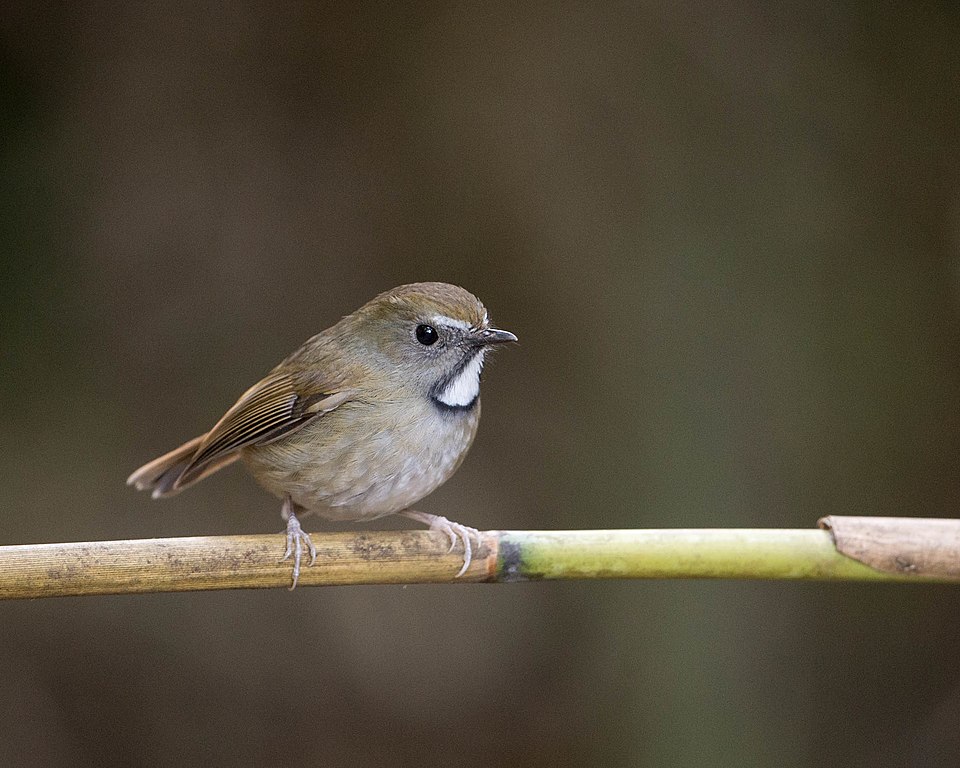
Adult Olivaceous Flycatchers exhibit a subtle olive-green plumage that is most vivid on their back and wings. Their underparts are lighter, ranging from pale gray to a soft buff color, which provides a gentle contrast to their darker upper parts. The bird's small size, typically around 13 centimeters in length, and its delicate build with a relatively long tail and wings, aid in its agile flight.
Juvenile Olivaceous Flycatchers resemble adults but may display a slightly duller plumage with less distinct coloring. They might also have faint streaking on their breasts, which fades as they mature. There is little sexual dimorphism in this species, with males and females appearing almost identical to the casual observer.
In terms of field identification, it is crucial to note the bird's behavior and habitat. The Olivaceous Flycatcher can be confused with other small flycatchers, such as the Asian Brown Flycatcher, but its distinctive olive coloration and preference for dense forest environments can help distinguish it. When perching, it often adopts an upright posture, flicking its tail and wings intermittently, a behavior typical of the species.
Having trouble telling birds apart? Upload a photo to our bird identification tool for an instant species match.
Olivaceous Flycatcher Habitat and Range
Preferred Habitat
The Olivaceous Flycatcher thrives in a variety of forest habitats, ranging from lowland tropical rainforests to montane forests up to elevations of 2000 meters. These birds favor dense, moist environments where insect prey is abundant. In countries such as Malaysia and Indonesia, they are commonly found in primary and secondary forests.
During the breeding season, they remain within densely wooded areas, taking advantage of the thick canopy cover for nesting and foraging. In contrast, non-breeding individuals might be seen in more open wooded areas or forest edges, reflecting a slight habitat shift. Although primarily a forest-dwelling species, the Olivaceous Flycatcher occasionally ventures into urban parks and gardens that mimic its natural habitat, provided there is sufficient tree cover.
Geographic Range
The Olivaceous Flycatcher's range is primarily concentrated in Southeast Asia. It breeds in countries such as Thailand, Malaysia, and Indonesia, where suitable forest habitats are prevalent. The bird's range extends to parts of the Philippines and the Greater Sunda Islands, including Sumatra and Borneo, which are known for their rich biodiversity.
Migration patterns for the Olivaceous Flycatcher are not as pronounced as in other flycatcher species, but some populations may exhibit local movements in response to seasonal changes in food availability. During the non-breeding season, the bird might be found at lower elevations or in adjacent regions that provide adequate resources.
High population densities are typically found in areas of undisturbed primary forest, where the rich insect life supports their dietary needs. Despite this, habitat fragmentation and deforestation have led to localized declines, making conservation of its range habitats essential for the species' continued survival.
Want to know which birds visit your area? Browse our backyard birds by location guides for region-specific species lists.
What Does the Olivaceous Flycatcher Eat?
The Olivaceous Flycatcher primarily feeds on a diverse array of insects, including flies, beetles, and moths, which it catches mid-air in a display of agility and precision. This insectivorous diet is supplemented by occasional small spiders and other arthropods, ensuring a balanced intake. During the breeding season, the demand for protein-rich food increases, and the bird may focus on larger prey items to meet the nutritional needs of its chicks.
Foraging typically occurs in the lower to mid-canopy levels, where the bird employs a sit-and-wait strategy, often returning to the same perch after short flights to capture prey. This behavior allows the Olivaceous Flycatcher to conserve energy while maintaining a high success rate in hunting.
Seasonal variations in diet are influenced by the availability of prey, with the bird adjusting its foraging habits to exploit peak insect populations. Feeding activity peaks during the cooler parts of the day, such as early morning and late afternoon, aligning with the heightened activity of many insects.
Olivaceous Flycatcher Behavior and Social Structure
The Olivaceous Flycatcher exhibits a solitary lifestyle during the breeding season, with pairs fiercely defending their territories against intruders. This territoriality is marked by vocal displays and occasional aerial chases to ward off rivals. Courtship involves a series of calls and displays by both sexes, which may include wing-flicking and short flights around the perching area to establish pair bonds.
Outside the breeding season, the Olivaceous Flycatcher may become more social, joining mixed-species flocks that enhance foraging efficiency and protection against predators. These flocks can include a variety of insectivorous birds, providing mutual benefits in terms of increased vigilance and resource discovery.
Throughout the day, the Olivaceous Flycatcher is most active during dawn and dusk, spending the intervening hours in the canopy, resting or engaging in less intensive foraging. When threatened, the bird responds with alarm calls and may take shelter in dense foliage to evade predators. Its understated plumage provides an effective camouflage against potential threats.
Olivaceous Flycatcher Nesting and Reproduction
The Olivaceous Flycatcher constructs its nest in tree branches, often choosing a site well-concealed by foliage to protect against predators. The nest itself is a compact cup made from twigs, grass, and other plant materials, sometimes incorporating spider webs to bind the structure and provide flexibility.
Typically, the bird lays a clutch of two to three eggs, which are incubated primarily by the female for about 12 to 14 days. During this period, the male plays a crucial role in providing food and protection, ensuring the female can remain on the nest.
Once hatched, the chicks are altricial and require extensive care. Both parents participate in feeding and brooding the young, which fledge after approximately 14 to 16 days. The species is known for having one to two broods per year, depending on environmental conditions and food availability.
Olivaceous Flycatcher Sounds and Vocalizations
The Olivaceous Flycatcher's song consists of a series of soft, melodious whistles that rise and fall in pitch, often described as sweet and clear. These vocalizations serve as both territorial calls and courtship displays, and are most frequently heard at dawn.
In addition to their primary song, these flycatchers emit a variety of call notes, including sharp chirps and slightly harsher alarm calls. These sounds play a critical role in communication, particularly in alerting others to the presence of predators or other threats.
The dawn chorus, a period of heightened vocal activity, is particularly notable as the Olivaceous Flycatcher joins other forest birds in a symphony that announces the start of a new day. This behavior underscores the bird's role in the acoustic landscape of its habitat.
Interesting Facts About the Olivaceous Flycatcher
- 1The Olivaceous Flycatcher is often mistaken for the Asian Brown Flycatcher due to their similar size and shape, but its olive-green coloration sets it apart.
- 2This species demonstrates remarkable agility in flight, capable of making swift aerial maneuvers to catch insects.
- 3Olivaceous Flycatchers typically return to the same perch after hunting, using it as a vantage point for spotting prey.
- 4Despite being a solitary bird during breeding, the Olivaceous Flycatcher participates in mixed-species flocks outside this period.
- 5The nesting materials of the Olivaceous Flycatcher often include spider webs, which provide elasticity and strength to the nest structure.
- 6In regions with pronounced seasonal changes, the Olivaceous Flycatcher may undertake altitudinal migrations to track food availability.
- 7Their soft, melodious song is a distinctive feature of the dawn chorus in the forests they inhabit.
Olivaceous Flycatcher Conservation Status
Currently, the Olivaceous Flycatcher holds a status of Least Concern on the IUCN Red List, indicating a relatively stable population overall. However, this status belies the challenges the species faces, particularly habitat loss due to deforestation and land conversion in Southeast Asia. Conservation efforts are focused largely on preserving and rehabilitating forest habitats, which are critical for the survival of the Olivaceous Flycatcher and countless other species. Protected areas and national parks play a key role in these efforts, offering refuge and sustaining the ecological conditions necessary for the species' survival. In some regions, local population declines have been noted, highlighting the importance of continued monitoring and habitat conservation to prevent more widespread issues. Historical data suggest that while the population remains stable, it is essential to address ongoing threats to ensure the long-term viability of Muscicapa olivascens.
Other Muscicapidae Species


Birds Similar to the Olivaceous Flycatcher
These species are often confused with the Olivaceous Flycatcher due to similar appearance or overlapping range.

