
Sapphire Flycatcher
Ficedula sapphira
Order: Passeriformes / Family: Muscicapidae

Wikimedia Commons
About the Sapphire Flycatcher
The Sapphire Flycatcher, Ficedula sapphira, is a small passerine bird renowned for its vibrant blue coloration, particularly in males, which makes it a captivating sight in its natural habitat. This species belongs to the family Muscicapidae and is primarily found in the subtropical and tropical moist montane forests of Asia. With a range extending across the eastern Himalayas to southern China and northern Vietnam, the Sapphire Flycatcher thrives in dense, forested environments where it plays a crucial ecological role as an insect predator.
In terms of ecological significance, the Sapphire Flycatcher helps control insect populations, thus maintaining the health of forest ecosystems. By preying on a variety of insects, this bird contributes to the biodiversity and ecological balance within its habitat. Its presence serves as an indicator of forest health, as it requires well-preserved habitats to thrive.
During the breeding season, the Sapphire Flycatcher is known for its territorial behavior, establishing and defending its breeding grounds from rivals. Outside the breeding season, it may roam more widely, although it remains largely sedentary in its mountainous habitats. The bird's adaptability to different elevations within its range ensures its survival across diverse microhabitats, from dense undergrowth to the forest canopy.
The Sapphire Flycatcher's preference for montane forests makes it particularly sensitive to habitat destruction, particularly deforestation, which poses a significant threat to its populations. Conservation efforts are critical to preserve these habitats and ensure the survival of this species. The bird's striking appearance and ecological importance have made it a subject of interest among ornithologists and birdwatchers alike, who are keen to study its behaviors and contribute to its conservation.
The Sapphire Flycatcher belongs to the family Muscicapidae, within the order Passeriformes. These birds typically live average 3-5 years, with a maximum recorded of 7 years.
How to Identify a Sapphire Flycatcher
Identifying the Sapphire Flycatcher involves recognizing its vibrant plumage and distinctive features. Adult males display a striking deep blue coloration on the upper parts, with a contrasting orange throat and breast. Their underparts are generally lighter, completing a vivid appearance that sets them apart in their forested habitats. Females and juveniles, however, present a more subdued appearance, with olive-brown upperparts and paler underparts, making them less conspicuous than the males.
One must pay close attention to the bird's smaller size and its slender, agile build. Unlike some similar species, the Sapphire Flycatcher exhibits a more delicate and elongated silhouette, with a characteristic upright posture when perched. Its flight is swift and direct, often punctuated by short glides as it deftly maneuvers through the forest to catch insects.
Confusion with similar species can occur, but the Sapphire Flycatcher's unique combination of blue and orange in males, along with its distinctive vocalizations, aid in accurate identification. Observers should also note the bird's active foraging behavior and its tendency to frequent the middle to upper levels of the forest canopy, which can help distinguish it from other flycatchers that may occupy different niches.
Having trouble telling birds apart? Upload a photo to our bird identification tool for an instant species match.
Sapphire Flycatcher Habitat and Range
Preferred Habitat
The Sapphire Flycatcher predominantly inhabits subtropical and tropical moist montane forests, which offer the dense foliage and rich insect life it requires. These forests are typically found at elevations ranging from 1,200 to 3,000 meters, where the bird can exploit various forest layers from the understory to the canopy. Seasonal habitat shifts are minimal, as the species tends to remain in its montane environment year-round.
While primarily found in natural forest settings, the Sapphire Flycatcher's presence in rural areas that maintain substantial forest cover is possible. However, it is less likely to be found in urban environments, where suitable habitat conditions are often lacking. Conservation of montane forests is vital to the survival of this species, given its reliance on these specific habitats.
Geographic Range
The range of the Sapphire Flycatcher covers a significant portion of the eastern Himalayas, stretching across several countries in Asia. Its breeding and resident territories include regions in Nepal, Bhutan, and northeastern India, extending into Myanmar and southern China. In China, the bird is primarily found in the provinces of Yunnan and Sichuan.
The bird does not typically migrate long distances, opting instead for altitudinal movements within its range based on seasonal changes. It remains largely sedentary, with populations maintaining their presence in the same areas throughout the year. Population density hotspots are often associated with well-preserved montane forests, where the bird's ecological requirements are met.
Despite its relatively wide range, the Sapphire Flycatcher can be locally uncommon, with its distribution closely tied to the availability of suitable forest habitats. Fragmentation and deforestation in these areas pose significant threats, underscoring the importance of habitat conservation to ensure the bird's continued presence across its range.
Want to know which birds visit your area? Browse our backyard birds by location guides for region-specific species lists.
What Does the Sapphire Flycatcher Eat?
The diet of the Sapphire Flycatcher primarily consists of insects, which it skillfully captures in its forested habitat. As a flycatcher, it employs a variety of foraging techniques, including sallying from perches to snatch flying insects mid-air. This method involves short, agile flights that showcase the bird's aerial prowess and quick reflexes.
Secondary food sources may include small arthropods and occasionally berries or other plant material, particularly when insect availability fluctuates with the seasons. During the breeding season, the demand for food increases, prompting the bird to explore a wider range of food options to support its young.
Prey size typically includes small to medium-sized insects, which the Sapphire Flycatcher captures with precision. Its feeding schedule is diurnal, with peak foraging activity occurring in the early morning and late afternoon. This pattern allows the bird to take advantage of the most active insect periods, ensuring a consistent food supply.
Sapphire Flycatcher Behavior and Social Structure
The Sapphire Flycatcher exhibits a fascinating array of behaviors, particularly during the breeding season when its territorial instincts become pronounced. Males establish and defend territories with vigor, often engaging in vocal displays and aerial chases to deter rivals. These territorial displays are vital for securing prime nesting sites and attracting mates.
Socially, the Sapphire Flycatcher tends to be solitary or found in pairs, especially during the breeding season. Outside of this period, it may join mixed-species foraging flocks, which offer protection and increased foraging efficiency. The bird's response to predators includes a combination of alarm calls and evasive flight maneuvers, utilizing its agility to escape potential threats.
Daily activity patterns of the Sapphire Flycatcher include periods of intense foraging interspersed with rest and preening. The bird is most active during the cooler parts of the day, adapting its behavior to the temperature and light conditions of its montane forest habitat. Such adaptability ensures its survival in the diverse environmental conditions it encounters.
Sapphire Flycatcher Nesting and Reproduction
The nesting habits of the Sapphire Flycatcher are intricately linked to its montane forest environment. Nest construction typically occurs in concealed locations, such as tree forks or dense foliage, providing protection from predators and harsh weather. The nest itself is a cup-shaped structure, meticulously crafted from moss, grass, and spider webs, which offer both camouflage and stability.
A typical clutch consists of 3 to 5 eggs, with both parents involved in incubation duties. The incubation period usually lasts around 12 to 14 days, during which time the parents diligently guard the nest. Once hatched, the chicks remain in the nest for approximately 14 to 16 days before fledging.
Parental roles are equally shared, with both the male and female contributing to feeding and caring for the young. The Sapphire Flycatcher often raises one brood per year, although favorable conditions may allow for a second. Its reproductive success heavily depends on the availability of food and the security of its nesting environment.
Sapphire Flycatcher Sounds and Vocalizations
The Sapphire Flycatcher's song is a series of melodious whistles, characterized by a clear and rhythmic pattern. The pitch varies, adding a musical quality to its vocalizations. These songs play a crucial role in territory establishment and mate attraction during the breeding season.
In addition to its primary song, the bird produces a variety of call notes, including sharp, short chirps used for communication between mates or as an alert to potential dangers. Alarm calls are rapid and shrill, serving as a warning to other birds of nearby predators.
The Sapphire Flycatcher participates in the dawn chorus, contributing its unique voice to the symphony of sounds that mark the beginning of a new day in the forest. This behavior not only asserts its presence but also reinforces its territorial claims in the competitive environment of the montane forest.
Interesting Facts About the Sapphire Flycatcher
- 1The Sapphire Flycatcher often perches on exposed branches, scanning for insects with remarkable patience and precision.
- 2Despite its bright appearance, the Sapphire Flycatcher can blend seamlessly into its environment thanks to its strategic choice of nesting sites.
- 3Male Sapphire Flycatchers frequently use song to assert dominance, with more elaborate songs often correlating with greater mating success.
- 4During the breeding season, both male and female Sapphire Flycatchers engage in striking aerial displays to defend their territory.
- 5The Sapphire Flycatcher's diet shifts with the seasons, showcasing its adaptability in finding diverse food sources.
- 6A Sapphire Flycatcher's nest can be so well camouflaged that it often goes unnoticed even by experienced birdwatchers.
- 7The bird's scientific name, Ficedula sapphira, aptly reflects its gem-like appearance, akin to a sapphire in the forest.
Sapphire Flycatcher Conservation Status
Currently, the Sapphire Flycatcher holds a status of Least Concern according to the IUCN Red List. However, its population faces pressures from habitat destruction due to deforestation and land conversion for agriculture. These activities threaten the montane forests essential for its survival. Conservation efforts focus on preserving these critical habitats and restoring degraded areas to ensure that the Sapphire Flycatcher can continue to thrive. The bird's stable population trend reflects the importance of ongoing habitat protection and management. Historically, the Sapphire Flycatcher's population has fluctuated in response to changes in forest cover. While some regions have seen declines, others maintain stable populations due to effective conservation measures. Continued vigilance and targeted conservation strategies remain vital to sustaining this striking species.
Other Muscicapidae Species
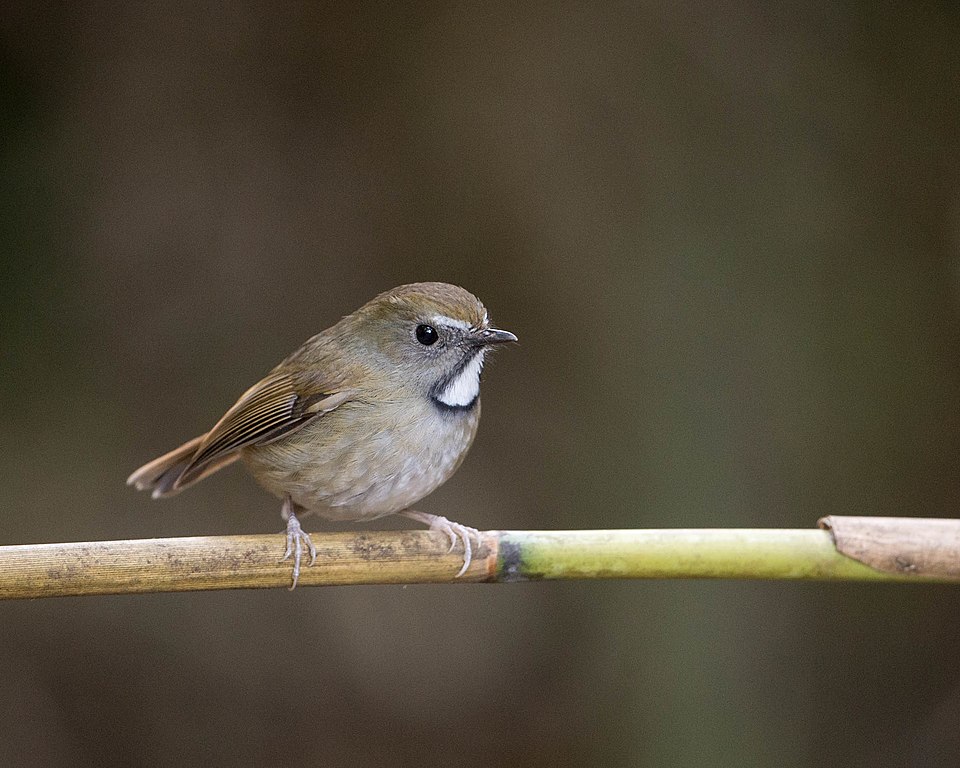


Birds Similar to the Sapphire Flycatcher
These species are often confused with the Sapphire Flycatcher due to similar appearance or overlapping range.

