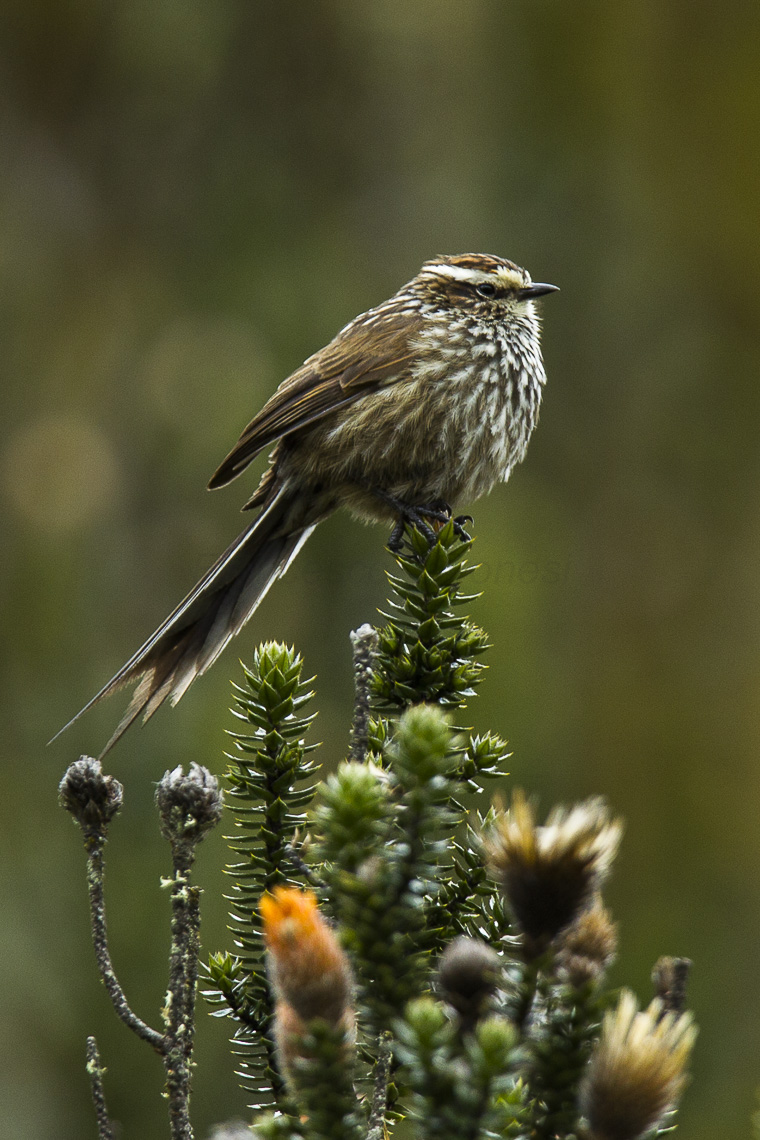
Scaled Woodcreeper
Lepidocolaptes squamatus
Order: Passeriformes / Family: Furnariidae

Wikimedia Commons
About the Scaled Woodcreeper
The Scaled Woodcreeper (Lepidocolaptes squamatus) is a medium-sized bird belonging to the diverse Furnariidae family. This species is particularly noted for its ornate, scale-patterned plumage, which aids in camouflage among the forested environments it inhabits. Found primarily in eastern Brazil, the Scaled Woodcreeper plays a vital role in its ecosystem by controlling insect populations and contributing to the forest's health. These birds are most commonly associated with the Atlantic Forest biome, a region known for its rich biodiversity and endemism. The Scaled Woodcreeper exhibits remarkable adaptability, thriving in both primary and secondary forests as well as selectively logged areas. During the breeding season, which coincides with the rainy months from October to March, these woodcreepers become more vocal and territorial, marking their presence with a series of sharp, ringing calls. As a cavity-nesting species, they often reuse abandoned woodpecker holes or natural tree cavities, ensuring their young are well-protected from predators. Their role as insectivores is crucial during this period, as they help curb the populations of various arthropods, maintaining a balance in the ecosystem. In the non-breeding months, the Scaled Woodcreeper's behavior shifts slightly as it joins mixed-species flocks, a strategy that enhances foraging efficiency and provides protection against predators. This social behavior underscores the woodcreeper's adaptability and its integral part in the forest's avian community.
The Scaled Woodcreeper belongs to the family Furnariidae, within the order Passeriformes. These birds typically live average 5-7 years, with a maximum recorded of 10 years..
How to Identify a Scaled Woodcreeper
The Scaled Woodcreeper is identifiable by its medium size, approximately 19-22 cm in length, and its striking scale-like pattern on the chest and underparts. Adults exhibit a predominantly brown plumage with a lighter, buffy scaling effect on the chest and belly, which gives the species its name. The wings and back are darker, providing a stark contrast to the patterned underparts. Juveniles resemble adults but have less pronounced scaling and slightly duller plumage. Males and females are similar in appearance, making sexing in the field difficult. However, their behavior and vocalizations during the breeding season can sometimes hint at gender. In flight, the Scaled Woodcreeper shows a straight, stiff-winged silhouette, typical of the woodcreeper family. Its perching posture is also characteristic, often seen clinging vertically to tree trunks as it forages for insects. This species can be confused with other woodcreepers, such as the Lesser Woodcreeper, but the Scaled Woodcreeper's distinct pattern and slightly larger size help differentiate it.
Having trouble telling birds apart? Upload a photo to our bird identification tool for an instant species match.
Scaled Woodcreeper Habitat and Range
Preferred Habitat
The Scaled Woodcreeper inhabits the humid Atlantic Forest of eastern Brazil, thriving in both lowland and montane regions. It is commonly found at elevations ranging from sea level up to 1,500 meters. These birds prefer dense, mature forests but are also adaptable to secondary growth and selectively logged areas. They are less common in urban settings, preferring the cover and food resources offered by natural forest environments. Seasonal habitat shifts are minimal, as they tend to remain within forested areas year-round, although they may move locally in response to food availability.
Geographic Range
The Scaled Woodcreeper's range is primarily confined to the Atlantic Forest biome in eastern Brazil. It is found from the state of Bahia in the north down to the southern regions of Santa Catarina. The species is largely sedentary, with little evidence of long-distance migration, though some altitudinal movements may occur. Population density is highest in undisturbed forest areas, where their preferred habitat remains intact. Local movements within this range are typically dictated by food availability and habitat quality, rather than seasonal migration patterns.
Want to know which birds visit your area? Browse our backyard birds by location guides for region-specific species lists.
What Does the Scaled Woodcreeper Eat?
The Scaled Woodcreeper primarily feeds on a diet of insects and other small arthropods, which it gleans from tree bark and foliage. Its foraging technique involves climbing vertically along tree trunks and larger branches, using its curved bill to probe crevices and dislodge insects. The bird is particularly adept at capturing ants, beetles, and caterpillars, which constitute the bulk of its diet. Seasonal changes in diet are minimal, although there may be a shift in prey availability during the wet season, leading to increased foraging activity. Feeding occurs throughout the day, with peaks in activity during the cooler morning and late afternoon hours.
Scaled Woodcreeper Behavior and Social Structure
Scaled Woodcreepers exhibit solitary or paired behavior within their forested habitats, though they often join mixed-species flocks outside of the breeding season. These flocks provide increased foraging efficiency and predator protection, highlighting the woodcreeper's social adaptability. Territorial behavior becomes more pronounced during the breeding season, with males defending nesting sites through vocal displays and physical presence. Courtship involves mutual preening and vocal exchanges between pairs. Predation threats elicit alarm calls and evasive flight maneuvers, with the woodcreeper relying on its cryptic plumage to evade detection. Daily activity peaks in the early morning and late afternoon, coinciding with optimal foraging conditions.
Scaled Woodcreeper Nesting and Reproduction
The Scaled Woodcreeper nests in natural cavities or abandoned woodpecker holes, often located 5-15 meters above the ground. Nest construction involves lining the cavity with bark, leaves, and feathers to provide insulation and comfort for the clutch. Typically, the female lays 2-3 eggs, which are incubated for about 15-17 days. Both parents share incubation duties and, after hatching, continue to feed and care for the young until fledging, which occurs approximately 20 days post-hatching. The species generally raises one brood per year, although favorable conditions may lead to a second brood.
Scaled Woodcreeper Sounds and Vocalizations
The primary song of the Scaled Woodcreeper consists of a series of sharp, ringing notes that are repeated in rapid succession. These vocalizations are particularly prominent during the breeding season, serving as territorial markers and communication between mates. Call notes are shorter and more abrupt, often used in social interactions or as alarm signals when predators are near. The woodcreeper's vocal activity increases during the dawn chorus, adding to the rich soundscape of the forest. Its calls are somewhat reminiscent of the Lesser Woodcreeper but are typically louder and more distinct.
Interesting Facts About the Scaled Woodcreeper
- 1The Scaled Woodcreeper's scale-like plumage provides excellent camouflage against tree bark.
- 2Despite their solitary nature, Scaled Woodcreepers often join mixed-species flocks for foraging.
- 3Their specialized curved bill is perfect for probing bark and accessing hidden insects.
- 4Scaled Woodcreepers can climb tree trunks almost vertically, using their stiff tail feathers for support.
- 5The species is endemic to the Atlantic Forest, one of the world's most endangered ecosystems.
- 6Their vocalizations are adapted to pierce through dense forest environments, aiding in long-distance communication.
- 7The Scaled Woodcreeper's diet mainly consists of insects, helping control forest arthropod populations.
Scaled Woodcreeper Conservation Status
The Scaled Woodcreeper is currently classified as Least Concern by the IUCN, with a stable population trend. However, the primary threat to its survival is habitat destruction due to deforestation and land conversion in the Atlantic Forest. Conservation efforts focus on preserving and restoring this critical habitat, with several protected areas established to safeguard biodiversity. Historical population changes are closely linked to forest cover loss, but recent conservation initiatives have helped stabilize numbers in some regions.
Other Furnariidae Species


Birds Similar to the Scaled Woodcreeper
These species are often confused with the Scaled Woodcreeper due to similar appearance or overlapping range.