
Sooty Flycatcher
Muscicapa infuscata
Order: Passeriformes / Family: Muscicapidae

Wikimedia Commons
About the Sooty Flycatcher
The Sooty Flycatcher, scientifically known as Muscicapa infuscata, is a small yet captivating member of the Muscicapidae family. This bird is native to the lush, dense forests of Central and West Africa, where it plays a vital role in controlling insect populations. Its dark, nearly uniform plumage sets it apart from many of its more colorful relatives, lending it a distinctive appearance well-suited to its shady, forested environment. Found predominantly in countries such as Cameroon, Gabon, and the Democratic Republic of the Congo, the Sooty Flycatcher is adapted to thrive in the humid, subtropical climate of these regions.
The ecological significance of the Sooty Flycatcher cannot be overstated. As an insectivorous bird, it contributes significantly to maintaining the delicate balance of forest ecosystems by preying on various insect species, including flies, beetles, and moths. This feeding habit helps control pest populations, benefiting both the natural flora and agricultural areas adjacent to its habitat. During the wet season, when insect populations peak, the Sooty Flycatcher becomes particularly active, often seen flitting through the understory in pursuit of its prey.
In terms of behavior, the Sooty Flycatcher exhibits a level of adaptability that has allowed it to exploit a range of forested habitats, from lowland rainforests to montane regions. During the breeding season, these birds become notably more territorial, displaying increased vocal activity and engaging in elaborate aerial displays to ward off rivals and attract mates. Despite its relatively small size, the Sooty Flycatcher is a resilient species, able to withstand the challenges posed by habitat fragmentation and deforestation to some extent, although these remain significant threats to its long-term survival.
The Sooty Flycatcher belongs to the family Muscicapidae, within the order Passeriformes. These birds typically live average 4-6 years, with a max recorded of 8 years..
How to Identify a Sooty Flycatcher
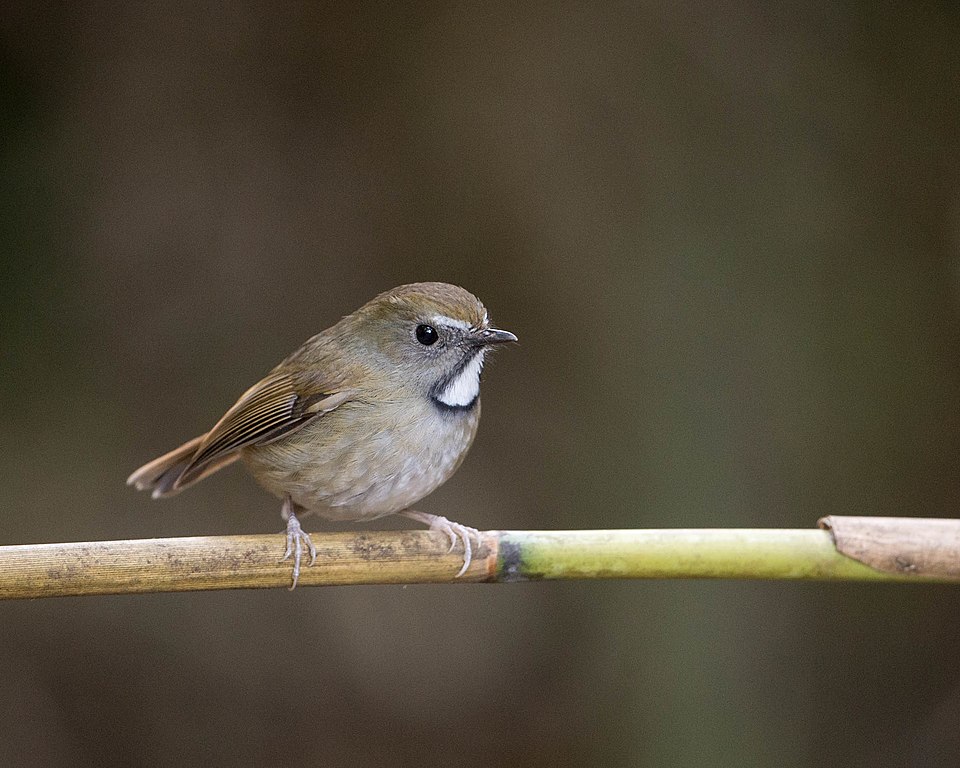
The Sooty Flycatcher is a small songbird with a length of about 12 to 14 centimeters. Its plumage is predominantly dark gray to black, which helps it blend seamlessly into the shadowy forest environment. This uniform coloration can make field identification challenging, particularly when observing from a distance or in low light conditions. The adult Sooty Flycatcher lacks the vibrant coloration found in many other flycatchers, which makes its identification primarily reliant on its silhouette and behavior.
Juvenile Sooty Flycatchers may display slightly paler plumage with faint streaking, which gradually darkens as they mature. There is minimal sexual dimorphism in this species, with males and females exhibiting similar plumage patterns. When observing the Sooty Flycatcher in flight, one can note its agile movements and typical flycatcher profile, characterized by a relatively short tail and pointed wings designed for rapid, darting flight.
Confusion with similar species, such as the Dusky-blue Flycatcher or the Ashy Flycatcher, can occur, particularly due to their overlapping ranges. However, the Sooty Flycatcher's darker overall coloration and preference for denser forest environments often serve as distinguishing factors. Its perching posture is typical of flycatchers, often observed sallying from a perch to catch insects in mid-air before returning to the same or a nearby vantage point.
Having trouble telling birds apart? Upload a photo to our bird identification tool for an instant species match.
Sooty Flycatcher Habitat and Range
Preferred Habitat
The Sooty Flycatcher predominantly inhabits tropical and subtropical moist broadleaf forests. These environments provide the dense canopy and understory cover that the species requires for foraging and nesting. It often resides at elevations ranging from sea level up to about 2000 meters, allowing it to occupy both lowland and montane forest zones.
Seasonally, the Sooty Flycatcher may shift its habitat slightly in response to changes in insect abundance and vegetation cover, though it generally remains within forested areas. Unlike some other flycatcher species, it is not typically found in urban or highly disturbed habitats, preferring instead the relative seclusion of continuous forest tracts.
Despite its preference for forest habitats, the Sooty Flycatcher can sometimes be observed at the edges of clearings or forest gaps, where it exploits the increased light and insect activity. This adaptability to different forest strata and microhabitats underscores its role as a versatile insectivore within its ecosystem.
Geographic Range
The Sooty Flycatcher is primarily found in Central and West Africa, with a distribution that spans several key rainforest regions. Its breeding range includes countries such as Cameroon, Gabon, the Republic of the Congo, and the Democratic Republic of the Congo. These areas provide the moist, dense forest environments crucial for its survival.
The species does not exhibit long-distance migratory behavior but may engage in local movements in response to seasonal changes in food availability and habitat conditions. During certain times of the year, particularly the wet season, it may expand its range slightly to exploit temporary food resources, though these movements are generally limited.
Population density hotspots for the Sooty Flycatcher are often concentrated in regions where forest cover remains relatively intact. However, ongoing deforestation and habitat fragmentation pose threats to its distribution, making conservation efforts in key areas essential for its continued presence across its range.
Want to know which birds visit your area? Browse our backyard birds by location guides for region-specific species lists.
What Does the Sooty Flycatcher Eat?
The diet of the Sooty Flycatcher primarily consists of insects, which it captures with great agility. Its foraging technique involves sallying from a perch to snatch insects mid-flight, a behavior typical of flycatchers. This method allows the bird to efficiently exploit the insect-rich environments of the forest.
During the wet season, the Sooty Flycatcher takes advantage of the increased abundance of insects, feeding on a variety of species, including flies, beetles, and moths. It may also consume small spiders and other arthropods found within its habitat. The bird's diet can show slight seasonal variation, with a broader range of prey items taken when insect populations are at their peak.
The Sooty Flycatcher usually feeds during daylight hours, with peak activity occurring in the early morning and late afternoon when insect activity is highest. Its small size allows it to target insects that range from a few millimeters to a couple of centimeters in length, making it an effective predator of both larval and adult insect forms.
Sooty Flycatcher Behavior and Social Structure
The Sooty Flycatcher exhibits intriguing behaviors that reflect its adaptation to forest life. As a solitary hunter, it often perches quietly in the forest understory, remaining vigilant for passing insects. When an insect is spotted, the flycatcher launches a swift aerial pursuit, showcasing its remarkable agility and precision.
Territorial behavior becomes pronounced during the breeding season when males use vocalizations and aerial displays to defend their territory and attract mates. These displays often involve rapid, darting flights and vocal calls that resonate through the forest. The Sooty Flycatcher is not particularly social outside of the breeding season, tending to forage alone or in pairs rather than in flocks.
In response to predators, this flycatcher relies on its cryptic coloration and agile flight to evade threats. When disturbed, it may emit a series of sharp alarm calls, alerting other birds to potential danger. Its daily activity patterns align closely with those of its prey, being most active during periods of peak insect activity in the morning and late afternoon.
Sooty Flycatcher Nesting and Reproduction
The Sooty Flycatcher constructs its nest in the dense foliage of forest trees, often selecting sites well-concealed from predators. The nest is typically a small cup made from twigs, moss, and other plant materials, bound together with spider silk for added strength and flexibility.
Preferred nesting locations include the forks of tree branches or dense tangles of vines, which provide both support and camouflage. The female usually lays a clutch of two to three eggs, which she incubates for approximately two weeks. The eggs are small and typically pale with light speckling, blending well with the nest surroundings.
After hatching, both parents participate in feeding the young, bringing a steady supply of insects to the nest. The fledging period lasts about 16 to 18 days, after which the young birds leave the nest but continue to receive parental care for a short period. The Sooty Flycatcher typically raises one brood per year, although in optimal conditions, a second brood may occasionally be attempted.
Sooty Flycatcher Sounds and Vocalizations
The Sooty Flycatcher's primary song is a series of short, melodious whistles. These notes are delivered in a rhythmic pattern, often rising and falling in pitch. The song is clear and sweet, somewhat reminiscent of other woodland songbirds, but with a distinctive, repetitive phrasing.
In addition to its song, the Sooty Flycatcher produces a variety of call notes, including sharp, quick 'chip' sounds used for communication and alerting others to potential threats. Alarm calls are more strident and may be repeated in rapid succession when the bird feels threatened.
During the dawn chorus, the Sooty Flycatcher's voice blends into the cacophony of forest sounds, but its song can often be distinguished by its clarity and the regularity of its phrases. This vocal behavior plays a crucial role in territory establishment and maintenance, particularly during the breeding season.
Interesting Facts About the Sooty Flycatcher
- 1Despite its dark plumage, the Sooty Flycatcher is often more easily heard than seen due to its clear, melodious song.
- 2The Sooty Flycatcher is one of the few flycatcher species that remains strictly within forest habitats, rarely venturing into open areas.
- 3Its small size, averaging just 12 to 14 centimeters, allows the Sooty Flycatcher to navigate through dense forest canopies with ease.
- 4The Sooty Flycatcher's agile hunting style involves rapid sprints from a perch, capturing insects mid-air with remarkable precision.
- 5While many bird species are declining due to habitat loss, the Sooty Flycatcher shows some resilience by adapting to various forest microhabitats.
Sooty Flycatcher Conservation Status
The Sooty Flycatcher is currently listed as Least Concern by the IUCN, indicating that it does not face immediate threats of extinction. However, its population trend is difficult to assess due to the challenges of surveying in dense forest habitats. The primary threat to the Sooty Flycatcher is habitat loss due to deforestation and land conversion for agriculture. Conservation efforts focus on preserving large tracts of forest and promoting sustainable land-use practices. These measures are vital in ensuring the continued presence of this species across its range. Historical population changes remain poorly documented, but the flycatcher's adaptability to various forest types offers some resilience against habitat changes. Nonetheless, ongoing conservation initiatives remain crucial to mitigate potential future declines, especially in areas experiencing rapid habitat alteration.
Other Muscicapidae Species


Birds Similar to the Sooty Flycatcher
These species are often confused with the Sooty Flycatcher due to similar appearance or overlapping range.

