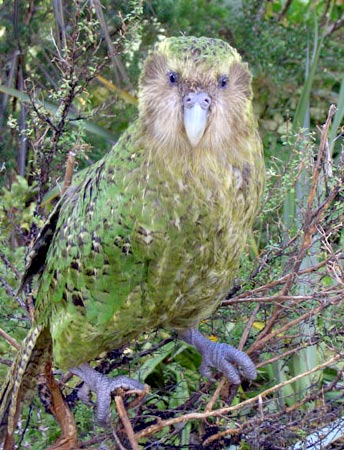
South Island Saddleback
Philesturnus carunculatus
Order: Passeriformes / Family: Callaeatidae

Wikimedia Commons
About the South Island Saddleback
The South Island Saddleback, or Philesturnus carunculatus, is a striking member of the Callaeatidae family, endemic to New Zealand's South Island. Historically found throughout South Island forests, this saddleback now primarily inhabits predator-free offshore islands. Conservation efforts have been crucial in maintaining its population, as these birds were once on the brink of extinction. The South Island Saddleback plays a vital role in its ecosystem by aiding in seed dispersal and controlling insect populations through its foraging habits. The bird's presence is most prominent in the temperate forests and shrublands of islands such as Ulva, Codfish, and Tiritiri Matangi. This species is non-migratory, remaining within its habitat year-round, though it may show slight seasonal shifts in elevation, often favoring lowland forests during winter due to milder conditions. The South Island Saddleback is known for its dynamic social behavior, often seen in small, territorial groups. These birds exhibit a unique courtship display, which includes mutual preening and soft vocalizations, strengthening pair bonds. Their ecological significance is underscored by their role in controlling insect populations, particularly by consuming larvae and other small invertebrates. This, in turn, aids in maintaining the health of forest ecosystems. Moreover, the South Island Saddleback contributes to the genetic diversity of New Zealand's avifauna, with its distinct adaptations to island life. Its resilience and adaptability have become emblematic of successful conservation efforts in New Zealand, highlighting the importance of predator management and habitat restoration. The bird's survival success story continues to inspire conservationists, reminding us of the delicate balance required to maintain biodiversity.
The South Island Saddleback belongs to the family Callaeatidae, within the order Passeriformes. These birds typically live average 5-10 years, with a maximum recorded of 15 years..
How to Identify a South Island Saddleback
The South Island Saddleback is easily identifiable by its glossy black plumage contrasted with a bright chestnut 'saddle' across its back and upper wings. Adults exhibit a vivid combination of black and chestnut, with a slight sheen in their black feathers under sunlight. Juveniles, however, lack the striking chestnut saddle and instead display a duller, more uniform brownish-black coloring until they mature. Males and females show little sexual dimorphism, making them difficult to distinguish visually. However, males tend to be marginally larger. The bird's orange wattles at the base of the bill are another distinguishing feature, absent in juveniles. In flight, the South Island Saddleback presents a somewhat rounded silhouette with slow, deliberate wingbeats. When perched, it often adopts a horizontal stance, emphasizing its robust body and slightly curved bill. Confusion with the North Island Saddleback is possible, but the two are geographically isolated. The North Island counterpart has a slightly different vocalization and subtle variations in plumage coloration. The South Island Saddleback's calls are generally more resonant.
Having trouble telling birds apart? Upload a photo to our bird identification tool for an instant species match.
South Island Saddleback Habitat and Range
Preferred Habitat
The South Island Saddleback predominantly inhabits temperate forests and dense shrublands on predator-free offshore islands. Its preference for such environments limits its distribution to islands like Ulva, Codfish, and Tiritiri Matangi. These birds are typically found at lower elevations, although they may venture into higher altitudes during the breeding season, provided the terrain offers ample cover and food resources. Unlike some other endemic species, the South Island Saddleback does not adapt well to urban environments, primarily due to its reliance on dense vegetation for foraging and nesting. Seasonal variation in habitat preference is minimal, as these birds remain non-migratory, but they may adjust elevation slightly in response to climatic conditions.
Geographic Range
The range of the South Island Saddleback is highly restricted due to historical habitat loss and predation pressures. It is primarily found on several offshore islands surrounding New Zealand's South Island, including Ulva, Codfish, and Tiritiri Matangi. These islands have been chosen for conservation efforts due to their predator-free status, providing a safe haven for the bird's populations. The South Island Saddleback does not migrate, maintaining a year-round presence within these specific locations. Population density is highest in areas where intensive conservation measures have been implemented, often resulting in thriving colonies that serve as population strongholds. Before human intervention, the South Island Saddleback had a broader range across the mainland, now limited due to ecological pressures.
Want to know which birds visit your area? Browse our backyard birds by location guides for region-specific species lists.
What Does the South Island Saddleback Eat?
The South Island Saddleback's diet primarily consists of insects and other small invertebrates, with a marked preference for caterpillars and beetles. During the breeding season, their dietary intake shifts slightly to include a higher proportion of protein-rich items, supporting the increased nutritional demands of rearing young. In addition to invertebrates, these birds consume fruits and nectar, assisting in the pollination of native plants and dispersal of seeds. Foraging typically occurs on the forest floor and in low vegetation, where the South Island Saddleback uses its robust bill to probe bark and leaf litter in search of prey. Their opportunistic feeding behavior allows them to exploit temporary food sources as they become available, ensuring a balanced diet throughout the year.
South Island Saddleback Behavior and Social Structure
The South Island Saddleback exhibits a pronounced social structure, often seen in family groups or small flocks. These birds are highly territorial, displaying aggressive behavior towards intruders, particularly during the breeding season. Courtship involves mutual preening and the exchange of soft vocalizations, strengthening pair bonds. While they do not form large flocks, the South Island Saddleback maintains a cohesive social structure within its territory. Their response to predators is characterized by alarm calls and evasive flight, with a preference for dense cover to escape threats. Daily activity patterns include early morning and late afternoon foraging, with periods of rest and preening during midday. The South Island Saddleback's behavior underscores its adaptation to the island environment, balancing between social cohesion and territoriality to thrive in its habitat.
South Island Saddleback Nesting and Reproduction
The South Island Saddleback constructs cup-shaped nests using twigs, leaves, and grasses, often located in dense shrubbery or tree cavities. Nest sites are chosen for their concealment and proximity to reliable food sources. The typical clutch size ranges from two to four eggs, with an incubation period of approximately 18 to 20 days. Both parents participate in incubation and feeding of the chicks, with fledging occurring about 21 to 25 days after hatching. The South Island Saddleback may raise one to two broods per year, depending on environmental conditions and food availability. Parental care extends beyond fledging, with juveniles remaining close to their parents as they learn essential foraging and survival skills.
South Island Saddleback Sounds and Vocalizations
The primary song of the South Island Saddleback is a series of rich, melodious whistles that vary in pitch and rhythm. These whistles serve as both territorial markers and mating calls. In addition to their song, the birds produce a variety of call notes, including sharp 'cheeks' and softer 'churrs,' used in communication between mates and signaling alarm. Their alarm calls are harsher and more rapid, alerting others to potential threats. During the dawn chorus, the South Island Saddleback's song is particularly prominent, adding a unique acoustic element to its environment. This vocal repertoire is essential for maintaining social bonds and deterring rival individuals.
Interesting Facts About the South Island Saddleback
- 1The South Island Saddleback was extinct on the mainland by the early 20th century but has since been reintroduced to predator-free islands.
- 2This species plays a crucial role in seed dispersal for several native plant species, aiding in forest regeneration.
- 3The South Island Saddleback's distinctive chestnut 'saddle' marking provides effective camouflage against the forest floor.
- 4Despite their non-migratory nature, these birds may exhibit seasonal shifts in elevation, preferring warmer lowlands during colder months.
- 5The South Island Saddleback's recovery is considered a conservation success story, demonstrating effective predator control and habitat management.
- 6Juvenile South Island Saddlebacks lack the bright chestnut saddle, making them less conspicuous to predators during early life stages.
- 7The South Island Saddleback is one of the few bird species endemic to New Zealand with distinct subspecies on different islands.
South Island Saddleback Conservation Status
The South Island Saddleback is currently listed as Near Threatened by the IUCN, with a stable but restricted population due to effective conservation measures. Primary threats include habitat loss and introduced predators such as rats and stoats. Conservation efforts have focused on predator eradication and habitat restoration on offshore islands. Historical declines were severe, with the species nearly going extinct in the 20th century. However, successful translocations and intensive management have led to population recovery. Continued vigilance and habitat management are crucial to ensuring the long-term survival of the South Island Saddleback.
Other Callaeatidae Species
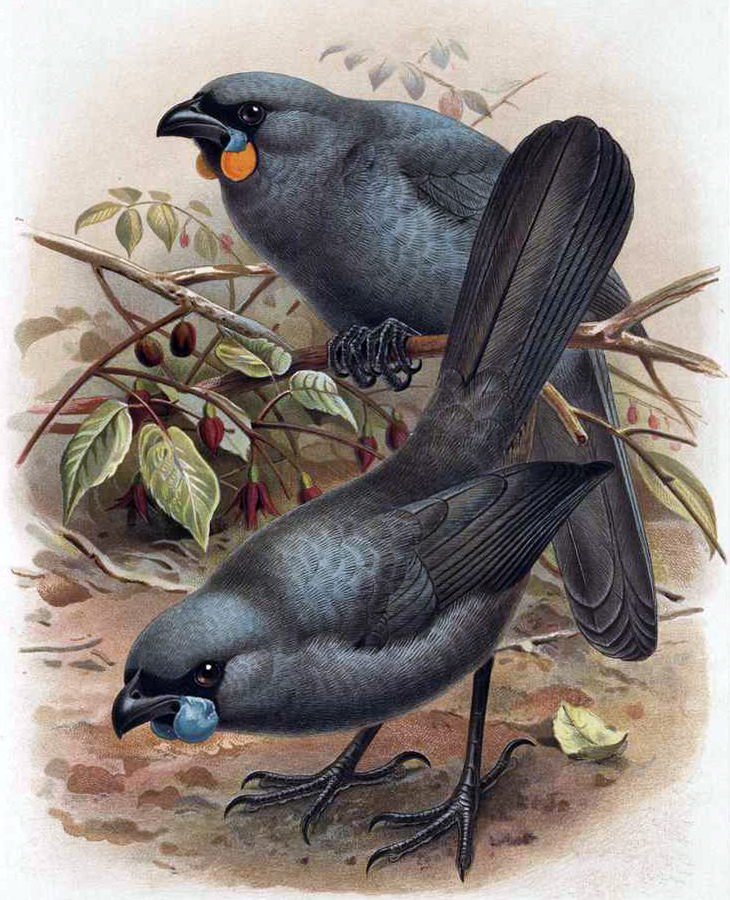
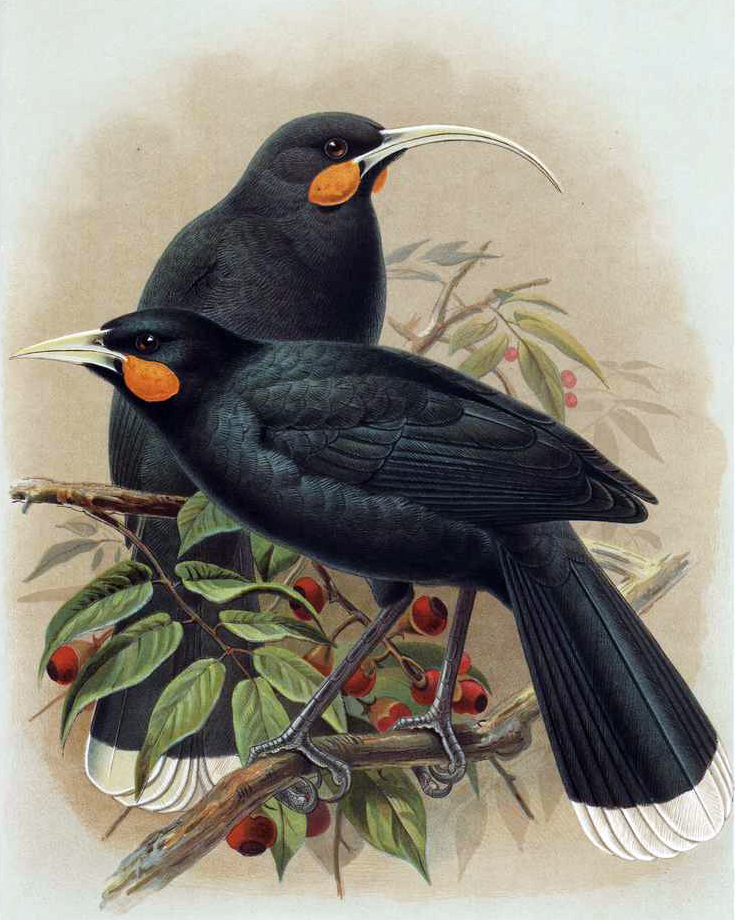
Birds Similar to the South Island Saddleback
These species are often confused with the South Island Saddleback due to similar appearance or overlapping range.