
Sunda Robin
Myiomela diana
Order: Passeriformes / Family: Muscicapidae

Wikimedia Commons
About the Sunda Robin
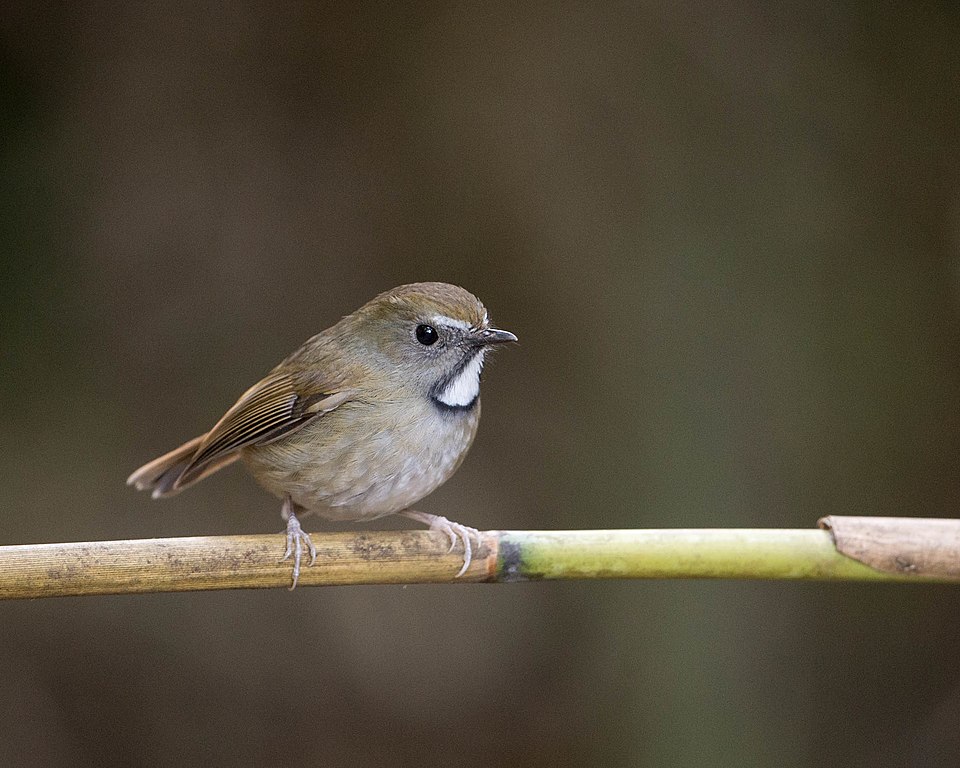
The Sunda Robin, scientifically known as Myiomela diana, is a striking bird found primarily in the dense montane forests of Southeast Asia. Known for its vibrant blue plumage, this species is a member of the Muscicapidae family and exhibits the typical passerine charm. The bird plays a crucial role in its ecosystem as both a seed disperser and an insect predator, contributing significantly to the health of forest habitats. The Sunda Robin is predominantly found in the highland regions of Sumatra, Borneo, and Java, where it prefers the cool, humid environments provided by these montane forests. Its presence is a key indicator of forest health, as it thrives in undisturbed, mature woodlands. This robin is not a migratory bird but does exhibit some altitudinal movement, shifting to lower elevations during colder months. Its ecological role extends beyond just insect control, as it also aids in maintaining the balance of plant species through seed dispersal. Observing the Sunda Robin provides insight into the complex web of interactions within these tropical ecosystems. Its preference for dense undergrowth and forest edges makes it a somewhat elusive species, yet its distinctive song often betrays its presence to the attentive observer. The Sunda Robin's significance extends to cultural realms as well. In local folklore, it is often seen as a symbol of good fortune and prosperity, further cementing its importance in both ecological and human narratives. As forests face increasing threats from deforestation and climate change, the presence and health of species like the Sunda Robin become critical indicators of broader environmental changes. Thus, conserving its habitat not only protects this charming bird but also supports a myriad of other species that share its home.
The Sunda Robin belongs to the family Muscicapidae, within the order Passeriformes. These birds typically live average 5-7 years with a maximum recorded of 10 years.
How to Identify a Sunda Robin
Adult Sunda Robins are easily recognizable by their striking cobalt blue plumage, with males typically exhibiting more vibrant coloration than females. Their underparts are generally lighter, featuring a subtle white belly that provides a stark contrast to their darker upperparts. Juveniles, in contrast, display a more subdued brownish coloration with less pronounced blue tones, gradually acquiring the adult plumage as they mature. The Sunda Robin's eyes are dark, and its slender bill is well adapted for insectivory. In flight, the bird exhibits a compact silhouette with moderately broad wings and a slightly rounded tail. When perched, it often adopts a slightly upright posture, allowing its tail feathers to spread slightly. This robin is sometimes confused with other blue birds within its range, such as the Blue Whistling Thrush, but its smaller size and distinctive song help differentiate it. The female Sunda Robin, while less colorful, can be identified by similar structural features and the characteristic behavior of perching and foraging low in the undergrowth.
Having trouble telling birds apart? Upload a photo to our bird identification tool for an instant species match.
Sunda Robin Habitat and Range
Preferred Habitat
The Sunda Robin inhabits subtropical and tropical montane forests, favoring elevations typically ranging from 1,000 to 2,500 meters. These birds thrive in the lush, evergreen forests of Sumatra, Borneo, and Java, where dense foliage provides ample foraging opportunities and nesting sites. Within these forests, the Sunda Robin prefers areas with thick undergrowth, often near streams or forest clearings. While primarily a forest dweller, it occasionally ventures into adjacent secondary growth or well-vegetated gardens, especially in regions where primary forests have been degraded. Seasonal habitat shifts mainly involve moving to lower elevations during cooler months, but this behavior is generally constrained by the availability of suitable forested areas.
Geographic Range
The Sunda Robin is found predominantly on the Indonesian islands of Sumatra, Borneo, and Java, with its range closely tied to the montane forest habitats of these regions. Within these islands, the bird is most common in protected areas and national parks where forest cover remains intact. Its range does not extend beyond these islands, making it an endemic species with a relatively restricted distribution. Population densities are highest in well-preserved forest regions, such as the Gunung Leuser and Kerinci Seblat National Parks in Sumatra. Unlike many passerines, the Sunda Robin does not undertake long-distance migrations, but it may exhibit some local movement in response to seasonal changes in temperature and food availability.
Want to know which birds visit your area? Browse our backyard birds by location guides for region-specific species lists.
What Does the Sunda Robin Eat?
The Sunda Robin primarily feeds on insects, making it an important predator within its ecosystem. Its diet consists mainly of beetles, ants, and other small invertebrates, which it gleans from the forest floor and low vegetation. During the breeding season, the bird increases its intake of protein-rich prey to support the nutritional demands of its growing chicks. In addition to insects, the Sunda Robin occasionally consumes small fruits and seeds, particularly during periods when insect availability is lower. This dietary flexibility helps the bird adapt to seasonal fluctuations in food resources. Foraging typically occurs during daylight hours, with peak activity in the early morning and late afternoon when prey is most active.
Sunda Robin Behavior and Social Structure
The Sunda Robin exhibits a largely solitary lifestyle, interacting with conspecifics mainly during the breeding season. It is territorial, with males actively defending their chosen area through vocal displays and occasional physical confrontations with intruders. Courtship involves elaborate song displays and subtle movements, as males attempt to woo females with both their vocal prowess and vibrant plumage. Flocking behavior is rare outside of family groups, as these birds prefer to maintain individual territories for foraging. The Sunda Robin responds to predators with alarm calls and evasive flight, often retreating to dense cover to avoid capture. Its daily activity pattern revolves around foraging, with periods of rest during the heat of midday.
Sunda Robin Nesting and Reproduction
Sunda Robins construct cup-shaped nests using a variety of natural materials, including moss, leaves, and twigs. These nests are typically located in dense undergrowth or low shrubs, providing concealment from predators. Clutch sizes usually consist of two to three eggs, with both parents sharing incubation duties over a period of approximately 14 days. After hatching, the chicks remain in the nest for another two weeks before fledging. Both male and female Sunda Robins participate in feeding and caring for the young, ensuring high survival rates for the brood. The species generally raises one to two broods per year, with nesting activity peaking during the wet season when food availability is highest.
Sunda Robin Sounds and Vocalizations
The primary song of the Sunda Robin is a series of melodious whistles and trills, characterized by a clear, rising tone. This song is often delivered from a prominent perch and serves both to attract mates and to establish territory. In addition to its song, the Sunda Robin produces a variety of call notes, including sharp, metallic chips used as contact calls. Alarm calls are harsher and more rapid, designed to alert conspecifics to nearby threats. The bird participates in the dawn chorus, its song blending seamlessly with the calls of other forest dwellers. Its vocalizations are reminiscent of other robins and thrushes, providing a familiar soundtrack to the montane forest.
Interesting Facts About the Sunda Robin
- 1The Sunda Robin's song is not only a territorial display but also plays a role in pair bonding during the breeding season.
- 2Despite its bright appearance, the Sunda Robin can be surprisingly difficult to spot in its dense forest habitat.
- 3The bird's diet shifts seasonally, showcasing its adaptability to changing environmental conditions.
- 4Sunda Robins contribute to seed dispersal, aiding in the regeneration of their forest habitats.
- 5Its vivid blue plumage is due to microscopic structures in the feathers rather than pigments.
- 6The Sunda Robin's preference for dense undergrowth makes it a key species for indicating forest health.
- 7Local folklore often associates the Sunda Robin with positive omens and prosperity.
Sunda Robin Conservation Status
The Sunda Robin is currently listed as Least Concern by the IUCN, with populations considered stable across its range. However, ongoing threats such as habitat loss due to deforestation and land conversion pose significant risks to its long-term survival. Conservation efforts focus on preserving and restoring forest habitats, particularly within protected areas where the species is most abundant. Historical population trends suggest that while the species has remained relatively stable, localized declines have occurred in areas of severe deforestation. Continued monitoring and habitat protection are essential to ensure the Sunda Robin's future.
Other Muscicapidae Species


Birds Similar to the Sunda Robin
These species are often confused with the Sunda Robin due to similar appearance or overlapping range.

