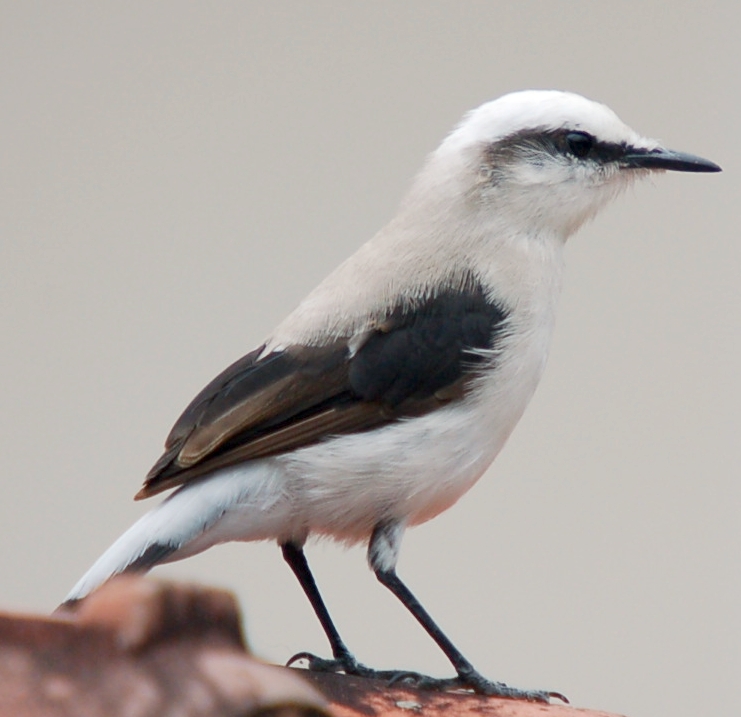
White-headed Marsh Tyrant
Arundinicola leucocephala
Order: Passeriformes / Family: Tyrannidae

Wikimedia Commons
About the White-headed Marsh Tyrant
The White-headed Marsh Tyrant (Arundinicola leucocephala) is a captivating member of the Tyrannidae family, renowned for its stark white head contrasting with a velvety black body. This small passerine bird inhabits wetland regions across South America, from Venezuela and Colombia down to Argentina. Its presence is especially notable in the expansive llanos of Venezuela and the Pantanal of Brazil, where it plays a significant ecological role as both predator and prey. The White-headed Marsh Tyrant thrivess in marshy environments, often perched on reeds or low shrubs, vigilantly surveying for insects. These habitats not only provide abundant food resources but also offer suitable nesting sites, making the species an integral part of the wetland ecosystem. During the breeding season, its conspicuous plumage and active behavior make it a favorite among birdwatchers and researchers alike. This bird's adaptability to seasonal changes in water levels demonstrates its resilience, as it shifts localities in response to flooding or drought. Outside of the breeding season, the White-headed Marsh Tyrant maintains a more subdued presence, blending into the wetland background, yet it remains an essential contributor to the balance of its ecosystem.
The White-headed Marsh Tyrant belongs to the family Tyrannidae, within the order Passeriformes. These birds typically live average 3-5 years with a maximum recorded of 8 years..
How to Identify a White-headed Marsh Tyrant
The adult White-headed Marsh Tyrant is unmistakable with its bright white head, which sharply contrasts with its black body. This striking coloration makes it easily recognizable, particularly against the green and brown hues of its marshy habitat. Juvenile birds, however, sport a more subdued appearance, with a mottled brown coloration on their head that gradually becomes white as they mature. There is little sexual dimorphism in this species, with males and females sharing similar plumage. However, males often appear slightly more robust during the breeding season, when they are most active. In flight, the White-headed Marsh Tyrant displays a compact silhouette with rapidly beating wings. It typically perches with an upright posture, often flicking its tail as it scans for prey. While confusion with other marsh tyrants could occur, the unique head coloration serves as a reliable field mark to distinguish it from similar species.
Having trouble telling birds apart? Upload a photo to our bird identification tool for an instant species match.
White-headed Marsh Tyrant Habitat and Range
Preferred Habitat
The White-headed Marsh Tyrant inhabits a variety of wetland environments, including marshes, swamps, and flooded grasslands. These birds are most commonly found at low elevations, typically below 1000 meters, where water bodies are abundant. In the Amazon Basin, they frequent the edges of rivers and oxbow lakes, while in the Llanos of Venezuela and Colombia, they are a common sight in seasonally flooded plains. Unlike some other wetland birds, the White-headed Marsh Tyrant shows limited presence in urban areas, preferring areas with minimal human disturbance. Seasonal habitat shifts occur primarily due to water level changes, prompting the bird to relocate to areas with optimal feeding and nesting conditions.
Geographic Range
The White-headed Marsh Tyrant's range extends across South America, from the tropical lowlands of Venezuela and Colombia to northern Argentina. It is a year-round resident in countries like Brazil, particularly in regions such as the Pantanal and the Amazon basin. While not considered migratory, there is some local movement in response to seasonal flooding or drought conditions. In areas like the Paraguayan Chaco, the bird is relatively common, with small populations scattered across suitable habitats. Although generally widespread, the density of populations varies, with certain locales like the Venezuelan Llanos boasting higher concentrations of individuals.
Want to know which birds visit your area? Browse our backyard birds by location guides for region-specific species lists.
What Does the White-headed Marsh Tyrant Eat?
Insects form the primary diet of the White-headed Marsh Tyrant, with a particular preference for dragonflies, beetles, and grasshoppers. During the wet season, when insect populations peak, this bird actively forages throughout the day. It employs a sit-and-wait strategy, perching on reeds or low branches before darting out to snatch prey in mid-air or from the water's surface. This versatile foraging technique allows it to capture a wide range of prey sizes, from small flies to larger aquatic insects. In the dry season, the bird may also consume small aquatic invertebrates, supplementing its diet as insect availability fluctuates. Feeding typically occurs during daylight hours, with peaks in activity during the cooler mornings and late afternoons.
White-headed Marsh Tyrant Behavior and Social Structure
The White-headed Marsh Tyrant exhibits solitary or paired territorial behavior, particularly during the breeding season. Males engage in conspicuous displays, often involving vocalizations and flights to assert dominance and attract mates. This bird shows a strong preference for defending its territory against intruders, including other marsh tyrants and similar-sized birds. Outside the breeding season, the White-headed Marsh Tyrant becomes less territorial, though it remains vigilant against potential predators such as hawks and snakes. Flocking is uncommon, as these birds tend to maintain solitary habits. Their daily activity peaks during the cooler parts of the day, avoiding the midday heat by seeking shelter among dense vegetation.
White-headed Marsh Tyrant Nesting and Reproduction
White-headed Marsh Tyrants build nests in marshy areas, often selecting sites among dense reeds or low shrubs. The nests are cup-shaped and constructed from grasses and other plant materials, intricately woven to provide stability and protection. A typical clutch consists of two to three eggs, which the female incubates for approximately 14 to 16 days. During this period, the male may assist by bringing food to the nest. Once hatched, the chicks are altricial, requiring significant care and feeding from both parents. Fledging occurs about two weeks post-hatching, with the young remaining nearby as they learn to forage independently. The species typically produces one to two broods per year, depending on environmental conditions.
White-headed Marsh Tyrant Sounds and Vocalizations
The primary song of the White-headed Marsh Tyrant is a series of sharp, metallic notes, often described as 'chik-chik-chik', delivered rapidly and with urgency. These vocalizations serve to establish territory and communicate with potential mates. The call notes are shorter and less complex, typically single 'chip' sounds used for contact between mates or to signal alarm. During the dawn chorus, the bird's calls are more frequent and can be heard echoing across the wetlands, adding to the symphony of early morning sounds. Alarm calls become harsher in tone when predators are nearby, alerting others to potential danger.
Interesting Facts About the White-headed Marsh Tyrant
- 1The White-headed Marsh Tyrant is one of the few tyrant flycatchers with such a dramatic contrast in plumage, making it a favorite among bird photographers.
- 2Despite its small size, the White-headed Marsh Tyrant is a tenacious defender of its territory, often challenging much larger birds that intrude.
- 3This species is known to adapt its nesting height based on water level, showcasing a remarkable flexibility in its breeding strategy.
- 4White-headed Marsh Tyrants are often seen in pairs, and unlike many other bird species, both parents share responsibilities in raising their young.
- 5The bird's diet largely consists of insects, but it has been observed catching small fish in particularly aquatic environments, highlighting its dietary flexibility.
White-headed Marsh Tyrant Conservation Status
Currently, the White-headed Marsh Tyrant holds a status of Least Concern on the IUCN Red List, with populations considered stable across its range. Primary threats include habitat destruction due to agricultural expansion and wetland drainage. Conservation efforts focus on protecting critical wetland habitats, which are vital for the survival of this and other wetland-dependent species. Historical population changes are not well-documented, but the bird's adaptability suggests resilience to moderate environmental changes, provided key habitats remain intact.
Other Tyrannidae Species


Birds Similar to the White-headed Marsh Tyrant
These species are often confused with the White-headed Marsh Tyrant due to similar appearance or overlapping range.