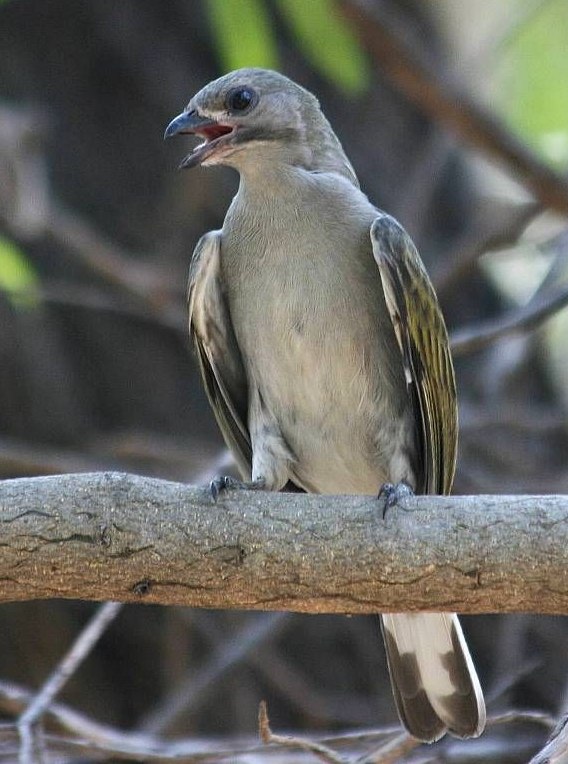
Arabian Green Bee-eater
Merops cyanophrys
Order: Coraciiformes / Family: Meropidae

Wikimedia Commons
About the Arabian Green Bee-eater
The Arabian Green Bee-eater (Merops cyanophrys) is a small yet remarkably colorful bird, known for its vivid green plumage, slender build, and agile flight. Found predominantly in the arid and semi-arid regions of the Arabian Peninsula, this species plays a crucial role in local ecosystems as both predator and prey. Its presence is a testament to the diverse avian life supported by these otherwise harsh environments. In the Middle East, the Arabian Green Bee-eater is particularly prominent in countries such as Saudi Arabia, Oman, and Yemen, where it frequents open woodlands, scrublands, and even human-altered landscapes like farmlands and gardens.
The ecological significance of the Arabian Green Bee-eater cannot be understated. As an insectivore, it controls the population of various insect species, particularly bees and other flying insects. This predation helps maintain the ecological balance and supports agricultural activities by naturally reducing pest numbers. Furthermore, the Arabian Green Bee-eater is an indicator species, reflecting the health of the ecosystems it inhabits. Its presence or absence can provide insight into environmental changes, such as habitat degradation or climate shifts.
Seasonal behaviors of the Arabian Green Bee-eater reveal its adaptability to changing conditions. During the breeding season, which typically spans from March to June, these birds become more territorial and vocal. Outside the breeding season, they exhibit a more nomadic lifestyle, moving in flocks to exploit food resources. This mobility allows them to cope with the fluctuating availability of prey in their arid habitats. The Arabian Green Bee-eater's resilience in adapting to both natural and human-modified environments showcases its importance as a species that bridges natural and anthropogenic ecosystems.
The Arabian Green Bee-eater belongs to the family Meropidae, within the order Coraciiformes. These birds typically live average 7-9 years, with a maximum recorded of 11 years..
How to Identify a Arabian Green Bee-eater
The Arabian Green Bee-eater is characterized by its bright green plumage, which makes it easily distinguishable from other birds in its habitat. Adult birds possess a vivid emerald green coloration across their body, complemented by a striking blue throat and a black eye stripe that runs through their red eyes, enhancing their vibrant appearance. Their slender bodies and long, pointed wings are built for agile flight, while their short tail, adorned with two elongated central feathers, adds a distinctive flair in flight and when perched.
Juvenile Arabian Green Bee-eaters are slightly duller in coloration compared to adults, with a more muted green and less pronounced blue on the throat. As they mature, their plumage intensifies in color, reaching the bright hues seen in adults. There is minimal sexual dimorphism in this species, meaning males and females are virtually identical in appearance. This lack of differentiation can sometimes lead to confusion when observing pairs in the field, but their behaviors, particularly during breeding, can aid in distinguishing gender roles.
In flight, the Arabian Green Bee-eater's silhouette is unmistakable, with its streamlined body and long, pointed wings. When perched, they often sit upright on exposed branches or wires, scanning the surroundings for flying insects. They can be confused with other bee-eater species, but their smaller size and lack of a distinct forked tail help distinguish them from other members of the Meropidae family.
Having trouble telling birds apart? Upload a photo to our bird identification tool for an instant species match.
Arabian Green Bee-eater Habitat and Range
Preferred Habitat
The Arabian Green Bee-eater thrives in a variety of habitats, primarily favoring arid and semi-arid environments. It is commonly found in open woodlands, scrublands, and savannas, where sparse vegetation provides ample perching opportunities to survey for prey. These birds are also adept at living in human-altered landscapes, frequently seen in agricultural areas, gardens, and along the edges of villages and towns.
This species typically inhabits lowland areas but can be found at elevations up to 2,000 meters in regions where suitable habitats exist. Seasonal shifts in habitat usage are minimal, given their residency in regions with relatively stable climates year-round. However, they may move locally in response to changes in food availability or nesting opportunities.
In urban settings, the Arabian Green Bee-eater's adaptability allows it to thrive amidst human presence, often utilizing power lines and fences as convenient perches. Their ability to exploit both rural and urban environments highlights their ecological versatility and resilience.
Geographic Range
The Arabian Green Bee-eater's range is primarily concentrated within the Arabian Peninsula, where it is a resident breeder across countries such as Saudi Arabia, Oman, Yemen, and the United Arab Emirates. Its presence is also noted in parts of southern Iraq and Iran, extending the species' range into the southwestern regions of Asia.
During the breeding season, the Arabian Green Bee-eater establishes territories in suitable habitats across its range, facilitating successful reproduction in various ecological settings. Post-breeding, the species may exhibit nomadic tendencies, forming flocks that wander in search of abundant food sources. However, it does not undertake long-distance migrations like some of its bee-eater relatives.
Population density hotspots are often found in areas that provide a combination of open spaces and adequate perching sites, such as oasis environments and agricultural lands. Within these regions, the Arabian Green Bee-eater is considered common, contributing to the rich avian diversity of the Middle East.
Want to know which birds visit your area? Browse our backyard birds by location guides for region-specific species lists.
What Does the Arabian Green Bee-eater Eat?
The Arabian Green Bee-eater's diet primarily consists of flying insects, with a strong preference for bees, wasps, and other hymenopterans. These birds exhibit specialized hunting techniques, capturing prey in mid-air with remarkable agility. They often perch patiently, scanning the airspace before launching into a swift, acrobatic pursuit of their target.
Seasonal changes in diet are minimal, given the bird's reliance on insects that are generally available throughout the year in its warm climate. However, during periods of high insect abundance, such as after rainfall, their feeding activity may increase as they exploit the temporary bounty.
Prey size varies, but the Arabian Green Bee-eater typically targets insects that range from small to medium in size, suitable for their moderate bill. Their feeding schedule is largely dictated by insect activity, with peak foraging occurring during the cooler parts of the day, such as early morning and late afternoon. This behavior allows them to avoid the intense midday heat while maximizing hunting success.
Arabian Green Bee-eater Behavior and Social Structure
The Arabian Green Bee-eater exhibits a complex social structure, often seen in small flocks outside the breeding season. This social behavior facilitates information sharing about food sources and provides increased vigilance against predators. During the breeding season, however, pairs become more territorial, defending nesting sites against intruders.
Courtship displays play a vital role in mate selection, with males often performing aerial displays and presenting insects to females as part of their courtship ritual. These acts not only demonstrate the male's agility but also his proficiency in hunting, which is crucial for raising young. Once paired, Arabian Green Bee-eaters exhibit strong pair bonds, with both sexes participating in nesting and rearing duties.
Their response to predators is marked by alarm calls and coordinated evasive maneuvers. When threatened, they rely on speed and agility to outmaneuver airborne predators, while terrestrial threats are often avoided by taking refuge in nearby thickets or burrows. Daily activity patterns are diurnal, with peak activity occurring during cooler parts of the day, aligning with the behavior of their insect prey.
Arabian Green Bee-eater Nesting and Reproduction
Arabian Green Bee-eaters construct their nests by excavating burrows in soft sandy or loamy soil, often in banks, cliffs, or even flat ground. These burrows can extend up to one meter in length, terminating in a nesting chamber where the female lays her eggs. The choice of nesting site is critical, as it must provide protection from predators and environmental extremes.
A typical clutch consists of 4 to 7 eggs, which are white and oval-shaped. Incubation lasts approximately 18 to 21 days, with both parents sharing the responsibility, though the female often takes the lead. Once hatched, the chicks are altricial, requiring constant care and feeding from both parents.
The fledging period lasts about 24 to 30 days, during which time the parents diligently provide food, primarily insects, to their growing young. Arabian Green Bee-eaters may raise one to two broods per year, depending on food availability and climatic conditions. Their cooperative breeding strategy ensures high survival rates for their offspring.
Arabian Green Bee-eater Sounds and Vocalizations
The Arabian Green Bee-eater's vocalizations are a key aspect of its social interactions and territorial behaviors. Their primary song consists of a series of melodious, high-pitched trills and whistles, often delivered in a rapid sequence. This song can be heard during courtship and as a means of communication between flock members.
In addition to their song, these birds emit a variety of call notes, including a distinctive 'trree' or 'prreep' sound that serves as both an alarm call and a contact call among flock members. These calls are sharper and more urgent when the birds are disturbed or perceive a threat.
During the dawn chorus, the Arabian Green Bee-eater contributes to the avian symphony with its energetic calls, which can be likened to the sound of a small whistle or flute. This vocal activity not only establishes territory but also strengthens bonds within flocks.
Interesting Facts About the Arabian Green Bee-eater
- 1The Arabian Green Bee-eater can consume up to 250 bees daily, showcasing its incredible hunting skills and energy demands.
- 2These bee-eaters often return to the same perch repeatedly after a successful hunt, using it as a vantage point for further forays.
- 3Despite being called 'bee-eaters,' this species also preys on other insects like dragonflies, adding diversity to its diet.
- 4Their long, slender bill is an adaptation that allows them to snatch insects mid-air, a skill honed through practice and necessity.
- 5Arabian Green Bee-eaters sometimes engage in 'dust bathing' to remove parasites from their feathers, a behavior seen in other bird species.
- 6This species is known to be a cooperative breeder, with extended family groups sometimes assisting in raising young.
- 7The vibrant green plumage of the Arabian Green Bee-eater provides excellent camouflage among the lush foliage of its habitat.
Arabian Green Bee-eater Conservation Status
Currently, the Arabian Green Bee-eater is classified as Least Concern by the IUCN due to its wide distribution and stable population. However, localized threats such as habitat destruction, pesticide use, and climate change pose potential risks to specific populations. Conservation efforts focus on habitat preservation and minimizing human-induced threats. Historically, the Arabian Green Bee-eater's population has remained relatively stable, benefiting from its adaptability to varied environments. Continued monitoring is essential to ensure that this vibrant species continues to thrive across its natural range, maintaining its ecological role as both a predator and prey.