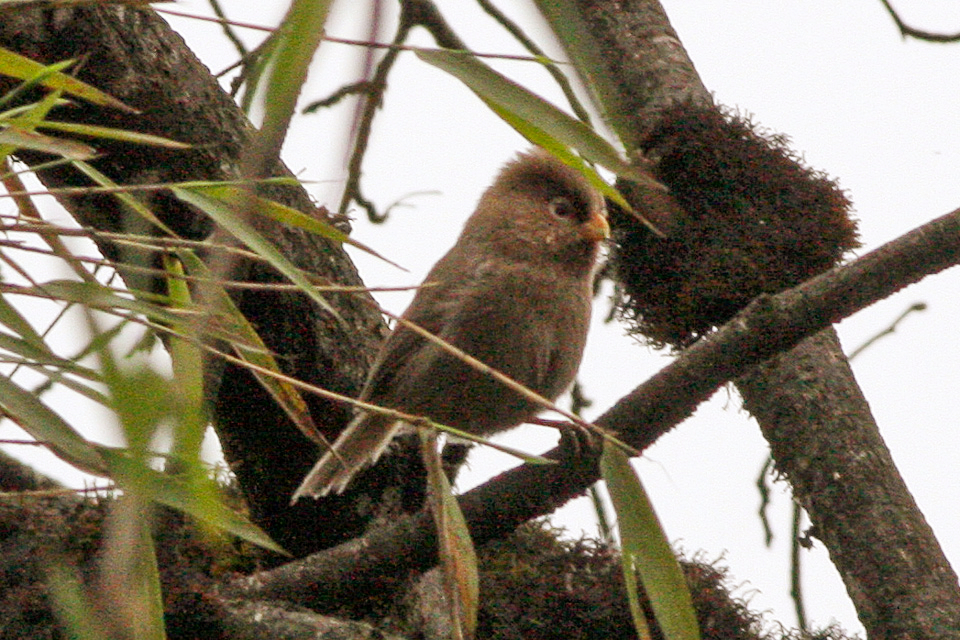
Barred Warbler
Sylvia nisoria
Order: Passeriformes / Family: Sylviidae

Wikimedia Commons
About the Barred Warbler
The Barred Warbler, scientifically known as Sylvia nisoria, is a notable songbird within the family Sylviidae. This medium-sized warbler possesses a distinctive appearance characterized by its heavily barred underparts, which give the bird its name. Found across Europe and parts of Asia, the Barred Warbler typically inhabits dense shrubs and woodland edges. Its presence is most notable in regions such as Eastern Europe, where it breeds in significant numbers. This species plays a crucial role in its ecosystem by controlling insect populations, as insects form a primary component of its diet. Through its active foraging, the Barred Warbler contributes to the ecological balance within its habitat.
The Barred Warbler is of particular interest to ornithologists and birdwatchers due to its relatively secretive nature. Unlike some of its more conspicuous relatives, it prefers to remain hidden within dense foliage, making direct observation a rewarding challenge. During the breeding season, which spans from May to July, the Barred Warbler becomes more vocal and easier to locate as males perform their melodic songs to attract mates and establish territories. The breeding season is also when the Barred Warbler engages in its most vibrant displays of territorial behavior, often involving chases and vocal duels with rival males.
Ecologically, the Barred Warbler serves as an important bioindicator. Its presence and population trends can provide valuable insights into the health of the shrubland and woodland ecosystems it inhabits. As a migratory species, the Barred Warbler undertakes extensive journeys between its breeding grounds in Europe and its wintering areas in Eastern Africa and South Asia. These migratory patterns highlight the bird's adaptability and resilience, as it navigates diverse environments across continents. The Barred Warbler's successful migration depends on the availability of suitable stopover habitats, where it can rest and refuel during its long journeys.
The Barred Warbler belongs to the family Sylviidae, within the order Passeriformes. These birds typically live average 4-6 years, with a maximum recorded of 9 years..
How to Identify a Barred Warbler
Identifying the Barred Warbler in the field requires attention to its distinct physical characteristics. Adult Barred Warblers exhibit a grayish upper body with a subtle brown tinge, while their underparts are conspicuously barred with blackish markings. This barring is more pronounced in males, making them slightly easier to identify compared to females. Juvenile Barred Warblers, on the other hand, display a more muted coloration with less distinct barring, often causing confusion with other warbler species.
Both sexes have a pale eye-ring and a relatively robust body, which distinguishes them from the slimmer and more uniformly colored warblers like the Garden Warbler. When in flight, the Barred Warbler shows broad, rounded wings and a long tail, a silhouette that aids in identification from a distance. Their flight is typically low and undulating, often followed by rapid dives into cover, reflecting their preference for remaining concealed.
On perches, Barred Warblers adopt a slightly upright posture, often flicking their tails as they survey their surroundings. This behavior, combined with their unique barring, assists observers in distinguishing them from similar species, such as the Lesser Whitethroat, which lacks the heavy barring and has a more delicate build.
Having trouble telling birds apart? Upload a photo to our bird identification tool for an instant species match.
Barred Warbler Habitat and Range
Preferred Habitat
The Barred Warbler primarily inhabits shrubby areas, edges of woodlands, and semi-open landscapes with dense undergrowth. Its presence is often noted in areas where young trees and bushes provide ample cover and foraging opportunities. This bird is commonly found at elevations ranging from lowlands to mid-elevations, preferring areas that offer a mix of open space for flight and dense vegetation for nesting and concealment.
During the breeding season, the Barred Warbler seeks habitats rich in shrubs such as hawthorn, blackthorn, and elder, which provide both food and nesting sites. In the non-breeding season, while wintering in Africa and parts of Asia, it frequents similar semi-arid and scrubby habitats. Although primarily a bird of rural and natural landscapes, the Barred Warbler can sometimes be found in suburban areas where suitable habitat persists, especially during migration.
The Barred Warbler demonstrates some adaptability in its habitat preferences, utilizing available resources across its range. However, it is largely absent from heavily urbanized areas and dense forests, which lack the open structure and undergrowth it requires.
Geographic Range
The Barred Warbler has a broad range that spans across Europe and into Asia. Its breeding range extends from central and eastern Europe, including countries such as Poland, Ukraine, and Russia, reaching into parts of Central Asia. During the breeding season, it is most commonly found in regions where shrubland and open woodland habitats prevail.
In the winter months, the Barred Warbler migrates to warmer climates, traveling to eastern and southern Africa, as well as parts of the Indian subcontinent. This remarkable migratory journey sees them crossing vast distances, with migration corridors passing through the Middle East and northeastern Africa. Key stopover sites include areas in the Mediterranean and the Red Sea region, where the birds can rest and refuel.
Population densities of Barred Warblers are typically higher in the eastern parts of their range, reflecting the availability of their preferred habitats. While the species is relatively widespread during migration, it is concentrated in specific hotspots where environmental conditions are optimal for both breeding and wintering.
Want to know which birds visit your area? Browse our backyard birds by location guides for region-specific species lists.
What Does the Barred Warbler Eat?
The diet of the Barred Warbler primarily consists of insects and other small invertebrates, making it an adept insectivore. During the breeding season, it feeds extensively on caterpillars, beetles, and spiders, which are abundant in its shrubby breeding habitats. This diet provides essential protein and nutrients necessary for raising young.
As the seasons change, the Barred Warbler's diet adapts to available resources. In the late summer and autumn, it supplements its insect diet with fruits and berries. This shift is crucial as it prepares for migration, storing energy-rich food that supports its long journey to wintering grounds. Blackberries, elderberries, and other small fruits become significant components of its diet during this period.
The Barred Warbler employs a foraging technique that involves actively searching through foliage and branches, often making short flights between feeding sites. This behavior allows it to exploit a variety of food sources within its habitat. Its feeding schedule is primarily diurnal, with peaks in activity during the early morning and late afternoon when insects are most active.
Barred Warbler Behavior and Social Structure
The social structure of the Barred Warbler is primarily solitary or observed in pairs during the breeding season. Males establish and defend territories through vocal displays and physical chases, often engaging in aerial maneuvers to assert dominance. These territorial disputes can be quite animated, with males singing from prominent perches to advertise their presence.
Courtship displays involve a combination of song and visual signals. Males perform a series of rapid flights and wing flicks to attract females, showcasing their agility and fitness. Once paired, both male and female participate in nest building and raising young, although the male often takes a more active role in territory defense.
Outside the breeding season, the Barred Warbler is less territorial and more tolerant of conspecifics. During migration, it may join mixed-species foraging flocks, benefiting from the increased vigilance and foraging efficiency such groups provide. The Barred Warbler's response to predators typically involves rapid retreat into dense cover, utilizing its cryptic plumage to remain hidden from view.
Barred Warbler Nesting and Reproduction
The Barred Warbler constructs a delicate cup-shaped nest, often situated within dense shrubs or low trees. Preferred nesting sites include hawthorn and blackthorn bushes, where the dense foliage offers protection from predators. The nest is woven from grasses, plant fibers, and lined with softer materials such as feathers and hair, providing insulation for the eggs.
Clutch size varies but typically consists of 3 to 5 eggs, which are pale with variable speckling. Both parents share incubation duties, which last about 11 to 13 days. During this period, the adults alternate between incubating the eggs and foraging for food. Once hatched, the chicks remain in the nest for approximately 12 to 14 days, during which both parents are actively involved in feeding and caring for them.
The Barred Warbler generally raises one brood per year, although in some parts of its range, a second brood may occur if conditions are favorable. Parental roles involve both provisioning food and protecting the nest from potential threats, ensuring the survival of the young until they fledge.
Barred Warbler Sounds and Vocalizations
The primary song of the Barred Warbler is a series of melodious notes and trills, delivered with a rhythmic and somewhat scratchy quality. The song often includes varied phrases, with some parts resembling the warbling of a Blackcap, yet it remains distinct due to its harsher tone and repeated sequences.
In addition to its song, the Barred Warbler emits several call notes, including a harsh 'tchack' used as an alarm call when predators or intruders are nearby. This call is sharp and abrupt, serving as an effective warning to other birds in the vicinity.
The dawn chorus of the Barred Warbler is particularly vibrant during the breeding season, as males compete acoustically to establish and maintain territories. The overall soundscape is a mix of individual songs interspersed with the occasional call, creating a lively auditory environment within its habitat.
Interesting Facts About the Barred Warbler
- 1The Barred Warbler can travel over 5,000 kilometers during its migration from Europe to Africa, showcasing impressive endurance.
- 2Juvenile Barred Warblers often lack the adult's distinctive barring, making them easily confused with other warbler species.
- 3Barred Warblers have been documented using over 30 different plant species for nesting, demonstrating adaptability in nest site selection.
- 4The Barred Warbler's call has been compared to the sound of distant machinery, earning it the nickname 'machine bird' in some regions.
- 5Despite its secretive nature, the Barred Warbler is surprisingly tolerant of human presence when not actively disturbed.
- 6The Barred Warbler's diet shifts to include up to 40% fruit during late summer, aiding in fat storage for migration.
- 7Males sing from exposed perches to maximize sound transmission, often choosing the highest available branch within their territory.
Barred Warbler Conservation Status
The Barred Warbler is currently listed as a species of Least Concern by the IUCN, indicating a stable population trend. Despite this, the species faces threats from habitat loss and degradation, particularly due to agricultural expansion and changes in land use. Conservation efforts focus on preserving and restoring suitable habitats, particularly in breeding areas where shrubland and open woodlands are replaced by monocultures or urban development. Monitoring of population trends continues to be crucial, as local declines could signal broader environmental issues. Historically, the Barred Warbler has shown resilience to moderate habitat changes, although ongoing conservation measures are necessary to ensure its continued stability across its range. Efforts to raise awareness about the importance of maintaining diverse habitats are essential in supporting both the Barred Warbler and other cohabiting species.