Brown Woodland-Warbler
Phylloscopus umbrovirens
Order: Passeriformes / Family: Phylloscopidae
Wikimedia Commons
About the Brown Woodland-Warbler
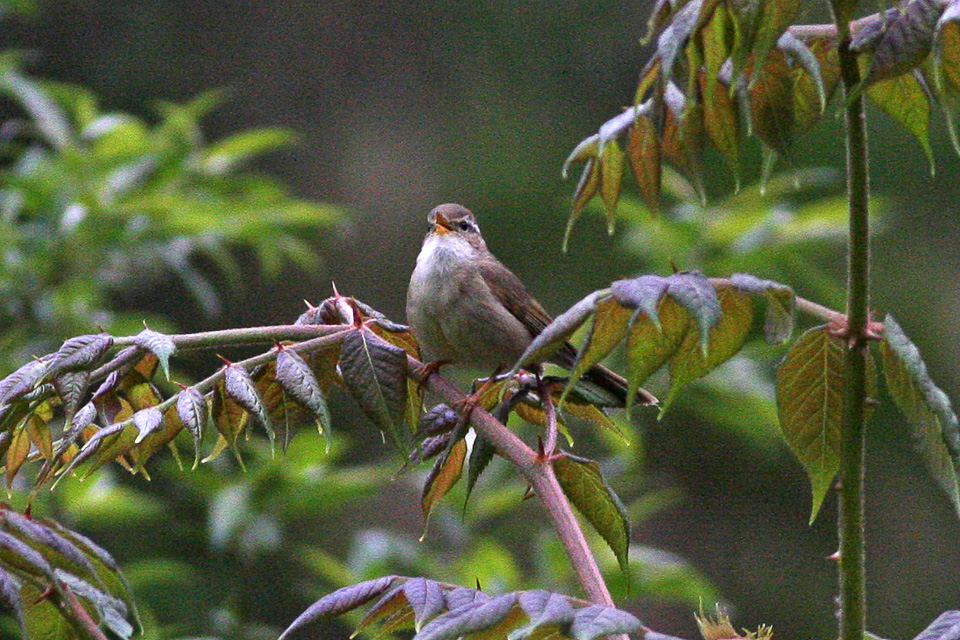
The Brown Woodland-Warbler, with the scientific name Phylloscopus umbrovirens, is a small, elusive bird belonging to the family Phylloscopidae. This bird predominantly inhabits the dense, lush forests of sub-Saharan Africa, thriving in regions such as Ethiopia, Kenya, and Tanzania. Its presence in these areas plays a crucial role in maintaining the ecological balance as it participates in insect control, contributing to the health of the forest ecosystem. The Brown Woodland-Warbler is particularly adapted to life in forest undergrowth and edges, providing it with ample food and protection from predators. This bird's subtle brown plumage offers excellent camouflage against the forest floor, a vital trait that aids in evading detection by both predators and keen observers.
The Brown Woodland-Warbler's ecological role extends beyond mere insect control; it also serves as an indicator of forest health. As a resident and non-migratory species, its presence can signify stable and healthy forest ecosystems. This warbler is active throughout the year, displaying a range of seasonal behaviors that reflect its adaptability to varying environmental conditions. During the breeding season, which typically spans from September to December, the Brown Woodland-Warbler becomes more vocal and territorial. Its song, a series of high-pitched notes, serves to establish territory and attract mates.
In terms of significance, the Brown Woodland-Warbler is a key species for birdwatchers and researchers aiming to study avian life in African forests. Its ability to adapt to different types of forested environments, from montane to lowland areas, makes it an interesting subject for ecological studies. Moreover, the species' wide range and stable population offer insight into the resilience of forest-adapted birds in the face of habitat changes. While not currently threatened, the Brown Woodland-Warbler's future depends on the preservation of its forest habitats, which face pressures from deforestation and land conversion.
The Brown Woodland-Warbler belongs to the family Phylloscopidae, within the order Passeriformes. These birds typically live average 2-3 years..
How to Identify a Brown Woodland-Warbler
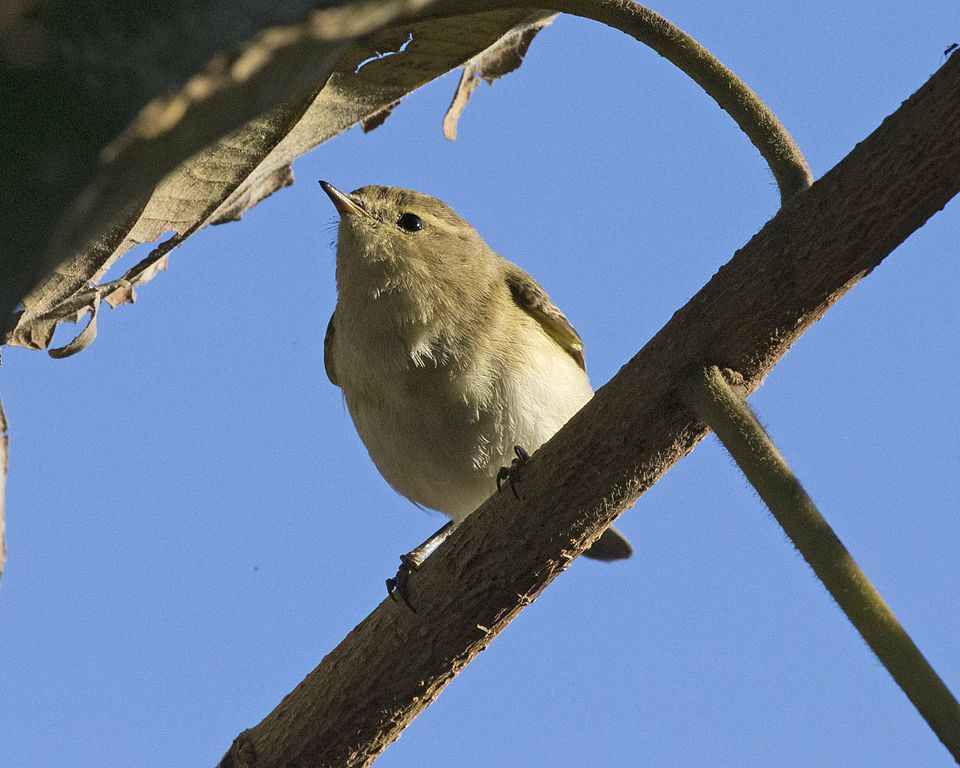
The Brown Woodland-Warbler is a small bird, typically measuring around 10 cm in length. It exhibits a subtle yet distinctive plumage that aids in its identification. Adults display an overall brown coloration with a paler underside. The back and wings have a slightly darker brown hue, while the underparts are more washed out with a light cream or buff tint. Its eye stripe is faint but noticeable, providing a key field mark. Juvenile Brown Woodland-Warblers resemble adults but have slightly fluffier plumage and less distinct markings.
Sexual dimorphism is minimal in this species, with males and females looking similar. This similarity can make differentiation in the field challenging, especially during non-breeding seasons when courtship behaviors are not observable. However, males may be slightly more vocal during the breeding season, offering an auditory clue for identification. In flight, the Brown Woodland-Warbler presents a compact silhouette, with rapid wingbeats and short flights through dense foliage.
The Brown Woodland-Warbler can be confused with other Phylloscopus species, particularly those sharing its range. However, its subtle brown coloration and preference for dense undergrowth help distinguish it from other, more brightly colored leaf warblers. Its perching posture, often with a slightly cocked tail, adds to its distinctive appearance for those familiar with forest-dwelling birds.
Having trouble telling birds apart? Upload a photo to our bird identification tool for an instant species match.
Brown Woodland-Warbler Habitat and Range
Preferred Habitat
The Brown Woodland-Warbler prefers dense, humid forests, often found within the undergrowth and along forest edges. It thrives in both primary and secondary forests, adjusting to various levels of forest maturity. In regions like Ethiopia and Kenya, it inhabits montane forests, often at elevations ranging from 1,500 to 3,000 meters. These habitats offer the warbler abundant food resources and protection from predators.
Seasonal habitat shifts are minimal for this species, as it is a resident bird with no migratory behavior. However, the warbler may move to slightly lower elevations during colder months, seeking warmer conditions and consistent food supply. Urban presence is rare, as the Brown Woodland-Warbler tends to avoid areas with significant human disturbance, preferring remote, undisturbed forested regions.
Geographic Range
The Brown Woodland-Warbler has a range that spans several countries within sub-Saharan Africa. It is commonly found in Ethiopia, Kenya, Tanzania, and Uganda, inhabiting the dense forests of these regions. Its breeding range is generally confined to these areas, with no significant migrations beyond its established range.
While it is a non-migratory species, the Brown Woodland-Warbler's range can exhibit slight altitudinal movements within its mountainous habitats. Population density is highest in regions with extensive forest cover, such as the Eastern Arc Mountains in Tanzania. These hotspots provide the ideal conditions of temperature and humidity, crucial for its survival and breeding.
The bird's stable presence across these regions indicates a well-adapted species, capable of thriving in its specialized habitat. Its range underscores the importance of forest conservation efforts to ensure the continued health and stability of the Brown Woodland-Warbler populations.
Want to know which birds visit your area? Browse our backyard birds by location guides for region-specific species lists.
What Does the Brown Woodland-Warbler Eat?
The diet of the Brown Woodland-Warbler primarily consists of small insects, which it gleans from leaves and branches in its forest habitat. It favors caterpillars, beetles, and other arthropods, employing a methodical foraging technique that involves flitting between perches and inspecting foliage carefully.
Seasonal changes in diet are minimal, although the availability of specific prey items may fluctuate with insect life cycles. During the breeding season, the demand for protein increases to support the energy requirements of raising young, making insect abundance crucial for successful nesting.
The warbler typically forages in the early morning and late afternoon, times when insect activity is high and foraging conditions are optimal. Its small size allows it to exploit a range of microhabitats within the forest, including the canopy and understory, ensuring a diverse and plentiful food supply.
Brown Woodland-Warbler Behavior and Social Structure
The Brown Woodland-Warbler exhibits a solitary or paired social structure, particularly during the breeding season when it becomes more territorial. Its territorial behavior is marked by frequent singing and active defense of nesting areas. Courtship displays involve vocalizations and subtle wing movements, aiding in mate attraction.
Outside the breeding season, it may form loose flocks with other small insectivorous birds, particularly when foraging in rich feeding grounds. This flocking behavior provides safety in numbers, reducing the risk of predation. It reacts to threats with alarm calls and erratic flight patterns, designed to confuse predators and alert nearby birds.
Daily activity patterns include feeding primarily during the cooler parts of the day, with rest periods during midday when temperatures peak. As a non-migratory bird, the Brown Woodland-Warbler maintains consistent behavior throughout the year, adapting to seasonal variations in insect abundance and habitat conditions.
Brown Woodland-Warbler Nesting and Reproduction
The Brown Woodland-Warbler constructs cup-shaped nests, typically located in dense foliage or low shrubbery within its forest habitat. These nests are crafted from grasses, leaves, and spider silk, providing a secure and camouflaged environment for eggs and nestlings.
Preferred nesting locations are often secluded, offering protection from predators and harsh weather. Clutch size usually ranges from two to four eggs, with the female primarily responsible for incubation. The incubation period lasts about 12-14 days, after which both parents partake in feeding and caring for the young.
Fledging occurs approximately two weeks after hatching, with juveniles remaining under parental supervision for an additional period to master foraging and survival skills. Typically, the Brown Woodland-Warbler raises one brood per year, although favorable conditions may lead to a second brood if food resources are abundant.
Brown Woodland-Warbler Sounds and Vocalizations
The primary song of the Brown Woodland-Warbler consists of a series of high-pitched, repetitive notes delivered in rapid succession. This rhythmic and melodious song is often heard during the breeding season, serving as a territorial and mating call.
Its call notes are softer and less complex, used for communication between mates and signaling alarm in response to threats. The alarm call is a sharp, single note that alerts other birds to potential danger.
During the dawn chorus, the Brown Woodland-Warbler contributes with its distinctive song, adding to the symphony of forest sounds. Its song can be compared to the familiar trill of other warbler species, yet it maintains a unique tempo and tonal quality that sets it apart.
Interesting Facts About the Brown Woodland-Warbler
- 1The Brown Woodland-Warbler can sing up to 20 different song variations, a trait that aids in territory defense.
- 2Despite its subtle coloring, the Brown Woodland-Warbler's song can carry over 50 meters in dense forest, allowing it to communicate effectively.
- 3Brown Woodland-Warblers can consume over 500 insects per day during peak breeding season, highlighting their role in pest control.
- 4These warblers have been observed using spider silk for nest construction, which provides both strength and flexibility.
- 5The Brown Woodland-Warbler's breeding season coincides with the rainy season, ensuring a plentiful food supply for raising young.
- 6Its preference for dense undergrowth often makes the Brown Woodland-Warbler one of the last birds spotted by birdwatchers in forest surveys.
- 7The Brown Woodland-Warbler can live up to 7 years in the wild, a considerable lifespan for a small passerine bird.
Brown Woodland-Warbler Conservation Status
The Brown Woodland-Warbler currently holds a status of Least Concern on the IUCN Red List, with a stable population trend. Its primary threats include habitat loss due to deforestation and land conversion for agriculture. Despite these pressures, its adaptability to secondary forests helps mitigate some habitat loss impacts. Conservation efforts focus on protecting forest habitats, ensuring sustainable land use, and preventing further encroachment into critical areas. Historical data indicate stable population levels, but continued monitoring is essential for early detection of potential threats. Collaboration between conservation organizations and local communities remains key in preserving the habitats that support the Brown Woodland-Warbler and other forest-dependent species.