
Chestnut-headed Flufftail
Sarothrura lugens
Order: Gruiformes / Family: Rallidae
Wikimedia Commons
About the Chestnut-headed Flufftail
The Chestnut-headed Flufftail (Sarothrura lugens) is a small, secretive bird belonging to the Rallidae family, primarily found in sub-Saharan Africa. Within this region, it inhabits a variety of wetland environments, including marshes and swamps, preferring dense vegetation where it can easily conceal itself. This flufftail's presence is especially notable in countries such as Uganda, Kenya, and Tanzania, where suitable habitats abound. The bird plays a crucial role in the wetland ecosystems by controlling insect populations, thus maintaining ecological balance. Its seasonal behaviors include a marked increase in vocal activity during the breeding season, which typically coincides with the rainy periods in its range, ensuring abundant food supply. The Chestnut-headed Flufftail is often heard rather than seen due to its reclusive nature and preference for staying hidden among dense reeds and grasses. This behavior makes it a species of interest for birdwatchers and ornithologists alike, who value the challenge of observing such an enigmatic bird. Its ecological role extends beyond pest control, as it also serves as prey for larger wetland predators, contributing to the complex food web of its habitat. Despite its elusive nature, the Chestnut-headed Flufftail's presence is a good indicator of healthy wetland environments, which are essential for a wide range of biodiversity. Efforts to study and conserve this bird provide insights into the health of wetland ecosystems and the impacts of environmental changes. As a result, understanding the Chestnut-headed Flufftail's habits and habitat needs can inform broader conservation strategies aimed at preserving these crucial ecosystems. Its distinctive vocalizations, contributing to the soundscape of African wetlands, are a vital component of its behavioral ecology, marking its territory and attracting mates. Through detailed research and monitoring, conservationists aim to ensure the survival of the Chestnut-headed Flufftail, recognizing its significance as both an ecological participant and an indicator species for wetland health.
The Chestnut-headed Flufftail belongs to the family Rallidae, within the order Gruiformes. These birds typically live average 3-5 years with a maximum recorded of 6 years..
How to Identify a Chestnut-headed Flufftail
The Chestnut-headed Flufftail is best identified by its rich chestnut head and contrasting black and white barred underparts. Adult males are particularly striking with their bright chestnut crowns and napes, while their upperparts are predominantly black with fine white speckles. Females, although similar, exhibit more subdued coloration with a slightly browner tone overall and less vivid chestnut on the head. Juveniles are duller, lacking the pronounced chestnut head of adults; instead, they display a more uniform brown appearance, which can lead to confusion with other small rails. In flight, the flufftail presents a rapid, whirring wingbeat, often remaining close to the ground, though it rarely flies long distances. When perched or moving through vegetation, it tends to keep a low, horizontal posture, aiding in its camouflage against the marshy background. The Chestnut-headed Flufftail can be mistaken for other flufftail species, but its unique chestnut head and distinct vocalizations usually set it apart from its relatives.
Having trouble telling birds apart? Upload a photo to our bird identification tool for an instant species match.
Chestnut-headed Flufftail Habitat and Range
Preferred Habitat
The Chestnut-headed Flufftail thrives in dense wetland habitats such as marshes, swamps, and reedbeds, where tall grasses and reeds provide ample cover. It is typically found at low to mid-elevations, though it has been recorded at higher altitudes in some regions. Seasonal habitat shifts may occur, driven by rainfall patterns that influence wetland conditions. Unlike many birds, it seldom ventures into urban areas, preferring the tranquility and cover of rural wetlands. During dry seasons, the bird may retreat to remaining pockets of moisture, emphasizing its reliance on healthy, intact wetland environments.
Geographic Range
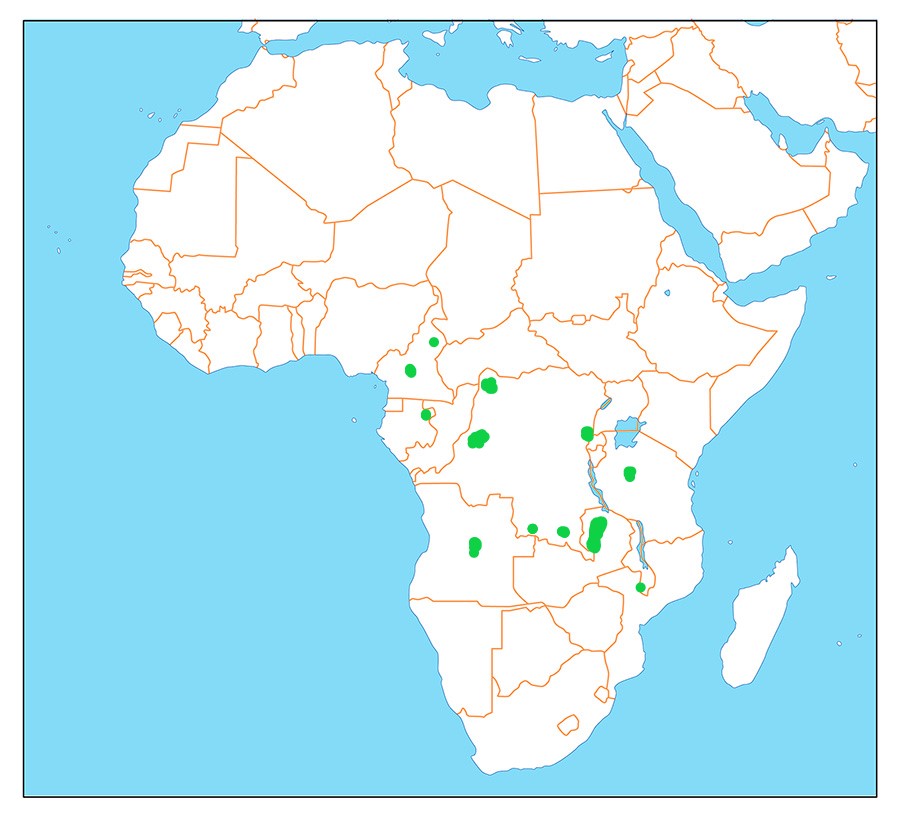
The Chestnut-headed Flufftail's range encompasses a broad swath of sub-Saharan Africa, with populations concentrated in eastern and central regions. It breeds in countries such as Uganda, Kenya, and Tanzania, where suitable wetland habitats are plentiful. The bird's range extends into parts of the Democratic Republic of the Congo and Rwanda, reflecting its adaptability to varying wetland conditions. Unlike many migratory birds, the flufftail is largely sedentary, exhibiting limited local movements in response to changing water levels and habitat availability. Population densities are highest in areas with extensive marshlands and minimal human disturbance.
Want to know which birds visit your area? Browse our backyard birds by location guides for region-specific species lists.
What Does the Chestnut-headed Flufftail Eat?
The diet of the Chestnut-headed Flufftail primarily consists of insects and other small invertebrates, which it forages for in the dense vegetation of its wetland habitat. During the rainy season, when insect populations are at their peak, the bird's diet is abundant with beetles, grasshoppers, and spiders. It employs a methodical foraging technique, using its bill to probe the soft mud and leaf litter for hidden prey. The flufftail occasionally consumes seeds and small plant material, particularly when invertebrate prey is scarce. Its feeding activity peaks during the early morning and late afternoon, coinciding with cooler temperatures and increased prey availability.
Chestnut-headed Flufftail Behavior and Social Structure
The Chestnut-headed Flufftail exhibits solitary behavior, although it pairs up during the breeding season. Territorial by nature, males are known for their distinctive calls, which serve to establish territory and attract mates. These calls often occur at dawn and dusk, when the bird is most active. Courtship displays include subtle movements and vocalizations, with males often engaging in mutual preening with females. The bird's response to predators is cautious, relying on its ability to remain still and hidden within dense vegetation. Flocking behavior is uncommon, with individuals maintaining separate territories and only interacting during breeding periods.
Chestnut-headed Flufftail Nesting and Reproduction
Chestnut-headed Flufftails construct nests in secluded areas within their wetland habitats. The nest is typically a shallow cup made from grasses and reeds, carefully concealed among dense vegetation to protect it from predators. A typical clutch consists of 3-5 eggs, which both parents incubate over a period of approximately 14-18 days. After hatching, the chicks, covered in down, are precocial and leave the nest shortly thereafter, though they remain under parental care for several weeks. The species may produce one to two broods per year, depending on environmental conditions and food availability.
Chestnut-headed Flufftail Sounds and Vocalizations
The primary vocalization of the Chestnut-headed Flufftail is a series of rhythmic, high-pitched whistles that are often heard during the early morning and late evening hours. These whistles serve both territorial and mate-attracting functions, resonating throughout the wetland environment. The bird also produces softer clucking sounds when alarmed, providing a means of communication between mates or with chicks. During the breeding season, its calls contribute to the dawn chorus, a symphony of wetland sounds that includes the calls of other rail species.
Interesting Facts About the Chestnut-headed Flufftail
- 1The Chestnut-headed Flufftail is one of only nine species in its genus, highlighting its unique evolutionary niche.
- 2Despite its secretive nature, the Chestnut-headed Flufftail's call is a reliable way for birders to locate it in dense vegetation.
- 3This flufftail can remain motionless for extended periods, blending seamlessly into its surroundings to avoid detection.
- 4The Chestnut-headed Flufftail's breeding season aligns with the rainy season, ensuring plentiful resources for raising young.
- 5Known for their vocal duets, Chestnut-headed Flufftail pairs often engage in synchronized calling during courtship.
- 6The bird's preference for dense cover means it is rarely seen in open areas, making sightings particularly rewarding.
- 7Conservation efforts for the Chestnut-headed Flufftail often benefit a wide array of wetland species that share its habitat.
Chestnut-headed Flufftail Conservation Status
The Chestnut-headed Flufftail is currently listed as Least Concern by the IUCN, indicating a stable population trend. However, its dependence on wetland habitats makes it vulnerable to habitat destruction and degradation, primarily from agricultural expansion and drainage. Conservation efforts focus on preserving wetland environments and promoting sustainable land use practices. Historical data suggests fluctuations in population sizes, largely linked to changes in wetland health. Protecting these habitats remains paramount to ensuring the species' continued survival.
Other Rallidae Species


Birds Similar to the Chestnut-headed Flufftail
These species are often confused with the Chestnut-headed Flufftail due to similar appearance or overlapping range.

