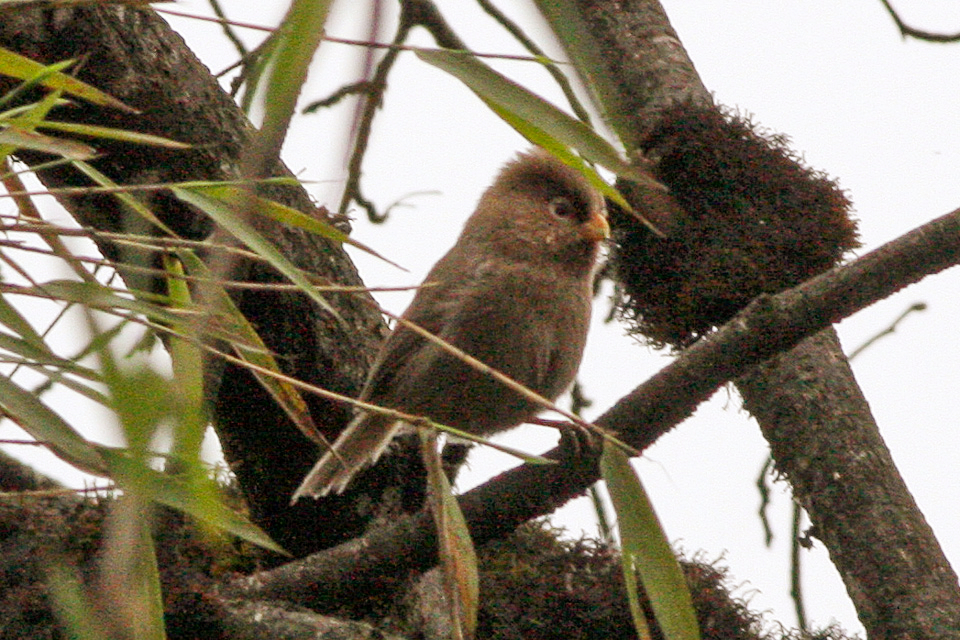
Curruca spec
Curruca spec
Order: Passeriformes / Family: Sylviidae

Wikimedia Commons
About the Curruca spec
The Curruca spec, a member of the Sylviidae family, is a small yet fascinating bird species renowned for its melodic vocalizations and agile behaviors. This bird thrives in diverse habitats across several continents, playing a significant role in the ecosystem by controlling insect populations. Particularly abundant in Europe and parts of Asia, the Curruca spec prefers temperate regions where it can exploit the availability of food resources throughout the seasons. During the breeding season, typically from late spring to early summer, this species exhibits an impressive range of behaviors as it establishes territories and raises its young. In winter, many populations migrate to warmer regions, highlighting their adaptability and resilience. The Curruca spec is particularly valuable for biodiversity as it contributes to the control of insects, thus supporting plant health and reducing the need for pesticides in certain areas. Furthermore, its presence indicates a healthy ecosystem, often used by ornithologists to assess environmental conditions. The bird's adaptability to various habitats, including woodlands, scrublands, and sometimes urban areas, demonstrates its ecological versatility. This songbird's seasonal movements and behaviors have been a subject of interest for researchers studying the impacts of climate change on migratory patterns. With its striking song and dynamic presence, the Curruca spec continues to captivate birdwatchers and scientists alike, who are keen to unravel the mysteries of its life cycle and ecological impact.
The Curruca spec belongs to the family Sylviidae, within the order Passeriformes. These birds typically live variable, with some species living up to 7 years.
How to Identify a Curruca spec
The Curruca spec is a small songbird, typically measuring between 12 to 15 cm in length, with a wingspan ranging from 18 to 22 cm. Adult males generally exhibit a more vibrant plumage compared to females, featuring a mixture of gray and brown with subtle white streaks on the underparts. The females, while similar, often have a slightly duller coloration, aiding in camouflage during nesting periods. Juveniles resemble the females but tend to be even more subdued in color. One distinctive feature of the Curruca spec is its slender build and long, dexterous tail, which it uses for balancing and maneuvering through dense foliage. In flight, the bird presents a fluttering pattern, with rapid wing beats interspersed with short glides. When perched, the Curruca spec often adopts an alert posture, frequently flicking its tail and tilting its head to survey its surroundings. This bird can easily be confused with other members of the Sylviidae family, but its unique song and behavior patterns aid in its identification.
Having trouble telling birds apart? Upload a photo to our bird identification tool for an instant species match.
Curruca spec Habitat and Range
Preferred Habitat
Curruca spec inhabits a variety of landscapes, predominantly favoring woodland edges, hedgerows, and scrublands where dense vegetation provides ample cover and feeding opportunities. These birds are commonly found at elevations ranging from sea level to about 1500 meters, depending on the region. During the breeding season, they select habitats with abundant insect life and suitable nesting sites. In winter, some populations migrate to lower elevations or more temperate areas, often venturing into urban parks and gardens where food remains accessible. While primarily found in rural settings, the adaptability of the Curruca spec allows it to exploit suburban habitats, particularly during migration.
Geographic Range
The Curruca spec has a broad breeding range across Europe, extending into parts of western and central Asia. Notably, the bird occupies regions from the Iberian Peninsula, through central Europe, and into Russia. In winter, many individuals migrate southwards, with significant populations reaching the Mediterranean basin, North Africa, and even parts of the Middle East. Key migration corridors include the central European flyway and the eastern route through the Balkans. Within these ranges, the Curruca spec varies in population density, with hotspots in areas boasting rich insect populations and minimal human disturbance.
Want to know which birds visit your area? Browse our backyard birds by location guides for region-specific species lists.
What Does the Curruca spec Eat?
The Curruca spec primarily feeds on insects and other small invertebrates, which it skillfully plucks from foliage or captures mid-air. Its diet includes caterpillars, beetles, spiders, and occasionally small mollusks. During the breeding season, the bird's dietary needs intensify, requiring a rich supply of protein to support chick development. As autumn approaches and insect availability diminishes, the Curruca spec incorporates more fruit and berries into its diet, such as elderberries and blackberries, which provide essential sugars and nutrients for migration. The bird typically forages during daylight hours, exhibiting a methodical approach as it searches through leaves and branches.
Curruca spec Behavior and Social Structure
The Curruca spec exhibits a range of fascinating behaviors, particularly in its social and territorial interactions. During the breeding season, males become highly vocal, using their songs to establish and defend territories. These songs, combined with visual displays, help deter rivals and attract mates. While generally solitary or found in pairs during breeding, the Curruca spec may join small flocks outside this period, particularly during migration. These flocks, often mixed with other small passerines, enhance foraging efficiency and provide protection against predators. The bird's daily activities are primarily diurnal, with peak foraging occurring in the early morning and late afternoon. In response to predators, the Curruca spec employs a variety of alarm calls and evasive maneuvers, often retreating into dense cover.
Curruca spec Nesting and Reproduction
Curruca spec constructs its nests in dense shrubs or low trees, utilizing grass, twigs, and spider silk to create a compact cup structure. Nests are usually placed 1 to 3 meters above the ground, providing concealment from predators. The typical clutch consists of 3 to 5 eggs, which the female incubates for about 11 to 13 days. During this period, the male frequently brings food to the female. Once hatched, both parents partake in feeding the chicks, which fledge approximately 10 to 14 days after hatching. Curruca spec typically raises one to two broods per year, depending on environmental conditions and food availability.
Curruca spec Sounds and Vocalizations
The primary song of the Curruca spec is a melodious series of warbling notes, often described as fluid and rhythmic. This song, delivered by males, serves both territorial and courtship purposes. In contrast, the bird's call notes are short and sharp, used for communication between mates and signaling alarm. During the dawn chorus, the Curruca spec's song is particularly prominent, contributing to the vibrant symphony of morning birdlife. Its alarm calls are more abrupt and can resemble the chattering of other small birds, serving as an effective warning signal.
Interesting Facts About the Curruca spec
- 1The Curruca spec can travel over 3000 kilometers during its migratory journey between breeding and wintering grounds.
- 2Despite its small size, the Curruca spec is known to fiercely defend its territory from larger bird species.
- 3This bird's song has been scientifically studied for its complexity, revealing over 30 distinct note variations.
- 4Curruca spec can alter its song repertoire based on regional dialects, similar to human language variations.
- 5The bird's name derives from the Latin word for 'whistler,' a nod to its prominent vocal abilities.
- 6In urban areas, Curruca spec often nests in gardens, showcasing its adaptability to human-altered landscapes.
- 7Curruca spec can consume up to 50% of its body weight in insects daily during peak feeding periods.
Curruca spec Conservation Status
Currently, the Curruca spec holds a status of Least Concern according to the IUCN. While some regional populations show declines due to habitat loss and agricultural intensification, overall numbers remain stable. Conservation efforts focus on preserving natural habitats and mitigating threats from pesticide use, which reduces insect availability. Historical data indicate fluctuations in population trends, often linked to climatic variations and land-use changes. Continued monitoring and habitat protection are essential to ensure the long-term survival of this adaptable species.