
Desert Whitethroat
Sylvia minula
Order: Passeriformes / Family: Sylviidae

Wikimedia Commons
About the Desert Whitethroat
The Desert Whitethroat (Sylvia minula) is a small, insectivorous bird found primarily in arid and semi-arid regions. This member of the Sylviidae family exhibits remarkable adaptability to harsh desert environments, where it plays a crucial ecological role as both predator and prey. It helps control insect populations, thus contributing to the balance of its ecosystem. This bird inhabits parts of Central Asia, with notable populations in Kazakhstan, Uzbekistan, Turkmenistan, and parts of Iran. During the breeding season, Desert Whitethroats are often found in open scrublands, semi-deserts, and rocky outcrops. Their presence is a vital indicator of the health of these fragile habitats. They are known for their subtle yet complex song, which they use during courtship and territorial displays. In winter, some populations migrate to the warmer regions of the Middle East, such as Oman and the United Arab Emirates. Their seasonal movements reflect a well-adapted strategy to maximize resource availability. The Desert Whitethroat's ability to thrive in such challenging conditions highlights its evolutionary success. Studies have shown that these birds contribute to seed dispersal in their habitats, aiding in the regeneration of native plant species. They also serve as prey for a variety of predators, including larger birds and small mammals, thus forming an integral part of the desert food web. Understanding the Desert Whitethroat's ecological role emphasizes the importance of conservation efforts in these delicate ecosystems. Habitat degradation, due to both natural and anthropogenic factors, poses a significant threat to their populations. Conservationists monitor these birds as indicators of environmental health, ensuring that conservation strategies align with the preservation of desert biodiversity.
The Desert Whitethroat belongs to the family Sylviidae, within the order Passeriformes. These birds typically live 4-5 years on average, with a maximum recorded of 6 years..
How to Identify a Desert Whitethroat
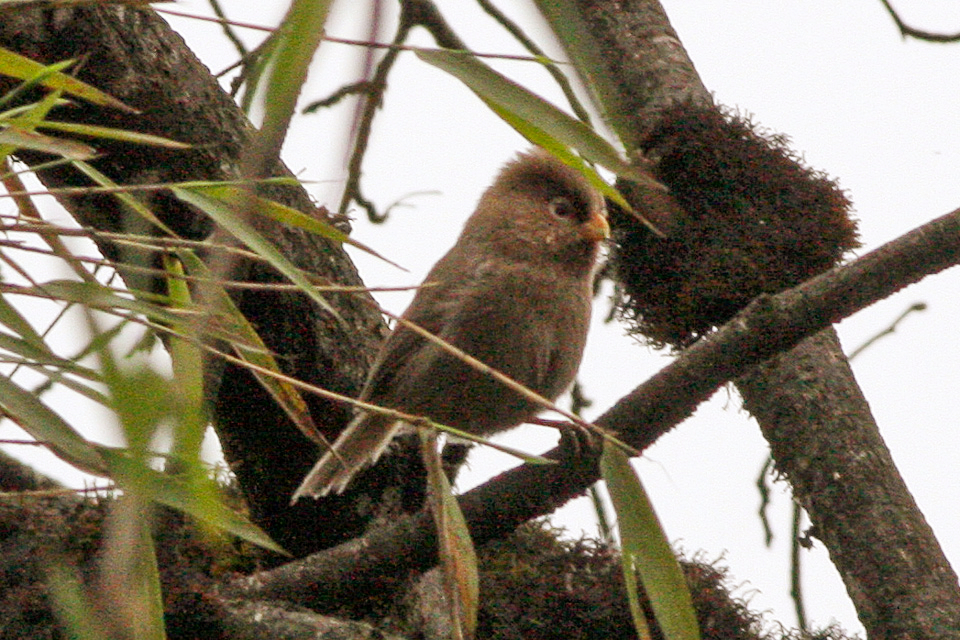
Identifying the Desert Whitethroat requires attention to several key field marks. Adults typically exhibit pale grey upperparts, with a lighter, almost white throat that gives the bird its name. The underparts are a soft buff color, which may vary slightly in intensity between individuals. Males and females are generally similar in appearance, though males may have a slightly more pronounced grey tone. Juveniles can be distinguished by their more subdued coloration, often appearing browner than adults. In flight, the Desert Whitethroat shows a distinctive silhouette with a relatively long tail and pointed wings, allowing for agile maneuverability. When perched, it often adopts an upright posture, which, combined with its small size, helps differentiate it from similar species. The Whitethroat's subtle plumage may lead to confusion with the Lesser Whitethroat (Sylvia curruca), but the latter tends to have darker, more contrasting coloration. Observing vocalizations can also aid in identification, as the Desert Whitethroat's song is more variable and complex. Notably, the absence of a marked eye-ring further helps in distinguishing it from related species.
Having trouble telling birds apart? Upload a photo to our bird identification tool for an instant species match.
Desert Whitethroat Habitat and Range
Preferred Habitat
The Desert Whitethroat primarily inhabits arid and semi-arid regions, thriving in landscapes that include scrublands, semi-deserts, and rocky terrains. These environments often have sparse vegetation, consisting of shrubs and low bushes, which provide essential cover and foraging resources. The species is typically found at elevations ranging from sea level to approximately 2000 meters, although it shows a preference for lower altitudes where conditions are less harsh. Seasonal habitat shifts occur as these birds move to slightly more vegetated areas during the breeding season to take advantage of increased food availability. While predominantly associated with rural and remote areas, the Desert Whitethroat can occasionally be observed in the outskirts of urban environments where suitable habitat patches exist. Their resilience to habitat fragmentation enables them to persist in areas where other species may struggle.
Geographic Range
The breeding range of the Desert Whitethroat extends across Central Asia, with key populations in Kazakhstan, Uzbekistan, Turkmenistan, and parts of Iran. During the non-breeding season, some populations migrate southwards to the Middle East, particularly to regions in Oman and the United Arab Emirates. These migrations are primarily in response to climatic conditions and food availability, showcasing the species' adaptability. The bird tends to follow established migration corridors that provide essential stopover sites for refueling. While the overall population is considered widespread, certain areas act as density hotspots, particularly in regions with optimal habitat conditions. The Desert Whitethroat's ability to occupy a range of geographical areas underscores its ecological versatility and adaptability to varying environmental conditions.
Want to know which birds visit your area? Browse our backyard birds by location guides for region-specific species lists.
What Does the Desert Whitethroat Eat?
The Desert Whitethroat's diet primarily consists of insects and other small invertebrates, which it actively forages for among low vegetation and on the ground. Common prey items include beetles, ants, and caterpillars, with a preference for those that are easily accessible in its arid habitat. During the breeding season, when food demands are higher, the Whitethroat may also consume a variety of plant material, such as seeds and berries, supplementing its diet as needed. Foraging typically occurs during the cooler parts of the day, such as early morning and late afternoon, to avoid the high temperatures that characterize its environment. The bird employs a combination of gleaning and hawking techniques, capturing prey both from foliage and in mid-air. This opportunistic feeding strategy allows the Desert Whitethroat to exploit a broad range of food resources, thereby enhancing its ability to thrive in desert ecosystems.
Desert Whitethroat Behavior and Social Structure
Desert Whitethroats exhibit a solitary or paired social structure during the breeding season, with pairs establishing and defending territories through song and displays. Males perform courtship displays that include singing from elevated perches and engaging in aerial displays to attract mates. Outside the breeding season, these birds may join small, loose flocks, particularly during migration or in wintering areas, where food resources are more scattered. The species is generally active during daylight hours, with peak activity in the cooler parts of the day. When threatened by predators, Desert Whitethroats employ a variety of evasive maneuvers, including rapid, erratic flight and seeking cover in dense vegetation. Their vigilance and responsiveness to predator presence are critical for survival in the open, exposed environments they often inhabit.
Desert Whitethroat Nesting and Reproduction
The nesting habits of the Desert Whitethroat involve constructing a cup-shaped nest, typically located in low shrubs or bushes. These nests are made from a combination of grasses, twigs, and occasionally spider silk, providing a secure structure for eggs. The preferred nesting height ranges from 0.5 to 1.5 meters above the ground, ensuring concealment from predators. Clutch size generally consists of 3 to 5 eggs, which are incubated primarily by the female for approximately 12 to 14 days. Both parents participate in feeding and caring for the young, which fledge after about 12 to 15 days post-hatching. The Desert Whitethroat may raise one or two broods per year, depending on environmental conditions and food availability. The species' reproductive success is closely linked to the timing of food abundance in its desert habitat.
Desert Whitethroat Sounds and Vocalizations
The Desert Whitethroat's primary song is a melodious series of warbling notes, characterized by its rhythmic and varied pitch. This song serves as both a territorial and courtship display, often delivered from prominent perches. Call notes are typically soft and include a variety of short, sharp 'chit' sounds used for communication between individuals. The alarm calls are more abrupt and harsh, designed to warn conspecifics of potential danger. During the dawn chorus, males are particularly vocal, marking the start of daily activities. The song's complexity and versatility make it an essential component of the Desert Whitethroat's behavioral repertoire, aiding in both mate attraction and territory defense.
Interesting Facts About the Desert Whitethroat
- 1The Desert Whitethroat is capable of surviving in temperatures that exceed 40 degrees Celsius, showcasing remarkable heat tolerance.
- 2During migration, Desert Whitethroats can travel distances of over 3000 kilometers to reach their wintering grounds.
- 3The species can modulate its song complexity based on social context, demonstrating advanced vocal adaptability.
- 4Desert Whitethroats are known to hybridize occasionally with the closely related Lesser Whitethroat, producing viable offspring.
- 5In addition to insects, the Desert Whitethroat's diet can comprise up to 30% plant material, depending on seasonal availability.
- 6The bird's pale coloration provides effective camouflage against the sandy, rocky backgrounds of its desert habitat.
- 7Desert Whitethroats contribute to the pollination of certain desert plants by inadvertently transferring pollen while foraging.
Desert Whitethroat Conservation Status
The Desert Whitethroat is currently listed as Least Concern by the IUCN, with populations considered stable across most of its range. However, localized threats such as habitat degradation due to overgrazing, agricultural expansion, and climate change pose significant risks to specific populations. Conservation efforts focus on habitat preservation and monitoring population trends to ensure long-term stability. Historically, the species has shown resilience to changing environmental conditions, but continued vigilance is necessary to mitigate potential impacts from human activities and environmental changes.
Other Sylviidae Species



Birds Similar to the Desert Whitethroat
These species are often confused with the Desert Whitethroat due to similar appearance or overlapping range.
