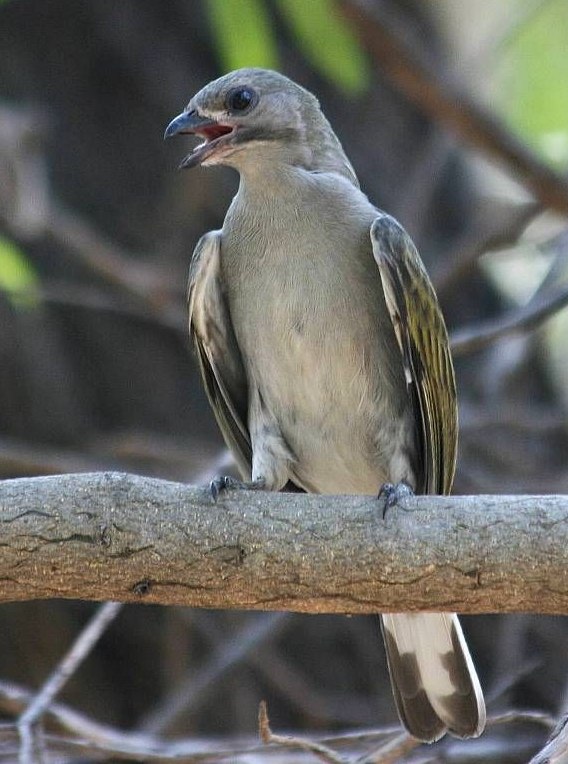
Ethiopian Bee-eater
Merops lafresnayii
Order: Coraciiformes / Family: Meropidae

Wikimedia Commons
About the Ethiopian Bee-eater
The Ethiopian Bee-eater (Merops lafresnayii) stands as a vibrant representative of the Meropidae family, adorned with brilliant plumage that captivates bird enthusiasts and researchers alike. This species, endemic to the Ethiopian highlands, showcases a unique adaptation to the montane environment that defines much of its life and behaviors. Its presence is significant in these regions, not only as a visual delight but also as an integral component of the local ecosystem, playing a crucial role in insect population control.
Often found in regions such as the Simien Mountains National Park and Bale Mountains National Park, the Ethiopian Bee-eater thrives in open woodlands and grasslands at elevations ranging from 1,500 to 3,000 meters. These habitats provide ample opportunities for foraging and nesting, ensuring the species' continued success. The bird's ecological niche involves the regulation of insect populations, particularly bees and wasps, which it skillfully captures in flight. This predation not only benefits the bee-eater but also helps maintain a balanced insect ecosystem, potentially impacting local agriculture by controlling pest populations.
Seasonally, the Ethiopian Bee-eater exhibits behaviors that are intricately linked to the availability of food resources. During the breeding season, which coincides with the rainy months from April to August, the increased abundance of insects supports successful reproduction. Outside of these months, the bird's behavior shifts slightly as it adjusts its foraging strategies to cope with changes in prey availability. Despite these seasonal differences, the Ethiopian Bee-eater remains a year-round resident of its native range, with minimal migratory movement observed.
Overall, the Ethiopian Bee-eater serves as a vital part of the montane ecosystems in Ethiopia. Its presence indicates a healthy insect population and indirectly supports the agricultural practices of local communities. By understanding the bird's habits and ecological role, conservation efforts can be better directed to preserve this species and its habitat, ensuring that the Ethiopian highlands remain a vibrant and biodiverse region.
The Ethiopian Bee-eater belongs to the family Meropidae, within the order Coraciiformes. These birds typically live typically 6-8 years, with some individuals reaching up to 12 years..
How to Identify a Ethiopian Bee-eater
Identifying the Ethiopian Bee-eater involves noting its vibrant coloration and distinct features. Adult Ethiopian Bee-eaters display a striking combination of emerald green plumage, a vivid blue throat, and a contrasting black eye stripe. This eye stripe extends from the base of the bill across the eye, enhancing the bird's piercing look. The underparts are lighter, with a subtle greenish hue that complements the dominant colors.
Juvenile Ethiopian Bee-eaters, while similar in appearance to adults, exhibit a duller plumage with less defined coloration. The blue of the throat is less pronounced in young birds, and the overall green of the body tends to be more muted. Sexual dimorphism in this species is minimal, with males and females appearing nearly identical in plumage and size, making visual differentiation challenging without behavioral cues.
In flight, the Ethiopian Bee-eater's silhouette is characterized by long, pointed wings and a slightly forked tail, which aid in its agile aerial maneuvers. When perched, it often adopts an upright posture on exposed branches or wires, making it an easily observed subject for birders. The Ethiopian Bee-eater's vibrant colors and distinctive shape make it unlikely to be confused with other species, although it shares some similarities with other bee-eaters in the region. However, its specific combination of green and blue hues, along with its unique habitat preference, helps distinguish it from these relatives.
Having trouble telling birds apart? Upload a photo to our bird identification tool for an instant species match.
Ethiopian Bee-eater Habitat and Range
Preferred Habitat
The Ethiopian Bee-eater primarily inhabits the high-altitude regions of Ethiopia, favoring open woodlands, grasslands, and montane savannas. Its preference for elevations between 1,500 and 3,000 meters allows it to exploit ecological niches that are less accessible to other bee-eater species. This choice of habitat provides ample opportunities for nesting and foraging, supported by a variety of insect prey.
While it is predominantly associated with rural landscapes, the Ethiopian Bee-eater can also be observed near human settlements, particularly in areas where traditional agriculture practices create a mosaic of open spaces and hedgerows. Its ability to adapt to these modified landscapes showcases its versatility and resilience.
Seasonal habitat shifts are minimal for the Ethiopian Bee-eater, as it remains a resident species within its range. However, during the breeding season, the bird may seek out specific habitats that offer both nesting opportunities and abundant food resources, such as areas with loose, sandy soil for burrow excavation. This adaptability to both rural and semi-urban environments highlights its ecological flexibility.
Geographic Range
The range of the Ethiopian Bee-eater is primarily confined to Ethiopia, where it is a resident species throughout the year. This endemic bird is prominently found in the highlands, with its presence recorded in notable regions such as the Simien Mountains and Bale Mountains. These areas provide the necessary altitude and habitat diversity that the species favors.
While the Ethiopian Bee-eater does not migrate over long distances, it does exhibit local movement patterns in response to seasonal changes in food availability and breeding conditions. This limited dispersal ensures that the species maintains a stable presence within its core range.
Population density hotspots typically correspond to areas with optimal habitat conditions, including abundant insect prey and suitable nesting sites. These locations are often associated with protected areas, where conservation efforts help maintain the ecological integrity of the region. As a result, the Ethiopian Bee-eater benefits from both natural and managed landscapes, ensuring its continued survival in its endemic range.
Want to know which birds visit your area? Browse our backyard birds by location guides for region-specific species lists.
What Does the Ethiopian Bee-eater Eat?
The Ethiopian Bee-eater primarily feeds on a diet of flying insects, with a strong preference for bees and wasps. This diet is a hallmark of the Meropidae family and is facilitated by the bird's swift aerial hunting skills. By capturing insects mid-flight, the Ethiopian Bee-eater demonstrates remarkable agility and precision.
Seasonal variations in insect availability can influence the bird's diet, with other flying insects such as dragonflies and butterflies supplementing its primary food sources during different times of the year. The bird's foraging technique involves perching on a vantage point, scanning the surroundings, and then launching into the air to capture prey. This strategy allows it to exploit various insect populations effectively.
Prey size typically ranges from small to medium-sized insects, with the bee-eater's sharp bill playing a crucial role in handling and consuming its catch. Feeding generally occurs throughout the day, with peaks in activity during the cooler morning and late afternoon hours when insects are most abundant and active. The Ethiopian Bee-eater's diet not only sustains its energy needs but also contributes to the regulation of local insect populations.
Ethiopian Bee-eater Behavior and Social Structure
The Ethiopian Bee-eater exhibits a complex social structure that includes both solitary and communal behaviors. While individuals may forage alone or in pairs, they often gather in small groups or large flocks, particularly outside the breeding season. This sociality aids in both food location and predator detection, enhancing the bird's survival chances.
Territorial behavior becomes more pronounced during the breeding season, as pairs establish nesting sites and defend them against intruders. Courtship displays involve aerial chases and the offering of food items by males to females, a behavior that strengthens pair bonds and signifies readiness to breed.
In response to predators, Ethiopian Bee-eaters rely on vocal alarms and evasive flight maneuvers to protect themselves and alert others. Their daily activity patterns largely revolve around foraging, with peak activity during periods of high insect availability. Roosting occurs in sheltered areas, often in groups, which provides additional protection and warmth.
Overall, the Ethiopian Bee-eater displays a blend of solitary and social behaviors that reflect its adaptability to the highland environment. Its complex social interactions and behavioral flexibility underscore its role as both a predator and a community member within its ecosystem.
Ethiopian Bee-eater Nesting and Reproduction
Ethiopian Bee-eaters engage in burrow nesting, a characteristic trait of the Meropidae family. They excavate tunnels in sandy banks, road cuttings, or similar earth embankments, where they lay their eggs. The choice of nesting site is influenced by the availability of suitable soil and proximity to foraging grounds.
Typically, the nest burrow measures between one to two meters in length, providing a secure environment for eggs and hatchlings. A clutch usually consists of three to five glossy white eggs. Both male and female parents share incubation duties, which last approximately three weeks until the eggs hatch.
After hatching, the chicks remain in the nest for about four to five weeks, during which they are fed by both parents. Parental roles extend beyond feeding, as they also involve nest defense and thermal regulation of the chicks. The Ethiopian Bee-eater generally raises one brood per year, although favorable conditions may allow for a second.
The nesting strategy of this species underscores the importance of suitable habitat and highlights the collaborative nature of their reproductive efforts. By understanding these nesting habits, conservationists can better protect the environments crucial for the Ethiopian Bee-eater's reproductive success.
Ethiopian Bee-eater Sounds and Vocalizations
The Ethiopian Bee-eater is known for its distinct vocalizations, which include a melodious series of high-pitched trills and chirps. These sounds are often described as a rapid "prrit-prrit" or "trrree-trrree," resonating with a musical quality that is both pleasant and distinctive.
Call notes serve various functions, such as maintaining contact within flocks or alerting others to potential threats. Alarm calls are typically sharper and more urgent, designed to convey the presence of predators.
During the dawn chorus, Ethiopian Bee-eaters contribute to the symphony of sounds that marks the beginning of the day in the highlands. Their calls are often interspersed with periods of silence, allowing them to listen for responses from other members of their group.
The vocal repertoire of the Ethiopian Bee-eater, though not as extensive as some songbirds, plays a crucial role in communication and social interaction within its flocks.
Interesting Facts About the Ethiopian Bee-eater
- 1The Ethiopian Bee-eater is one of the few bird species that can consume stinging insects like bees and wasps, using its specialized bill to remove stingers before eating.
- 2This species is endemic to Ethiopia, meaning it is found nowhere else in the world, highlighting the unique biodiversity of the Ethiopian highlands.
- 3Ethiopian Bee-eaters can form large flocks outside the breeding season, sometimes numbering over a hundred individuals.
- 4The bird's burrow nests can extend up to two meters into the earth, providing protection from predators and environmental extremes.
- 5During courtship, male Ethiopian Bee-eaters offer food to females, a behavior known as courtship feeding, which strengthens pair bonds.
- 6Ethiopian Bee-eaters contribute significantly to insect population control, particularly in agricultural areas where they help manage pest numbers.
- 7They are known for their agile flight, capable of executing sharp turns and rapid dives, making them highly effective aerial hunters.
Ethiopian Bee-eater Conservation Status
The Ethiopian Bee-eater currently holds a status of least concern according to the IUCN Red List. Its population trend appears stable, thanks in part to its adaptability to a range of habitats, including those altered by human activity. Primary threats to the Ethiopian Bee-eater include habitat degradation due to agricultural expansion and infrastructure development. However, its presence in several protected areas helps mitigate these impacts, providing safe havens where the species can thrive. Conservation efforts focus on habitat preservation and awareness campaigns to highlight the importance of this species within its ecosystem. Historical population changes have been minimal, with the bird maintaining a consistent presence in its endemic range. By supporting conservation initiatives and sustainable land management practices, efforts can ensure that the Ethiopian Bee-eater continues to flourish in the highlands of Ethiopia.