
Gray-headed Batis
Batis orientalis
Order: Passeriformes / Family: Platysteiridae
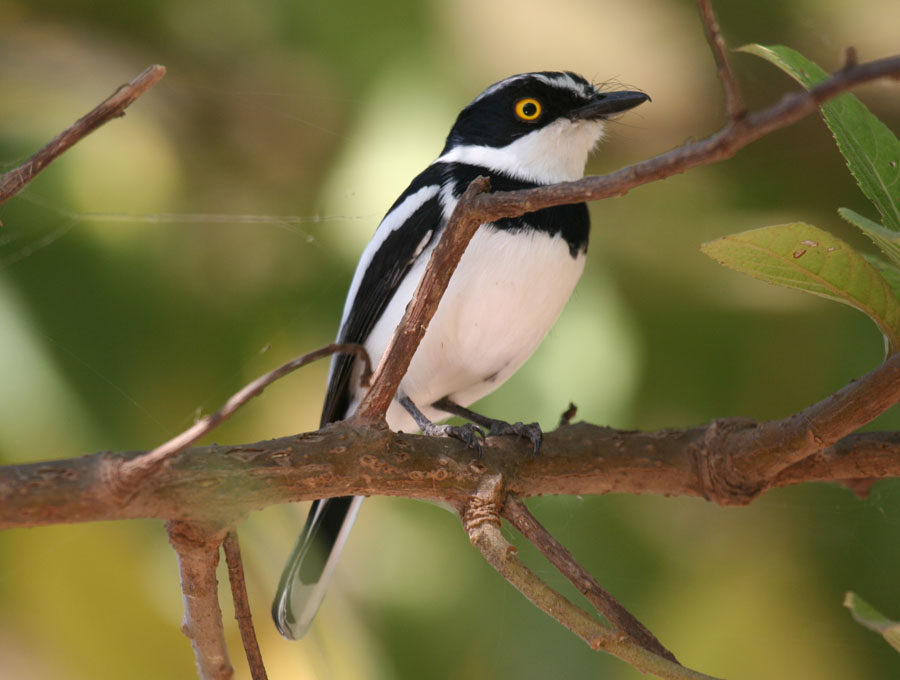
Wikimedia Commons
About the Gray-headed Batis
The Gray-headed Batis (Batis orientalis) is a small passerine bird known for its striking appearance and dynamic behavior. This bird, a member of the Platysteiridae family, thrives in the woodlands and savannas of eastern Africa, including countries such as Ethiopia, Kenya, and Tanzania. It plays a significant role in the ecosystem as both predator and prey, helping to balance insect populations while serving as a food source for larger predators. The species is adept at adapting to its environment, often found in acacia and dry forest habitats, where it uses its agile flight to catch insects mid-air or pluck them from foliage.
Throughout the year, the Gray-headed Batis exhibits seasonal behaviors that reflect its adaptability. During the breeding season, which aligns with the rainy season in its range, it becomes more vocal and territorial. This period is crucial for the continuation of its species, as it engages in courtship displays and nest-building activities. The Gray-headed Batis is also a resilient species, capable of withstanding the pressures of habitat alteration due to its ability to exploit a variety of environments.
In terms of ecological significance, the Gray-headed Batis contributes to the control of insect populations, particularly those that might otherwise become pests. Its presence indicates a healthy, balanced ecosystem. Moreover, its vivid plumage and lively behaviors make it a favorite among birdwatchers and researchers, who study its role within its habitat. This bird's ability to thrive in various environments, from woodlands to the edges of human settlements, demonstrates its adaptability and the importance of conserving diverse habitats for the multitude of species that rely on them.
The Gray-headed Batis belongs to the family Platysteiridae, within the order Passeriformes. These birds typically live average 5 years with a maximum recorded of 9 years.
How to Identify a Gray-headed Batis
The Gray-headed Batis is easily recognized by its distinctive plumage. Adult males and females differ slightly, with males displaying a more vivid contrast between the gray crown and the black eye stripe that runs across the face. The bird's back and wings are primarily gray, while the underparts are white with a bold black breast band. Females sport a similar pattern, though their breast band may be slightly less pronounced, and the colors are generally duller.
Juvenile Gray-headed Batises tend to have more muted colors compared to adults, lacking the sharp contrast seen in mature birds. They gradually acquire the adult plumage as they age, a process which can take several months. This age-related difference in plumage can sometimes lead to confusion with similar species, such as the Chinspot Batis, which shares a similar size and shape but has different markings.
In the field, the Gray-headed Batis can be seen adopting an upright perching posture, often flicking its tail as it scans for prey. In flight, it exhibits quick, agile movements, utilizing short bursts of wing flaps and glides to maneuver through the foliage. This flight style, coupled with its distinctive markings, aids in identification even at a distance.
Having trouble telling birds apart? Upload a photo to our bird identification tool for an instant species match.
Gray-headed Batis Habitat and Range
Preferred Habitat
The Gray-headed Batis occupies a diverse range of habitats, primarily favoring dry woodland and savanna regions. It is commonly found in areas dominated by acacia trees, where it takes advantage of the open canopy to hunt for insects. These birds are typically observed at elevations ranging from sea level up to 2,500 meters, particularly in regions like the Ethiopian highlands and the Kenyan Rift Valley.
During different seasons, the Gray-headed Batis may shift slightly in habitat preference, moving to areas that offer ample food supply and suitable nesting sites. While primarily associated with rural environments, this species can occasionally be spotted on the outskirts of urban areas, where pockets of native vegetation persist. Its ability to adapt to both natural and altered landscapes highlights its ecological flexibility.
Geographic Range
The geographic range of the Gray-headed Batis extends across eastern Africa, with prominent populations in Ethiopia, Kenya, and Tanzania. It is a resident breeder in these areas, maintaining territories year-round. Unlike some other bird species, the Gray-headed Batis does not undertake long-distance migrations, although it may exhibit local movements in response to seasonal changes in food availability or breeding conditions.
Within its range, the bird shows a preference for certain regions, often concentrating in areas with abundant woodland and acacia savanna. Notable population density hotspots include the Ethiopian highlands and the Rift Valley regions of Kenya. These areas provide the ideal combination of food resources and habitat structure that support its breeding and foraging activities.
Want to know which birds visit your area? Browse our backyard birds by location guides for region-specific species lists.
What Does the Gray-headed Batis Eat?
The Gray-headed Batis primarily feeds on a variety of insects, which constitute the bulk of its diet. It exhibits a keen preference for beetles, ants, and caterpillars, although it will also consume spiders and other small arthropods when available. Seasonal changes can influence its diet, with certain insects becoming more abundant during the rainy seasons, prompting increased feeding activity.
Foraging techniques employed by the Gray-headed Batis include gleaning insects from leaves and branches, as well as hawking, a method where the bird catches flying insects mid-air. The size of prey typically targeted by this species ranges from small to medium-sized insects, aligning with its dietary needs and foraging capabilities. Feeding generally occurs throughout the day, with peak activity noted during the cooler hours of the morning and late afternoon.
Gray-headed Batis Behavior and Social Structure
The Gray-headed Batis exhibits a dynamic social structure and behavior patterns that are both intriguing and complex. It tends to be solitary or found in pairs, especially during the breeding season when territorial behavior becomes pronounced. Males perform elaborate courtship displays to attract mates, which include fluttering flights and vocalizations that demonstrate their fitness and readiness to breed.
Territorial disputes may arise, particularly during the breeding season, as individuals or pairs defend their chosen nesting sites. These birds are known to be vocal, using a series of calls to communicate with potential mates or deter intruders. Flocking behavior is rare, as they typically stick to their territories, but they may join mixed-species foraging flocks outside the breeding season when resources become scarcer.
In response to predators, the Gray-headed Batis exhibits alert and evasive behavior, often using its agile flight to escape threats. Its daily activity patterns are largely diurnal, with increased activity during cooler parts of the day, allowing it to maximize foraging efficiency while minimizing exposure to predators and heat stress.
Gray-headed Batis Nesting and Reproduction
The Gray-headed Batis constructs a delicate, cup-shaped nest using fine grasses, spider webs, and other plant materials. These nests are often strategically placed in the fork of a tree branch, providing both concealment from predators and protection from the elements. The bird exhibits a preference for nesting sites that offer good coverage and a stable structure.
Clutch sizes typically range from two to three eggs, which are incubated primarily by the female for about 14 to 16 days. During this period, the male plays a crucial role in providing food for the incubating female. Once hatched, the chicks remain in the nest for approximately 16 to 18 days before fledging. Both parents share in feeding and caring for the young, ensuring their survival and development.
The Gray-headed Batis usually raises one to two broods per year, with the timing and frequency largely dependent on environmental conditions and food availability. This reproductive strategy enables the species to capitalize on favorable conditions, ensuring the continuation of its lineage.
Gray-headed Batis Sounds and Vocalizations
The Gray-headed Batis is known for its distinctive vocalizations, which play a vital role in communication and territory defense. Its primary song consists of a series of short, melodious whistles that vary in pitch and tempo. These songs are often repeated in succession, creating a rhythmic pattern that resonates through its woodland habitat.
Call notes of the Gray-headed Batis are sharp and piercing, often used to alert others to potential threats or to maintain contact between mates. Alarm calls are more urgent and rapid, serving as an immediate warning to nearby birds of predators. During the dawn chorus, the Gray-headed Batis contributes with its clear, flute-like notes, adding to the symphony of sounds that heralds the start of a new day.
Interesting Facts About the Gray-headed Batis
- 1The Gray-headed Batis can catch insects mid-flight with remarkable agility, showcasing its expert aerial hunting skills.
- 2Unlike many other small birds, the Gray-headed Batis does not migrate long distances, remaining within its range throughout the year.
- 3The species' scientific name, Batis orientalis, reflects its eastern African distribution, aligning with its habitat preferences.
- 4A pair of Gray-headed Batises can raise up to six chicks in a single breeding season, if conditions are favorable.
- 5The bird's distinctive black eye stripe not only serves as a field mark but also helps reduce glare from the sun, aiding its vision.
- 6Gray-headed Batises are often found in mixed-species foraging flocks, benefiting from the collective vigilance and expanded resource accessibility.
- 7Their nests are often camouflaged with lichen and moss, making them less visible to predators and increasing their chances of chick survival.
Gray-headed Batis Conservation Status
The Gray-headed Batis currently holds a classification of Least Concern on the IUCN Red List, indicating a stable population trend across its range. Despite this seemingly secure status, certain threats such as habitat destruction and fragmentation due to agricultural expansion and urban development pose potential risks to its habitat. Conservation efforts focus on preserving the natural woodland and savanna habitats that are crucial for the survival of the Gray-headed Batis and numerous other species. Historical population changes have shown resilience, with the species maintaining stable numbers thanks to its adaptability and wide distribution. Continued monitoring and habitat protection remain essential to ensure its long-term conservation.
Other Platysteiridae Species


Birds Similar to the Gray-headed Batis
These species are often confused with the Gray-headed Batis due to similar appearance or overlapping range.

