
Greater Whitethroat
Sylvia communis
Order: Passeriformes / Family: Sylviidae

Wikimedia Commons
About the Greater Whitethroat
The Greater Whitethroat (Sylvia communis) stands out as a prominent member of the Sylviidae family, known for its widespread presence across Europe and western Asia. This medium-sized warbler thrives in a variety of habitats, favoring open areas with dense shrubbery, hedgerows, and overgrown fields. It plays a significant ecological role by controlling insect populations and contributes to seed dispersal, thus maintaining the balance in its ecosystem. The bird's migratory behavior is particularly noteworthy, as it travels considerable distances between its breeding grounds and wintering areas. During the spring and summer, it breeds across Europe, extending from the British Isles to parts of Russia. This seasonal movement underscores its adaptability to diverse environmental conditions. In the winter months, the Greater Whitethroat migrates to sub-Saharan Africa, where it inhabits savannas and open woodlands. Its presence in these regions illustrates the species' wide ecological amplitude and its role in different ecosystems throughout the year. The bird's ability to thrive in both rural and semi-urban environments further highlights its adaptability. As an insectivore, the Greater Whitethroat consumes a wide variety of insects, playing an essential part in pest control. This dietary preference changes slightly with the seasons; during migration and winter, its diet includes more berries and seeds. The bird's active foraging behavior involves gleaning insects from foliage, a method that contributes to its effectiveness in managing insect populations. As a songbird, the Greater Whitethroat is celebrated for its melodic contributions to the soundscape, especially during the breeding season when males vocalize extensively to establish territories and attract mates. Their song, a lively mix of warbles and trills, is a familiar sound in the countryside during spring and early summer. This vocal activity not only serves reproductive purposes but also enhances the auditory backdrop of natural habitats, adding to the ecological richness of the areas they inhabit.
The Greater Whitethroat belongs to the family Sylviidae, within the order Passeriformes. These birds typically live average 4-5 years, with some individuals living up to 10 years..
How to Identify a Greater Whitethroat
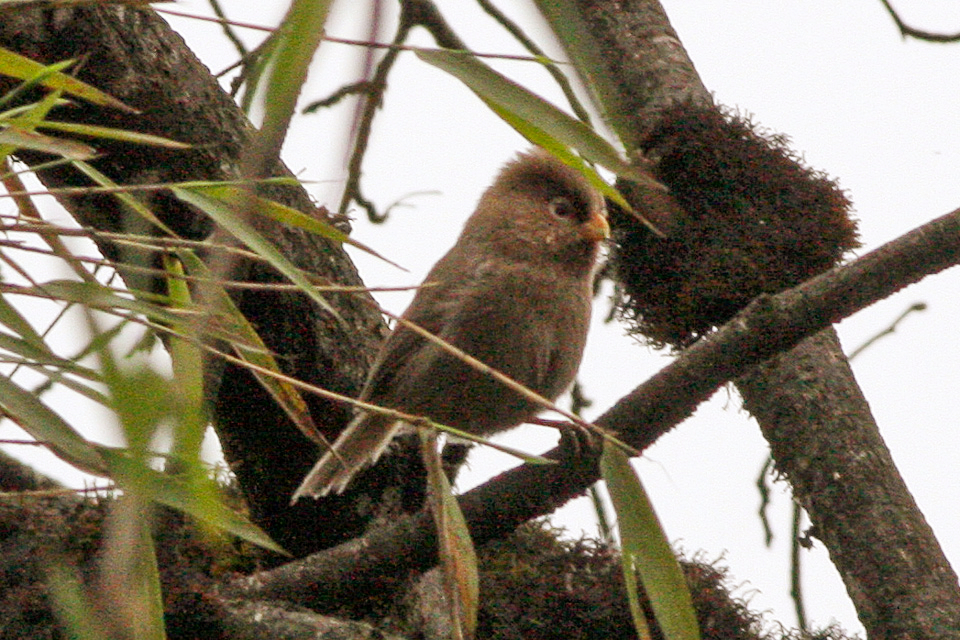
The Greater Whitethroat is identifiable by its distinct white throat, which contrasts sharply with its grayish head and brown upperparts. Adult males exhibit a more pronounced gray head and a slight pinkish hue on their chest, whereas females and juveniles have a browner overall tone and lack the male's colorful highlights. Both sexes have a long, slightly rounded tail edged with white, which is often flicked expressively when the bird is perched. Their flight silhouette is characterized by rapid wing beats interspersed with brief glides, showing their agility and energetic nature. When perching, they often adopt an upright posture, making their white throat more visible. This species can sometimes be confused with the Lesser Whitethroat, but the latter is generally smaller and has a more uniform gray coloration without the distinct pinkish chest wash seen in male Greater Whitethroats. Observers may also distinguish them by their song, with the Greater Whitethroat's being more varied and melodious.
Having trouble telling birds apart? Upload a photo to our bird identification tool for an instant species match.
Greater Whitethroat Habitat and Range
Preferred Habitat
The Greater Whitethroat favors open environments with abundant low vegetation. Preferred habitats include hedgerows, overgrown fields, scrublands, and woodland edges. They are often found in areas with dense thickets which provide both foraging opportunities and protection from predators. During the breeding season, they occupy elevations ranging from sea level up to 1,500 meters, depending on the region. In winter, they shift to savannas and open woodlands in sub-Saharan Africa. Their adaptability allows them to thrive in rural and semi-urban settings, often utilizing gardens and parks as additional habitat resources.
Geographic Range
The Greater Whitethroat breeds widely across Europe, including the British Isles, Scandinavia, and extending eastward into Russia. In the autumn, they migrate to wintering grounds located in sub-Saharan Africa, spanning from Senegal in the west to Ethiopia and Kenya in the east. Their migratory paths often include stopovers in the Mediterranean and North Africa, where they rest and refuel. Within their breeding range, population densities can be particularly high in the UK and parts of Central Europe, where suitable habitats are plentiful.
Want to know which birds visit your area? Browse our backyard birds by location guides for region-specific species lists.
What Does the Greater Whitethroat Eat?
Primarily insectivorous, the Greater Whitethroat feeds on a variety of insects, including caterpillars, beetles, and aphids, which it gleans from foliage. During the late summer and autumn migration, its diet expands to include berries and small seeds, providing essential energy reserves for long-distance travel. The bird's foraging technique is characterized by agility and persistence, often involving short flights to capture insects mid-air or probing into vegetation for hidden prey. Feeding occurs throughout the day, with peaks during the early morning and late afternoon when insect activity is highest.
Greater Whitethroat Behavior and Social Structure
The Greater Whitethroat exhibits territorial behavior during the breeding season, with males vigorously defending their chosen areas through song and displays. Courtship involves a series of aerial displays and fluffed plumage presentations to attract mates. Socially, this species is relatively solitary during the breeding period, but outside this time, they may form loose flocks, especially during migration. Their response to predators involves a combination of alarm calls and evasive flight tactics. Daily activities include periods of active foraging interspersed with rest and preening. The bird's energetic demeanor and constant movement make it a dynamic presence in its habitat.
Greater Whitethroat Nesting and Reproduction
Greater Whitethroats construct neat cup-shaped nests, typically positioned low in dense shrubs or brambles. These nests, made of grasses and lined with finer materials, are well hidden to deter predators. A typical clutch comprises 3 to 7 eggs, which are incubated primarily by the female for about 11 to 13 days. Both parents participate in feeding the chicks, which fledge approximately 10 to 12 days after hatching. The species commonly raises one brood per year, though in favorable conditions, a second brood may occur. Their nesting strategy ensures a high degree of protection and care for the young.
Greater Whitethroat Sounds and Vocalizations
The Greater Whitethroat is renowned for its lively and varied song, which consists of a series of warbling phrases interspersed with clear, high-pitched notes. This song serves to establish territories and attract mates during the breeding season. Their call notes, a harsh 'tchack', serve as alarm signals when danger is near. The bird's contribution to the dawn chorus is significant, adding a melodious layer to the morning soundscape. Compared to similar species, the Greater Whitethroat's song is more elaborate and musical, making it a favorite among bird enthusiasts.
Interesting Facts About the Greater Whitethroat
- 1The Greater Whitethroat can travel over 5,000 kilometers during its migration from Europe to Africa.
- 2Despite their small size, Greater Whitethroats exhibit remarkable territorial aggression during breeding.
- 3In optimal conditions, a single pair of Greater Whitethroats can consume thousands of insects within a breeding season.
- 4The Greater Whitethroat's adaptable diet allows it to thrive in varied environments, from European hedgerows to African savannas.
- 5Their song, often heard before dawn, has been a subject of study due to its complexity and variability.
- 6Greater Whitethroats have been recorded at altitudes of up to 1,500 meters, demonstrating their versatility.
- 7The species' name, 'communis', highlights its common presence across much of its extensive range.
Greater Whitethroat Conservation Status
Listed as Least Concern by the IUCN, the Greater Whitethroat benefits from a stable population trend, though local declines have occurred due to habitat loss. Primary threats include agricultural intensification and hedgerow removal, which reduce breeding and foraging habitats. Conservation efforts focus on habitat preservation and restoration, particularly maintaining hedgerows and implementing agri-environment schemes. Historically, populations have fluctuated in response to environmental changes, but adaptability has aided their resilience.
Other Sylviidae Species



Birds Similar to the Greater Whitethroat
These species are often confused with the Greater Whitethroat due to similar appearance or overlapping range.
