
Luzon Shama
Kittacincla luzoniensis
Order: Passeriformes / Family: Sylviidae

Wikimedia Commons
About the Luzon Shama
The Luzon Shama, known scientifically as Kittacincla luzoniensis, is a captivating songbird native to the Philippines, specifically the island of Luzon. This medium-sized bird, belonging to the family Sylviidae, plays a crucial role in the ecosystems it inhabits. The Luzon Shama is renowned for its melodious song, which contributes to the rich soundscape of the tropical forests. It often resides in lowland and montane forests, where it plays a vital role in controlling insect populations. This bird is an important part of the biodiversity and ecological balance within its native habitats. The Luzon Shama is primarily found in the forests of Luzon, with its presence especially noted in protected areas such as the Sierra Madre mountain range. This region, with its diverse flora and fauna, provides the perfect setting for the bird’s survival and reproduction. The bird's preference for densely vegetated areas means it is rarely seen in open or disturbed habitats. However, it remains an important species for avian enthusiasts and researchers due to its unique characteristics and role in the ecosystem. Seasonally, the Luzon Shama demonstrates a degree of altitudinal movement, particularly in response to breeding cycles and food availability. During the breeding season, which typically spans from March to June, the Luzon Shama may move to higher elevations where food is plentiful and nesting sites are secure. The bird’s ecological role extends beyond mere presence, as it influences the population dynamics of insect prey, thereby affecting vegetation health and regeneration. Understanding the behavior and habitat needs of the Luzon Shama is crucial for conservation efforts, especially given the pressures of habitat destruction and climate change.
The Luzon Shama belongs to the family Sylviidae, within the order Passeriformes. These birds typically live average 5-7 years, with a maximum recorded of 10 years..
How to Identify a Luzon Shama
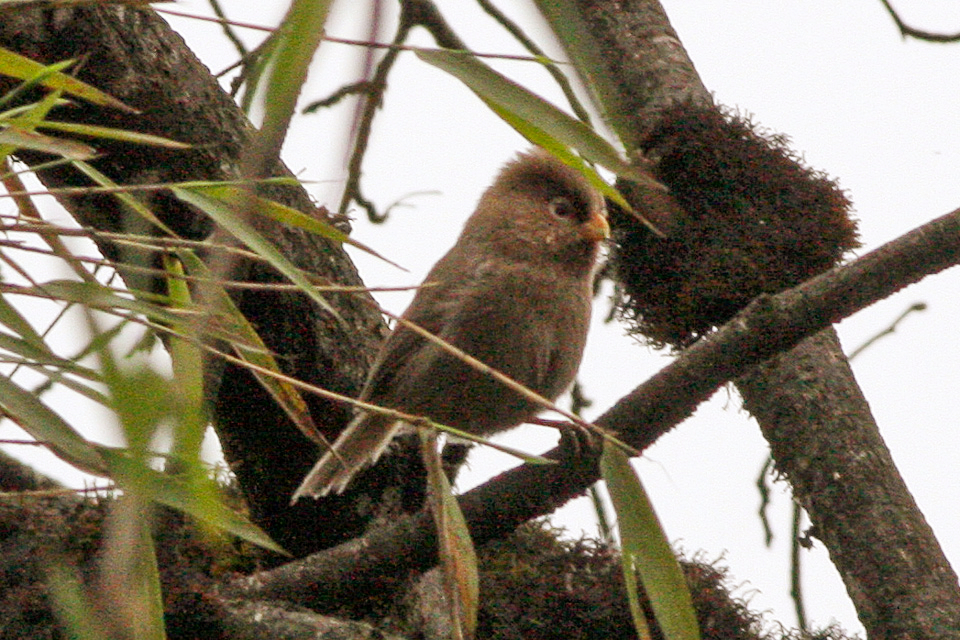
The Luzon Shama is notable for its striking black and white plumage, which distinguishes it from similar species. Adult male Luzon Shamas sport glossy black feathers covering their heads, backs, and tails, contrasting sharply with their bright white underparts. Females, though similar, possess slightly duller plumage and may have a brownish tinge on their backs. Juveniles resemble females but exhibit more pronounced brown tones and may lack the glossy sheen characteristic of adults. Identifying the Luzon Shama in the field involves observing its behavior and listening for its distinctive songs, which can aid in distinguishing it from other birds with similar plumage. Its flight silhouette features a long tail that is often fanned out, providing an elegant appearance against the canopy. When perched, the Luzon Shama maintains a characteristic upright posture, often flicking its tail and wings. This bird can sometimes be confused with the White-browed Shama due to similar size and habitat, but careful observation of plumage details and vocalizations helps to differentiate them.
Having trouble telling birds apart? Upload a photo to our bird identification tool for an instant species match.
Luzon Shama Habitat and Range
Preferred Habitat
The Luzon Shama inhabits a range of forest types across the island of Luzon, thriving in both lowland and montane forests. It shows a preference for dense, humid forests where undergrowth is abundant. These environments provide ample cover and food sources, crucial for its survival. The Luzon Shama is typically found at elevations ranging from sea level to about 1,700 meters, with a tendency to occupy higher altitudes during the breeding season. While largely avoiding urban environments, it can occasionally be found at forest edges near rural areas, particularly where human activity has not significantly altered the landscape. Seasonal habitat shifts are minimal but may include slight altitudinal movements in response to climatic conditions and food availability.
Geographic Range
The Luzon Shama is endemic to the island of Luzon in the Philippines and does not migrate beyond this region. Its range includes the central and northern parts of the island, with significant populations in the Sierra Madre and Cordillera Central mountain ranges. The bird’s presence is also noted in the lowland forests of Cagayan Valley. Populations are densest in protected forest areas where human disturbance is limited. Despite its limited geographic range, the Luzon Shama is a relatively common species within its preferred habitats, benefiting from conservation efforts in national parks and wildlife sanctuaries.
Want to know which birds visit your area? Browse our backyard birds by location guides for region-specific species lists.
What Does the Luzon Shama Eat?
The diet of the Luzon Shama primarily consists of insects and other small invertebrates. It forages by gleaning insects from leaves and bark, using its sharp eyesight to detect prey. During the dry season, when insect availability may decrease, it may supplement its diet with small fruits and seeds. The bird's foraging technique involves a combination of short flights and hopping along branches to capture prey, which typically ranges in size from small ants to larger beetles. Feeding occurs throughout the day, with peaks in activity during the cooler morning and late afternoon hours when insects are more active.
Luzon Shama Behavior and Social Structure
The Luzon Shama exhibits solitary behavior, with individuals maintaining territories that they defend vigorously against intruders. Territorial displays include vocalizations and physical posturing to deter rivals. During the breeding season, males perform elaborate courtship displays, which involve singing from prominent perches to attract females. Once paired, the birds remain monogamous throughout the breeding cycle. The Luzon Shama is diurnal, with peak activity occurring in the early morning and late afternoon. It responds to predators with alarm calls and may engage in mobbing behavior to drive them away. Outside the breeding season, the shama may show some social tolerance, occasionally foraging in loose associations with other insectivorous birds.
Luzon Shama Nesting and Reproduction
The Luzon Shama constructs cup-shaped nests using twigs, leaves, and rootlets, often lined with finer materials like grasses and feathers. Nests are typically positioned in dense foliage, up to 3 meters above ground, providing concealment from predators. The female lays a clutch of 2-4 eggs, which she incubates for approximately 12-14 days. Both parents participate in feeding the chicks, which fledge about 10-12 days after hatching. The Luzon Shama typically raises two broods per year, with breeding activity concentrated during the wet season when food availability is high.
Luzon Shama Sounds and Vocalizations
The Luzon Shama's song is a rich, melodious series of whistles and trills, often delivered from a concealed perch. Its primary song features a varied rhythm and pitch, characterized by a sweet, flute-like quality. Call notes include sharp, repeated 'chik' sounds used for communication between mates and as alarm signals. During the dawn chorus, the Luzon Shama's song is prominent, contributing to the vibrant acoustics of its forest habitat. Its vocalizations are distinctive and can be used effectively for identification in the field.
Interesting Facts About the Luzon Shama
- 1The Luzon Shama is known for its exceptional mimicry abilities, often imitating the songs of other birds.
- 2Despite its melodious song, the Luzon Shama is surprisingly elusive, often remaining hidden within dense foliage.
- 3The Luzon Shama's song repertoire can include up to 20 different phrases, showcasing its vocal versatility.
- 4Shama pairs are known to duet, with males and females coordinating their songs during the breeding season.
- 5The Luzon Shama plays a key role in insect population control, consuming large numbers of pests.
- 6The bird's long tail, fanned during display, aids in balance and maneuverability in dense forests.
- 7Luzon Shamas occasionally participate in mixed-species foraging flocks, benefiting from increased vigilance against predators.
Luzon Shama Conservation Status
The Luzon Shama is currently listed as Least Concern by the IUCN, with populations remaining stable. Despite habitat loss due to logging and agricultural expansion, conservation efforts in the Philippines have helped preserve crucial habitats. Protected areas and national parks on Luzon provide refuge for the species, mitigating some of the threats posed by deforestation. Continued conservation efforts are essential to ensure the long-term survival of the Luzon Shama, particularly as human pressures on natural habitats intensify.
Other Sylviidae Species



Birds Similar to the Luzon Shama
These species are often confused with the Luzon Shama due to similar appearance or overlapping range.

