
Luscinia aedon
Luscinia aedon
Order: Passeriformes / Family: Muscicapidae
About the Luscinia aedon
The Nightingale (Luscinia aedon) holds a prestigious place in both ornithology and cultural lore due to its enchanting song, an emblem of beauty and inspiration across various cultures. This small songbird, belonging to the Muscicapidae family, is predominantly found in Europe and parts of Asia, with its breeding range extending from Britain to western Russia. Nightingales prefer dense, deciduous woodlands, often near streams, where they find ample cover and nesting material. The bird's presence in literature and music underscores its significance beyond mere ecological contributions.
Ecologically, the Nightingale plays a vital role in its habitat, acting as a seed disperser and insect population regulator. By feeding on a variety of insects and spiders, it helps maintain a balanced ecosystem, ensuring that insect populations do not reach levels that could harm plant communities. The Nightingale also contributes to seed dispersal through its frugivorous diet, aiding in the germination and spread of various plant species.
During the breeding season, Nightingales are particularly active at dawn and dusk, showcasing their vocal talents which serve both to attract mates and to establish territory. Their song is a complex and varied series of trills, whistling, and gurgles, often considered one of the most beautiful among European songbirds. Outside the breeding season, the Nightingale becomes more elusive, migrating to sub-Saharan Africa for the winter months, where it inhabits scrub and bushy areas, avoiding dense forests and open grasslands.
The Nightingale's role extends into human culture, where its song has inspired countless poets, musicians, and artists over centuries. Its ability to sing both day and night, especially during the breeding season, has made it a symbol of love and longing. This cultural impact, along with its ecological importance, makes the Nightingale a bird of considerable significance in both natural and human contexts.
The Luscinia aedon belongs to the family Muscicapidae, within the order Passeriformes. These birds typically live average 2-5 years, with a maximum recorded of 8 years..
How to Identify a Luscinia aedon
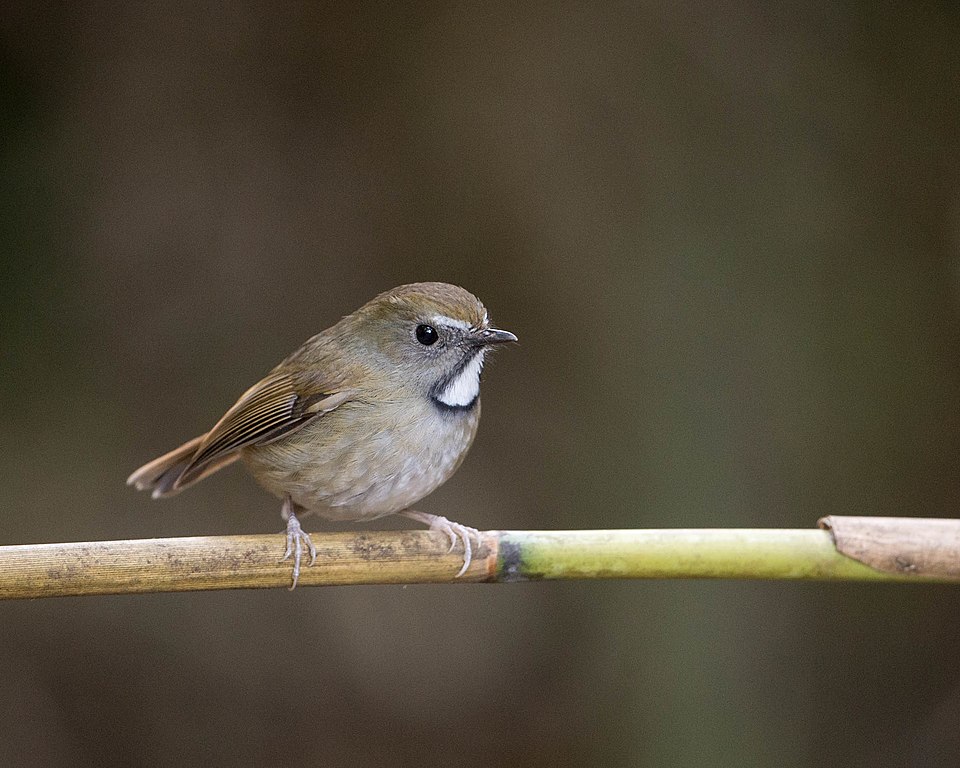
The Nightingale is a medium-sized songbird, measuring about 15-16.5 cm in length, with a wingspan of 23-26 cm. Adult Nightingales display a generally unassuming plumage, predominantly brown above with a slightly paler underside. The tail is a warm, reddish-brown, which can be a distinguishing feature when the bird is in flight or perched with its tail slightly cocked. This coloration helps the Nightingale blend into its woodland habitat, making it more easily heard than seen. Juveniles resemble adults but are often more speckled, especially on the upper parts, which can aid in camouflage during their early, vulnerable stages.
There is little sexual dimorphism in Nightingales, meaning males and females appear quite similar in terms of size and plumage. However, during the breeding season, males are more conspicuous due to their vocal activity. When comparing to similar species, the Thrush Nightingale (Luscinia luscinia) can be a source of confusion. However, the Thrush Nightingale generally has a more plain, darker plumage and lacks the warm reddish tones in the tail.
In flight, Nightingales exhibit a direct and somewhat undulating flight pattern, with rapid wingbeats. When perched, they often hold a horizontal posture and can frequently be seen flicking their tails. This behavior, combined with their distinctive voice, can be helpful in field identification despite their modest appearance.
Having trouble telling birds apart? Upload a photo to our bird identification tool for an instant species match.
Luscinia aedon Habitat and Range
Preferred Habitat
Nightingales are typically associated with dense, deciduous woodlands that provide ample cover and nesting sites. They favor habitats with a rich understory, often near water sources like streams or rivers, which offer a plentiful supply of insects. While they are primarily woodland birds, Nightingales can also be found in gardens and parks, particularly those with mature trees and dense shrubbery.
In terms of elevation, Nightingales are generally found at low to moderate elevations, up to about 500 meters, though they may occasionally venture higher during migration. These birds show some flexibility in habitat preference during migration and wintering periods, occupying scrublands and bushy areas in sub-Saharan Africa. In urban environments, they are less common but can occasionally be spotted in larger city parks that mimic their natural habitats.
Seasonal shifts in habitat use are evident as Nightingales migrate from their European breeding grounds to African wintering sites. During migration, they may stopover in a variety of habitats, including agricultural fields and hedgerows, where they can replenish energy reserves before continuing their journey.
Geographic Range
The breeding range of the Nightingale spans much of Europe and western Asia, reaching from the British Isles in the west to Iran in the east. They breed across a diverse array of countries, including Germany, France, Italy, and parts of Scandinavia. Notably absent from the most northern regions, Nightingales prefer milder, temperate climates for nesting and raising their young.
In winter, the Nightingale migrates to sub-Saharan Africa, with significant populations wintering in countries such as Nigeria, Cameroon, and the Democratic Republic of the Congo. These regions provide the bird with abundant food resources and suitable habitats to sustain them during the non-breeding season. Migration corridors often follow well-established routes across the Mediterranean and through the Sahara Desert, taking advantage of favorable conditions and stopover sites.
During migration, Nightingales are known to travel significant distances, sometimes covering thousands of kilometers between their breeding and wintering grounds. Population density varies across their range, with hotspots typically found in areas with rich deciduous forests and abundant undergrowth. In places like southern England and parts of Germany, Nightingales can be quite common and are regularly recorded during breeding bird surveys.
Want to know which birds visit your area? Browse our backyard birds by location guides for region-specific species lists.
What Does the Luscinia aedon Eat?
The Nightingale's diet primarily consists of insects and other invertebrates, which it forages for among the leaf litter and low vegetation. Its primary food sources include beetles, ants, and caterpillars, but it will also consume spiders and other arthropods. This diet is rich in protein, supporting the bird's energetic demands, especially during the breeding season.
Seasonal changes influence the Nightingale's diet. In spring and summer, when insects are plentiful, they focus heavily on insectivory. However, in autumn and winter, they may supplement their diet with fruits and berries, taking advantage of the seasonal abundance of these food resources. This shift aids in fat accumulation, necessary for their long migratory journeys.
Nightingales are primarily ground foragers, employing a technique of hopping and probing through leaf litter to uncover prey. They also exhibit some flycatching behavior, snapping up insects in flight. Their feeding schedule is most active during the early morning and late afternoon, coinciding with peak insect activity.
Luscinia aedon Behavior and Social Structure
Nightingales are solitary and territorial during the breeding season, with males fiercely defending their territories through song. The male's song serves to both attract a mate and deter rival males, showcasing his fitness and dominance. These territories are typically small, encompassing only the immediate area around a potential nesting site.
Courtship involves the male performing various displays, including singing from prominent perches and engaging in aerial chases with potential mates. Once a pair bond is formed, the female takes the lead in nest building, although the male may assist by gathering materials.
Outside the breeding season, Nightingales become more elusive and less vocal, focusing on feeding and preparing for migration. They do not form large flocks but may be seen in loose associations during migration stopovers. Their response to predators includes remaining motionless and silent to avoid detection, relying on their cryptic plumage for camouflage.
Daily activity patterns of Nightingales are diurnal, with peak activity at dawn and dusk. Their notable nocturnal singing behavior is primarily observed during the breeding season, when males sing through the night to maximize their chances of attracting a mate.
Luscinia aedon Nesting and Reproduction
Nightingales construct their nests close to the ground, often in dense shrubbery or among thick vegetation, which provides concealment from predators. The nest is a simple cup shape, constructed primarily by the female using leaves, grass, and twigs, lined with softer materials such as feathers and animal hair.
A typical clutch consists of 4-5 eggs, which are olive-brown with darker speckles, blending well with the nest surroundings. The female incubates the eggs for about 13-14 days, during which time the male continues to defend the territory and may provide food to the female.
Once hatched, the chicks are altricial, requiring significant parental care. Both parents participate in feeding the young, bringing a steady supply of insects to the nest. The fledging period lasts approximately 11-12 days, after which the young birds leave the nest but remain under parental supervision for several weeks as they learn to forage independently. Nightingales typically raise one brood per year, although in favorable conditions, a second brood may occasionally occur.
Luscinia aedon Sounds and Vocalizations
The Nightingale's song is a rich, melodious sequence, characterized by a series of varied whistles, trills, and gurgling notes. It boasts a range of pitches and rhythms, creating a complex and captivating auditory experience. The song is most often heard during the breeding season, at dawn and dusk, but can also occur at night, adding to its reputation as a nocturnal singer.
In addition to its primary song, the Nightingale produces a variety of call notes and alarm calls, which are shorter and less musical. These sounds serve as communication between mates or as warnings of potential danger. The alarm call is a sharp 'tuck-tuck' sound, designed to alert other birds to the presence of predators.
The Nightingale's song is often likened to a flute or whistle, with clear, sweet notes that contrast with the more repetitive songs of other birds. This distinctive quality allows experienced birders to identify the Nightingale even when it is hidden from view.
Interesting Facts About the Luscinia aedon
- 1Nightingales can produce over 200 different song variations, showcasing an impressive vocal repertoire.
- 2Despite their name, Nightingales also sing during the day, though nighttime singing is more prominent.
- 3Nightingales have been celebrated in poetry by renowned figures such as John Keats and William Shakespeare.
- 4The Latin name Luscinia aedon translates to 'night singer,' reflecting the bird's nocturnal vocal activity.
- 5A single male Nightingale may sing for up to 20 hours per day during peak breeding season.
- 6Nightingales are known to mimic the calls of other birds, incorporating them into their own songs.
- 7In some cultures, the Nightingale symbolizes love and longing, often featured in romantic tales and songs.
Luscinia aedon Conservation Status
The Nightingale is currently classified as Least Concern by the IUCN, indicating that it is not at immediate risk of extinction. However, its population trend varies across its range. In some areas, numbers are decreasing due to habitat loss, primarily from agricultural intensification and urban development, which reduce the availability of suitable breeding sites. Conservation efforts focus on preserving and restoring habitat, such as managing woodlands to maintain dense understory vegetation and protecting critical migration stopover sites. In some regions, initiatives to plant hedgerows and create small woodland patches aim to provide additional nesting habitats. Historically, the Nightingale has experienced fluctuations in population density, driven by changes in land use and climate. Monitoring programs continue to track these trends, aiming to ensure the Nightingale remains a vibrant part of Europe's avian biodiversity.
Other Muscicapidae Species


Birds Similar to the Luscinia aedon
These species are often confused with the Luscinia aedon due to similar appearance or overlapping range.

