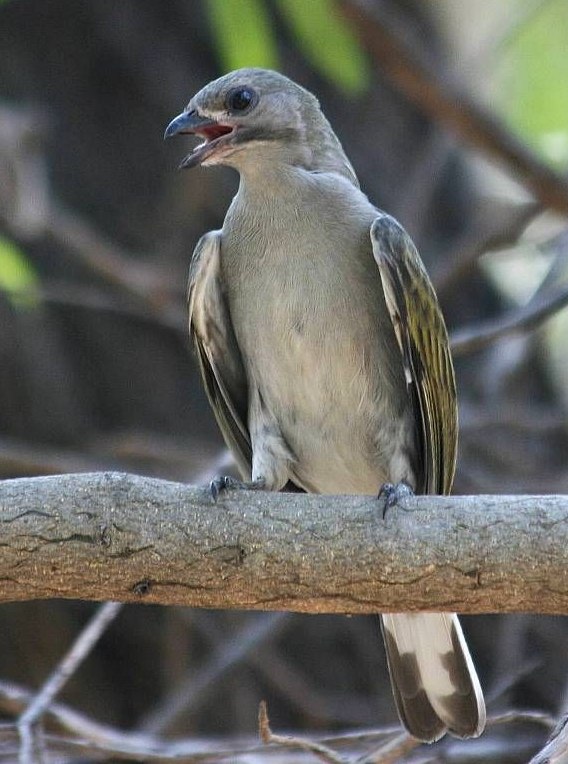
Southern Carmine Bee-eater
Merops cafer
Order: Coraciiformes / Family: Meropidae

Wikimedia Commons
About the Southern Carmine Bee-eater
The Southern Carmine Bee-eater, Merops cafer, is a striking bird renowned for its vivid rosy red plumage and impressive aerial acrobatics. A member of the Meropidae family, this species is widely distributed across sub-Saharan Africa, where it occupies diverse habitats ranging from riverbanks to savannas. The species plays a crucial ecological role as a predator of flying insects, particularly bees and wasps, which it skillfully captures in flight. The Southern Carmine Bee-eater is notable for its seasonal movements, as it often migrates in response to the availability of food resources. During the breeding season, which typically occurs from August to November, these birds congregate in large colonies along riverbanks in Zambia, Botswana, and Zimbabwe. These colonies can host thousands of individuals, making it a spectacular sight for birdwatchers and researchers alike. Outside the breeding season, the Southern Carmine Bee-eater disperses widely in search of food, often forming smaller groups that follow insect swarms across open landscapes. In addition to its ecological significance as a control agent for insect populations, the Southern Carmine Bee-eater also holds cultural importance in various African communities, where its presence is often associated with good fortune and environmental health. The bird's vibrant colors and graceful flight patterns have also made it a favorite subject for photographers and nature enthusiasts. Understanding the ecological dynamics and migratory patterns of the Southern Carmine Bee-eater contributes to broader conservation efforts in the regions it inhabits, ensuring that both the species and its habitat are preserved for future generations. The Southern Carmine Bee-eater's striking appearance and ecological role underscore the intricate connections between wildlife and their environments, highlighting the importance of preserving biodiversity in Africa's rich and varied ecosystems.
The Southern Carmine Bee-eater belongs to the family Meropidae, within the order Coraciiformes. These birds typically live average 6-8 years, with a maximum recorded of 10 years..
How to Identify a Southern Carmine Bee-eater
The Southern Carmine Bee-eater is easily recognized by its predominantly rosy red plumage, which is brightest on the underparts and slightly darker on the back. Adults display a distinctive blue throat and forehead, contrasting with their black eye stripe and bill. The tail is long and pointed, with central feathers that extend beyond the rest. Juveniles tend to be duller, with more muted reds and less pronounced blue on the throat. Males and females appear similar, though males typically exhibit slightly longer tail feathers. In flight, these bee-eaters are agile and swift, with long, pointed wings that aid in their pursuit of flying insects. Their perching posture is often upright, with a characteristic alert demeanor as they scan for prey. While the Northern Carmine Bee-eater shares similar coloration, the Southern species can be distinguished by its breeding range and subtle differences in plumage tone. Observers should note the sharp contrast between the bird's vibrant red body and the blue and black facial markings, which are key field marks when identifying this species.
Having trouble telling birds apart? Upload a photo to our bird identification tool for an instant species match.
Southern Carmine Bee-eater Habitat and Range
Preferred Habitat
The Southern Carmine Bee-eater occupies a range of habitats, including riverine forests, savannas, and open woodlands. It prefers areas near water bodies, such as rivers and lakes, where it can access abundant insect prey. During the breeding season, it nests in sandy riverbanks and cliffs, which provide suitable sites for burrowing. The species is adaptable, sometimes venturing into agricultural areas and semi-urban environments, particularly when following insect swarms. Typically found at elevations ranging from sea level to 1,500 meters, the bee-eater shows some seasonal habitat shifts, moving from breeding sites to more open areas in the non-breeding season. While primarily a rural species, the Southern Carmine Bee-eater occasionally appears in suburban settings, provided there is sufficient prey availability.
Geographic Range
The Southern Carmine Bee-eater breeds in a broad range across southern and central Africa. Its breeding range includes countries such as Zambia, Zimbabwe, Botswana, Namibia, and northern South Africa. During the non-breeding season, these birds migrate northwards, reaching as far as Angola, the Democratic Republic of the Congo, and Tanzania. Migration corridors typically follow major river systems, which provide essential stopover sites for resting and feeding. The species is known for its gregarious nature, often forming large flocks during migration and in wintering areas. While population density is highest in breeding colonies along major rivers, smaller groups are frequent in more dispersed habitats during the non-breeding season.
Want to know which birds visit your area? Browse our backyard birds by location guides for region-specific species lists.
What Does the Southern Carmine Bee-eater Eat?
The Southern Carmine Bee-eater primarily feeds on flying insects, with a strong preference for bees and wasps. It employs a distinctive foraging technique, catching prey mid-air with remarkable precision. The bird's diet shifts seasonally, depending on prey availability, but consistently includes beetles, dragonflies, and flying ants. Foraging typically occurs during the day, with peak activity in the early morning and late afternoon. The bee-eater often hunts from a perch, launching into the air to snatch passing insects, or it may join mixed-species flocks to exploit insect swarms. Prey size varies, but most captured insects are relatively small, ensuring efficient handling and digestion.
Southern Carmine Bee-eater Behavior and Social Structure
Southern Carmine Bee-eaters are highly social birds, known for their cooperative breeding colonies and flocking behavior. During the breeding season, they display intricate courtship rituals, involving aerial displays and food offerings. These birds are not territorial, as they nest in close proximity within colonies. Flocking behavior extends beyond breeding, as they form large groups during migration and in feeding areas. They exhibit a strong response to predators, often mobbing intruders to protect their colonies. Daily activity patterns involve periods of intense foraging interspersed with resting and social interactions. Vocalizations are an integral part of their social structure, facilitating communication within flocks and colonies.
Southern Carmine Bee-eater Nesting and Reproduction
Southern Carmine Bee-eaters nest in colonies on sandy riverbanks, where they excavate tunnels up to 2 meters in length. These tunnels end in a chamber where the clutch, usually comprising 2-5 eggs, is laid. Both parents participate in incubation, which lasts about 20-23 days. After hatching, young are fed by both parents and fledge after approximately 30 days. The nesting sites are often reused annually, provided they remain undisturbed. Typically, only one brood is raised per year, although favorable conditions may permit a second. Parental roles are shared, with both sexes contributing to feeding and protecting the young.
Southern Carmine Bee-eater Sounds and Vocalizations
The Southern Carmine Bee-eater's primary song consists of a series of melodious, high-pitched notes, often described as 'trilling.' These vocalizations are frequently delivered during flight and are used for communication within flocks. Calls are softer, more conversational, and less structured than songs, serving to maintain contact between individuals. Alarm calls are sharper and more urgent, signaling the presence of predators. During the dawn chorus, these bee-eaters join other species in a symphony of sounds, creating a vibrant soundscape typical of African ecosystems.
Interesting Facts About the Southern Carmine Bee-eater
- 1Southern Carmine Bee-eaters often ride on the backs of large mammals, such as elephants, to catch insects disturbed by these animals.
- 2These bee-eaters can consume up to 250 insects per day, playing a significant role in controlling insect populations.
- 3Their nesting colonies sometimes span over 500 meters along a riverbank, housing thousands of birds.
- 4Southern Carmine Bee-eaters are known to use charcoal from burned areas to line their nests, which may help in parasite control.
- 5The bird's striking coloration is due to carotenoid pigments obtained from its insect diet, particularly from bees and wasps.
- 6These bee-eaters can be seen engaging in dust-bathing behaviors, which help maintain their plumage.
- 7In some African cultures, the appearance of Southern Carmine Bee-eaters signals the start of the rainy season.
Southern Carmine Bee-eater Conservation Status
Currently, the Southern Carmine Bee-eater is classified as 'Least Concern' by the IUCN, with stable population trends across its range. Primary threats include habitat destruction due to riverbank erosion and human disturbance at nesting sites. Conservation efforts focus on protecting key habitats and promoting sustainable land-use practices. Historically, populations have been resilient, with some fluctuations linked to environmental changes. Continued monitoring and habitat preservation are essential to ensure the species' long-term survival and ecological function.