
Northern Carmine Bee-eater
Merops nubicus
Order: Coraciiformes / Family: Meropidae

Wikimedia Commons
About the Northern Carmine Bee-eater
The Northern Carmine Bee-eater, known scientifically as Merops nubicus, captivates bird enthusiasts with its striking appearance and dynamic behavior. This species is particularly notable for its vibrant crimson feathers, complemented by a blue crown and lower back that make it one of the most visually stunning members of the Meropidae family. Inhabiting a range of sub-Saharan environments, the Northern Carmine Bee-eater plays a vital role in controlling insect populations, particularly bees and wasps. Found predominantly in countries such as Sudan, Ethiopia, and Nigeria, these birds are highly adaptable, thriving in savannahs, riverine areas, and even semi-desert regions. The Northern Carmine Bee-eater exhibits fascinating seasonal behaviors. During the breeding season, these birds congregate in large colonies along riverbanks, where they excavate long tunnel nests in sandy cliffs. Outside the breeding period, they display a semi-nomadic lifestyle, traveling considerable distances in search of food. Their ecological significance cannot be overstated, as they help maintain a balance in insect populations, preventing overpopulation and potential crop damage. Their presence is also an indicator of healthy ecosystems, given their reliance on insect prey, which thrives only in balanced environments. Observing the Northern Carmine Bee-eater in its natural habitat offers insights into the complex interactions within these ecosystems, emphasizing the interconnectedness of predator and prey dynamics. Such interactions highlight the importance of preserving the natural habitats that these birds depend upon, ensuring that they continue to enrich the biodiversity of the regions they inhabit.
The Northern Carmine Bee-eater belongs to the family Meropidae, within the order Coraciiformes. These birds typically live average 6-9 years with a maximum recorded of 11 years..
How to Identify a Northern Carmine Bee-eater
Adult Northern Carmine Bee-eaters are unmistakable, featuring a bright crimson body contrasted with a turquoise blue crown and rump. Their elongated central tail feathers and slightly curved black bill enhance their streamlined appearance, aiding in their aerial pursuits. Both sexes are similar in plumage, though males typically exhibit slightly longer tail streamers. Juveniles, on the other hand, possess a more muted coloration, with a greener tinge and shorter tail feathers, making them less conspicuous. When perched, the Northern Carmine Bee-eater adopts an upright posture, often on exposed branches or wires, scanning its surroundings for prey. In flight, they exhibit a distinctive silhouette with pointed wings and a forked tail, which aids in identification against the sky. While they might be confused with the Southern Carmine Bee-eater, the Northern counterpart is distinguishable by its more vivid crimson hue and geographic range. Their flight pattern is characterized by rapid, agile maneuvers, facilitating quick changes in direction and speed as they pursue insects mid-air.
Having trouble telling birds apart? Upload a photo to our bird identification tool for an instant species match.
Northern Carmine Bee-eater Habitat and Range
Preferred Habitat
The Northern Carmine Bee-eater thrives in diverse habitats, favoring open landscapes such as savannahs, woodlands, and grasslands. These birds are commonly found near water bodies like rivers and lakes, where insect populations are abundant. They are adept at exploiting a range of elevations, from lowland river valleys to higher plateaus. Seasonally, they may shift habitats, moving to areas with ample prey availability. Although primarily associated with rural environments, they can sometimes be observed on the fringes of urban areas, especially where human settlements are adjacent to suitable natural habitats. Unlike many bird species, they adapt well to semi-arid conditions, making periodic movements to track insect blooms across their range.
Geographic Range
The Northern Carmine Bee-eater's breeding range extends across sub-Saharan Africa, with significant populations in countries like Sudan, South Sudan, and Ethiopia. During the breeding season, they form colonies in suitable sandy cliffs near water sources. Post-breeding, these birds exhibit a nomadic pattern, dispersing across regions such as Nigeria, Chad, and the Central African Republic. Their migration corridors are influenced by insect availability and climatic conditions. While they do not undertake long-distance migrations, they are known to travel extensively within their range, following seasonal rains and insect emergences. Population density hotspots often align with areas of high insect activity, providing ample feeding opportunities.
Want to know which birds visit your area? Browse our backyard birds by location guides for region-specific species lists.
What Does the Northern Carmine Bee-eater Eat?
Primarily insectivorous, the Northern Carmine Bee-eater feeds on a diet dominated by bees and wasps, which they capture mid-flight with remarkable precision. They also consume a variety of other flying insects, including dragonflies, beetles, and flying ants. Seasonal diet variations occur as different insect populations peak at various times of the year. Their foraging technique involves hawking from a perch, where they launch into the air to snatch prey. They demonstrate impressive aerial acrobatics while hunting, often flying at speeds that allow them to catch insects on the wing. Typically, feeding occurs throughout the day, with heightened activity during the cooler morning and late afternoon hours when insect activity is highest.
Northern Carmine Bee-eater Behavior and Social Structure
The Northern Carmine Bee-eater is a highly social species, often seen in large flocks, particularly during the breeding season when they form colonies. Their social structure is cooperative, with individuals engaging in mutual preening and sharing information about food sources. During courtship, males perform aerial displays, showcasing their flying skills and presenting food to potential mates. These displays play a crucial role in pair formation. Despite their social nature, they exhibit territorial behavior around nesting sites, aggressively defending their burrows from intruders. In response to predators, which include raptors and snakes, these bee-eaters rely on their agility and group vigilance, often mobbing threats to deter them. Daily activity patterns involve periods of active foraging interspersed with rest and social interaction. Their movements are closely tied to the availability of prey, and they may cover extensive areas in search of food.
Northern Carmine Bee-eater Nesting and Reproduction
Nesting for the Northern Carmine Bee-eater occurs in colonies along riverbanks, where they excavate long tunnels into sandy cliffs or embankments. These nests are simple, consisting of a tunnel that leads to a chamber where the eggs are laid. The typical clutch size ranges from 2 to 5 eggs. Both parents participate in incubation, which lasts about 18 to 21 days. After hatching, both parents also share the tasks of feeding and caring for the chicks. Fledging occurs approximately 30 days after hatching, although young birds often remain dependent on their parents for several weeks afterward. The species typically raises one brood per year, although favorable conditions may allow for a second.
Northern Carmine Bee-eater Sounds and Vocalizations
The Northern Carmine Bee-eater's vocalizations are distinctive, featuring a series of melodious, rolling 'kwik-kwik' and 'prrrt' calls used for communication within flocks. These sounds are particularly prominent during flight and social interactions. Their alarm calls are sharper and more urgent, serving to alert the colony of potential threats. During the breeding season, a more complex song can be heard, often during courtship displays. These songs include a mixture of trills and whistles, conveying the bird's presence and breeding readiness. The dawn chorus, while not as elaborate as some other species, marks the start of their daily activities, resonating across the landscape.
Interesting Facts About the Northern Carmine Bee-eater
- 1The Northern Carmine Bee-eater can catch insects mid-flight with a success rate of over 80%, showcasing its precision.
- 2These birds exhibit cooperative breeding behavior, with non-breeding individuals sometimes helping at nests.
- 3The species can travel up to 200 km in a day while searching for food, highlighting its nomadic tendencies.
- 4Northern Carmine Bee-eaters often follow large mammals to catch insects disturbed by their movement.
- 5They are one of the few bird species that can remove a bee's sting before swallowing it, using their bill.
- 6Their nesting colonies can include hundreds of pairs, creating bustling communities during breeding season.
- 7Northern Carmine Bee-eaters have been observed using tools, such as twigs, to extract prey from narrow crevices.
Northern Carmine Bee-eater Conservation Status
The Northern Carmine Bee-eater is currently listed as Least Concern by the IUCN, reflecting a stable population trend. However, the species faces several threats, including habitat destruction due to agricultural expansion and riverbank erosion. Conservation efforts focus on preserving crucial breeding habitats and mitigating the impacts of human activities. Historically, their populations have remained relatively stable, although localized declines have occurred in areas where habitat degradation is significant. Continued monitoring is essential to ensure that these vibrant birds maintain their ecological roles across their range.
Other Meropidae Species
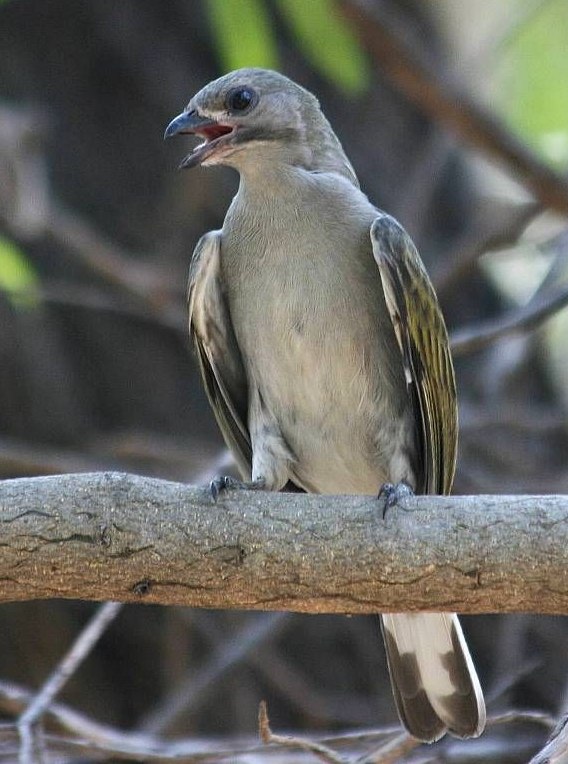


Birds Similar to the Northern Carmine Bee-eater
These species are often confused with the Northern Carmine Bee-eater due to similar appearance or overlapping range.

