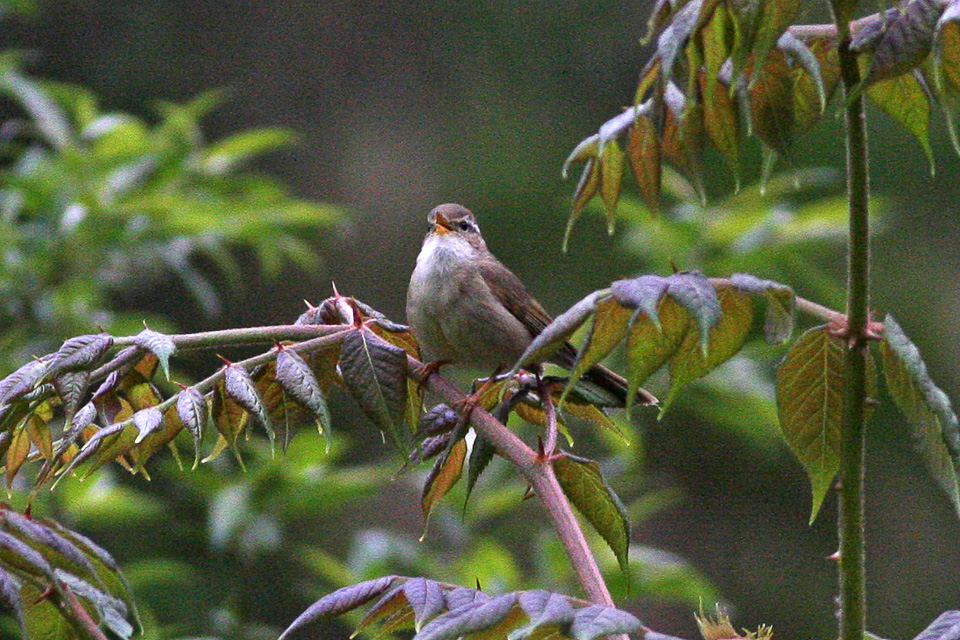
Rote Leaf Warbler
Phylloscopus rotiensis
Order: Passeriformes / Family: Phylloscopidae

Wikimedia Commons
About the Rote Leaf Warbler
The Rote Leaf Warbler, Phylloscopus rotiensis, is a small passerine bird endemic to the island of Rote in Indonesia. As a member of the family Phylloscopidae, this warbler plays a significant ecological role in its habitat by controlling insect populations. The species thrives in the tropical and subtropical moist broadleaf forests of Rote, a habitat rich in biodiversity. This small bird, characterized by its agile movements and distinctive song, is an essential part of the island's avian community.
The significance of the Rote Leaf Warbler extends beyond its ecological role. It is a symbol of the unique biodiversity found on the island of Rote, an area that hosts a variety of endemic species due to its isolated location. The warbler's presence in these forests highlights the importance of conserving these habitats, which are under threat from deforestation and land conversion for agriculture. This bird is a focal point for conservation efforts aimed at preserving the rich natural heritage of Indonesia's lesser-known islands.
Ecologically, the Rote Leaf Warbler contributes to the health of its environment by preying on insects that might otherwise reach pest levels. Its feeding habits help maintain a balance in the ecosystem, benefiting both plant and animal species in the region. During the breeding season, these warblers become more vocal, a behavior that not only aids in territory establishment but also in attracting mates. Outside of the breeding season, the Rote Leaf Warbler is more subdued, blending into the dense foliage of its forest home. Its adaptability to seasonal changes in the forest environment underscores its resilience and the critical role it plays in the ecological dynamics of Rote.
The Rote Leaf Warbler belongs to the family Phylloscopidae, within the order Passeriformes. These birds typically live average 3-5 years, with a maximum recorded of 6 years..
How to Identify a Rote Leaf Warbler
The Rote Leaf Warbler is easily identified by its vibrant green plumage, which allows it to blend seamlessly into the foliage of its forest home. Adult warblers possess a bright olive-green back and lighter underparts, providing excellent camouflage against predators. The bird's head displays a subtle crown stripe and an indistinct, pale supercilium that sets it apart from similar species.
Juvenile Rote Leaf Warblers lack the pronounced coloration of adults, showing a duller, more buff-tinted plumage that gradually acquires the characteristic green with maturity. Unlike many bird species, male and female Rote Leaf Warblers exhibit very similar plumage, making sex differentiation challenging without behavioral observation.
In flight, the Rote Leaf Warbler presents a streamlined silhouette with rapid, fluttering wingbeats typical of the Phylloscopus genus. When perched, this warbler often adopts a horizontal posture, flitting and hopping through the branches as it forages for insects. Its song, a series of melodious fluting notes, is another key identifier, resonating through the forest and providing a reliable auditory cue for birders.
Having trouble telling birds apart? Upload a photo to our bird identification tool for an instant species match.
Rote Leaf Warbler Habitat and Range
Preferred Habitat
The Rote Leaf Warbler inhabits the tropical and subtropical moist broadleaf forests of Rote Island. These forests, characterized by dense canopies and rich biodiversity, provide the ideal environment for this insectivorous bird. Typically found at elevations ranging from sea level to about 500 meters, the Rote Leaf Warbler thrives in areas with abundant undergrowth and large trees, where it can forage efficiently.
During the breeding season, these warblers prefer undisturbed forest areas, which offer plentiful nesting sites and a rich supply of insects. Outside of the breeding season, they may be found in slightly more open areas, though still within the forest ecosystem. While primarily a forest dweller, the Rote Leaf Warbler occasionally ventures into nearby scrublands or forest edges. However, it is rarely observed in urban or highly altered landscapes, underscoring its dependence on natural forest habitats for survival.
Geographic Range
The Rote Leaf Warbler is endemic to Rote Island, part of the Lesser Sunda Islands in Indonesia. This restricted range makes it a species of considerable interest to ornithologists and conservationists alike. Unlike many migratory warblers, the Rote Leaf Warbler is a year-round resident of its island habitat, remaining within the confines of Rote's forests throughout the year.
Due to its limited range, the population density of the Rote Leaf Warbler is concentrated in the forested regions of the island. Within these areas, the bird establishes territories and engages in breeding activities, particularly during the wetter months. The isolation of Rote Island has contributed to the bird's unique adaptations and behaviors, distinguishing it from other Phylloscopus species found in nearby regions.
Want to know which birds visit your area? Browse our backyard birds by location guides for region-specific species lists.
What Does the Rote Leaf Warbler Eat?
The Rote Leaf Warbler primarily feeds on insects, making it an important insectivore within its ecosystem. Its diet consists of a wide variety of arthropods, including caterpillars, beetles, and small spiders. The bird employs a gleaning technique, deftly maneuvering through foliage and capturing prey from leaves and branches.
Seasonal variations in insect availability influence the Rote Leaf Warbler's diet, with an increased reliance on caterpillars and other larvae during the breeding season. This period coincides with peak insect abundance, allowing the warbler to meet the high nutritional demands of raising young. Throughout the rest of the year, the warbler continues to forage for insects but may also consume small quantities of plant material, such as seeds and berries, depending on availability.
The warbler's feeding schedule is diurnal, with peak activity occurring during the morning and late afternoon. These periods coincide with optimal foraging conditions, ensuring the bird maximizes its energy intake while minimizing exposure to predators.
Rote Leaf Warbler Behavior and Social Structure
The Rote Leaf Warbler exhibits a range of behaviors that reflect its adaptation to the forest environment of Rote Island. Socially, this warbler tends to be solitary or found in small family groups, particularly during the breeding season. Territorial behavior is pronounced, with males defending their nesting areas through song displays and occasional physical confrontations with rivals.
Courtship displays for the Rote Leaf Warbler involve a combination of vocalizations and physical posturing. Males sing persistently to attract females, and successful pair formation leads to cooperative nest-building activities. Outside the breeding season, the warbler becomes less conspicuous, though still vocal during early morning hours.
Flocking behavior is rare for this species, although it may join mixed-species foraging flocks when food is scarce. In response to predators, the Rote Leaf Warbler employs evasive maneuvers, utilizing its agility to dart into dense foliage. This behavior, coupled with its cryptic coloration, provides effective camouflage against avian and terrestrial predators.
The warbler's daily activity patterns align with daylight hours, reflecting peak foraging and territorial activity in the morning and a secondary peak in the late afternoon. During the hottest part of the day, it often retreats to denser foliage, reducing exposure to heat and potential threats.
Rote Leaf Warbler Nesting and Reproduction
The Rote Leaf Warbler constructs a delicate cup-shaped nest, typically situated in the fork of a tree branch or among dense foliage. The nest, made from fine grasses, moss, and spider silk, provides a secure and camouflaged site for egg-laying. Warblers prefer to place their nests at heights between 1 to 3 meters above ground, ensuring protection from ground predators.
A typical clutch consists of 2 to 4 eggs, which the female incubates for approximately 12 to 14 days. During this period, the male plays a supportive role, providing food and protection for the nesting female. After hatching, both parents participate in feeding the chicks, which fledge the nest around 14 to 16 days post-hatching.
The Rote Leaf Warbler often raises one brood per year, though favorable conditions may allow for a second. Parental care continues post-fledging, with adults guiding their young in foraging techniques and predator awareness. This extended care period ensures that fledglings develop the skills necessary for independent survival.
Rote Leaf Warbler Sounds and Vocalizations
The Rote Leaf Warbler's primary song consists of a series of melodious, fluting notes delivered in a rhythmic pattern. These phrases vary slightly in pitch and tempo but generally maintain a high, clear quality that carries through the forest canopy. This song serves multiple purposes, from attracting mates to establishing territorial boundaries.
Call notes of the Rote Leaf Warbler include short, sharp chips used in communication between mates or as alarm signals when predators are nearby. These calls are less musical than the warbler's song, serving a functional role in alerting conspecifics to potential threats.
During the dawn chorus, the Rote Leaf Warbler contributes its distinctive song to the symphony of forest sounds. This communal singing period marks the start of daily activity and highlights the warbler's role in the acoustic landscape of its habitat.
Interesting Facts About the Rote Leaf Warbler
- 1The Rote Leaf Warbler was only described as a new species in 2013, highlighting the island's unique biodiversity.
- 2This warbler is named after its home, the island of Rote in Indonesia, where it is exclusively found.
- 3The Rote Leaf Warbler's song is a key tool for territory defense, allowing males to assert dominance over their rivals.
- 4Warblers of the Phylloscopus genus are known for their incredible agility and ability to capture insects mid-air.
- 5The Rote Leaf Warbler's dependence on forest habitats makes it a vital indicator species for ecosystem health.
- 6Unlike many warblers, the Rote Leaf Warbler does not migrate, staying on Rote Island year-round.
- 7This species' limited range makes it particularly vulnerable to environmental changes and habitat loss.
Rote Leaf Warbler Conservation Status
The Rote Leaf Warbler is currently listed as Near Threatened by the IUCN, with its population trend showing signs of decline. The primary threats to this species include habitat destruction due to logging, agricultural expansion, and human settlement encroachment. These activities reduce available nesting sites and foraging grounds, threatening the warbler's survival. Conservation efforts for the Rote Leaf Warbler focus on habitat preservation and restoration. Protecting the remaining forested areas of Rote Island is crucial for maintaining the ecological balance and supporting the warbler's population. Additionally, awareness campaigns aim to educate local communities about the importance of conserving their unique avian fauna. Historically, the population of the Rote Leaf Warbler was stable, benefiting from the island's isolation. However, increasing human activity has necessitated targeted conservation strategies to ensure this species' continued existence.