
Rufous Vanga
Schetba rufa
Order: Passeriformes / Family: Vangidae
Wikimedia Commons
About the Rufous Vanga
The Rufous Vanga, Schetba rufa, is a charismatic bird species endemic to the island of Madagascar. As a member of the Vangidae family, this bird plays a vital role in the island's unique ecosystems. Its presence is particularly noted in the dry deciduous forests and humid rainforests of the western and northern regions. This species has adapted intriguingly to its environment, showcasing behaviors and characteristics that exemplify the island's evolutionary distinctiveness. Rufous Vangas are insectivorous birds, often seen actively foraging for insects among the foliage. They contribute significantly to controlling insect populations, thus maintaining ecological balance. During the breeding season, which spans from September to December, the Rufous Vanga exhibits a marked increase in activity. It engages in elaborate courtship displays that involve vocalizations and physical displays to attract mates. These behaviors not only underscore the importance of successful reproduction but also highlight the species' role in the continuity of its habitat's biodiversity. The Rufous Vanga thrives in the forests of Madagascar, where its presence indicates a healthy and balanced ecosystem. Its role as both predator and prey underscores its ecological importance, serving as a link in the complex food web. As forests face threats from deforestation and habitat degradation, the Rufous Vanga's future becomes intertwined with conservation efforts aimed at preserving Madagascar's unique environments. Understanding and protecting this species contributes not only to its survival but also to the overall health of the island's ecosystems. The Rufous Vanga's adaptability to different forest types, from lowland rainforests to montane thickets, showcases its ecological flexibility. This adaptability is key to its survival amid the changing environmental conditions, making it a resilient species. However, continued conservation efforts are essential to ensure that these and other forest-dependent species thrive in the face of ongoing environmental challenges. Through such efforts, the Rufous Vanga remains a symbol of Madagascar's rich biodiversity, captivating birdwatchers and naturalists alike with its vibrant plumage and dynamic behaviors.
The Rufous Vanga belongs to the family Vangidae, within the order Passeriformes. These birds typically live average 5-7 years, with maximum recorded up to 10 years..
How to Identify a Rufous Vanga
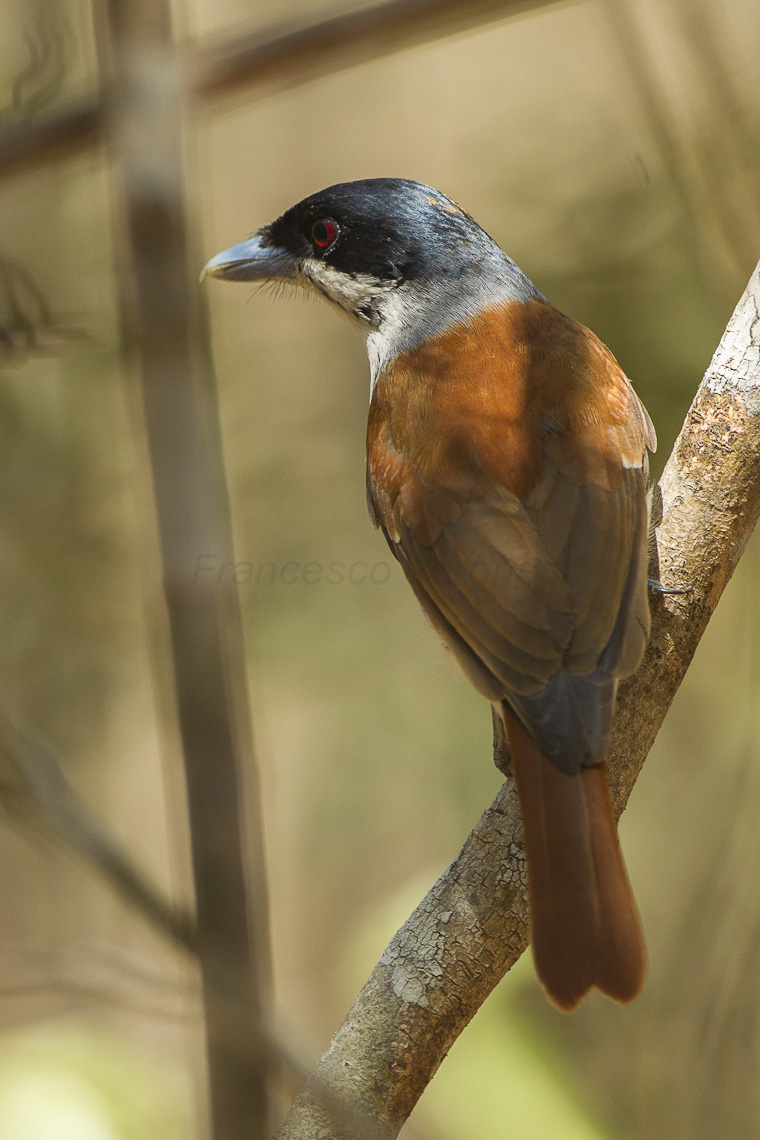
The Rufous Vanga is a medium-sized bird, easily recognized by its reddish-brown plumage, giving it its name. Adults possess a prominent white patch on the wings, which contrasts sharply with the darker back and tail. The bird's head is gray, and the eye is encircled by a narrow black line, which enhances its striking appearance. Males and females exhibit similar plumage, making it challenging to distinguish between the sexes in the field. Juvenile Rufous Vangas, however, differ from adults by having a more subdued coloration, lacking the sharp contrast seen in mature birds. Their plumage is softer, with less defined markings, which aids in camouflage among the foliage. The beak of the Rufous Vanga is another distinguishing feature. It is robust and slightly curved, adapted for its insectivorous diet. This adaptation is particularly useful for probing into bark and foliage, where its primary food sources reside. In flight, the Rufous Vanga displays a unique silhouette characterized by broad, rounded wings and a short tail, allowing for agile maneuvering through dense forest canopies. When perched, it often adopts an upright posture, showcasing its full plumage and making it easier to spot against the backdrop of green foliage.
Having trouble telling birds apart? Upload a photo to our bird identification tool for an instant species match.
Rufous Vanga Habitat and Range
Preferred Habitat
The Rufous Vanga predominantly inhabits Madagascar's dry deciduous forests and humid rainforests. These forests, particularly prominent in the western and northern regions of the island, provide the dense canopy and rich biodiversity essential for the species' survival. The bird thrives at various elevations, from lowland regions to higher montane forests, displaying remarkable adaptability to different environmental conditions. Seasonal shifts in habitat use are minimal, as the Rufous Vanga primarily remains within forested areas year-round. Unlike some species, it does not typically venture into urban areas, preferring the seclusion and resources offered by rural forests. This preference for forested habitats underscores the importance of these environments for the species' continued survival and highlights the need for conservation efforts focused on protecting Madagascar's diminishing forest cover.
Geographic Range
The Rufous Vanga is an endemic species confined to Madagascar, where it occupies a range of forest habitats across the island. Its breeding range is extensive, covering much of the western and northern parts, including regions like the dry deciduous forests of Ankarafantsika National Park and the rainforests of Masoala National Park. The species remains a resident bird throughout the year, with no significant migratory movements noted, distinguishing it from other migratory vanga species. While population density varies, the Rufous Vanga is more commonly found within its preferred forested habitats, where it is considered relatively common. Areas with intact primary forests tend to host higher densities, highlighting the importance of these habitats for the species' ongoing well-being. Although the bird does not migrate, it may undertake local movements within its range to exploit seasonal food resources, ensuring its survival in the face of environmental fluctuations.
Want to know which birds visit your area? Browse our backyard birds by location guides for region-specific species lists.
What Does the Rufous Vanga Eat?
The Rufous Vanga primarily feeds on insects, which it expertly extracts from bark and foliage in its forest habitat. This insectivorous diet includes a wide array of prey such as beetles, caterpillars, and spiders. The bird employs a methodical foraging technique, often seen hopping along branches and pecking at crevices to access hidden invertebrates. Seasonal variations in diet are relatively minor, though the availability of certain prey types may fluctuate with changing weather patterns. During the breeding season, the Rufous Vanga increases its foraging efforts to meet the nutritional demands of its growing chicks. This increased activity ensures that the young receive a diet rich in protein, crucial for their development. The bird's feeding schedule is largely diurnal, with peak activity occurring in the early morning and late afternoon when insects are most active. The Rufous Vanga's foraging behavior not only sustains its own nutritional needs but also plays a role in managing insect populations within its ecosystem, contributing to ecological balance.
Rufous Vanga Behavior and Social Structure
The Rufous Vanga exhibits a range of intriguing behaviors that reflect its adaptability and social structure. It typically forages alone or in pairs, displaying a territorial nature, especially during the breeding season. Territorial disputes are common, with birds engaging in vocal displays and physical posturing to defend their chosen nesting sites. Courtship displays are an integral part of the Rufous Vanga's reproductive strategy. Males perform elaborate displays, which include singing a series of clear, melodious notes and showcasing their plumage to attract females. These displays are crucial for pair bonding and securing a mate. While generally solitary outside of the breeding season, the Rufous Vanga may occasionally join mixed-species foraging flocks, particularly in more resource-rich areas. This behavior allows it to exploit a wider range of food sources and provides added protection from predators through increased vigilance. In response to potential threats, the Rufous Vanga exhibits a series of alarm calls, alerting nearby birds to the presence of danger. These calls are critical for maintaining the safety of the group and ensuring the survival of the species. Daily activity patterns are largely diurnal, with peak periods of activity occurring in the morning and late afternoon, aligning with the availability of prey.
Rufous Vanga Nesting and Reproduction
Rufous Vangas construct their nests in the dense foliage of Madagascar's forests, preferring to place them high in the trees for protection. The nest, a cup-shaped structure, is woven from twigs, leaves, and other plant materials, providing a secure environment for the eggs. The typical clutch size ranges from two to three eggs, which are incubated by both parents. The incubation period lasts approximately 16-18 days, during which time the parents diligently take turns keeping the eggs warm. Once hatched, the chicks remain in the nest for about 20-22 days before fledging. Both parents actively participate in feeding and caring for the young, ensuring their development and survival. The Rufous Vanga typically raises one brood per year, although in particularly favorable conditions, a second brood may be attempted. This reproductive strategy aligns with the availability of resources in its habitat, allowing the species to maximize its reproductive success.
Rufous Vanga Sounds and Vocalizations
The song of the Rufous Vanga is a series of clear, melodious notes that carry through the forest, often described as a repetitive 'chee-wee' or 'chur-chur' sound. These vocalizations play a crucial role in communication, particularly during the breeding season, when males use their songs to attract mates and establish territory. In addition to its primary song, the Rufous Vanga also produces a variety of call notes and alarm calls. These sounds, sharper and more abrupt than its song, serve to alert other birds to the presence of predators or other threats. During the dawn chorus, the Rufous Vanga's song contributes to the symphony of sounds that fills the forest, highlighting its role as an integral part of Madagascar's avian community.
Interesting Facts About the Rufous Vanga
- 1The Rufous Vanga is endemic to Madagascar, meaning it is found nowhere else in the world.
- 2During the breeding season, Rufous Vangas engage in elaborate courtship displays to attract mates.
- 3The Rufous Vanga contributes significantly to controlling insect populations in Madagascar's forests.
- 4Unlike many birds, both male and female Rufous Vangas participate in incubating eggs.
- 5Rufous Vangas have a distinctive curved beak, adapted for probing into bark and foliage for insects.
- 6This species is part of the Vangidae family, which is unique to the island of Madagascar.
- 7The Rufous Vanga's song is a key component of the dawn chorus in Madagascar's forests.
Rufous Vanga Conservation Status
The Rufous Vanga is currently listed as Least Concern by the IUCN, with a stable population trend. However, its habitat continues to face threats from deforestation and habitat degradation, primarily due to logging and agricultural expansion. Conservation efforts focused on preserving Madagascar's unique forests are vital for the long-term survival of this species. Protected areas such as national parks play a crucial role in safeguarding the Rufous Vanga's habitat, providing a refuge from human activities. Historical population data suggests that the species has managed to maintain a relatively stable population despite environmental pressures, highlighting its adaptability. Continued monitoring and conservation initiatives are essential to ensure that the Rufous Vanga remains a vibrant part of Madagascar's biodiversity.
Other Vangidae Species


Birds Similar to the Rufous Vanga
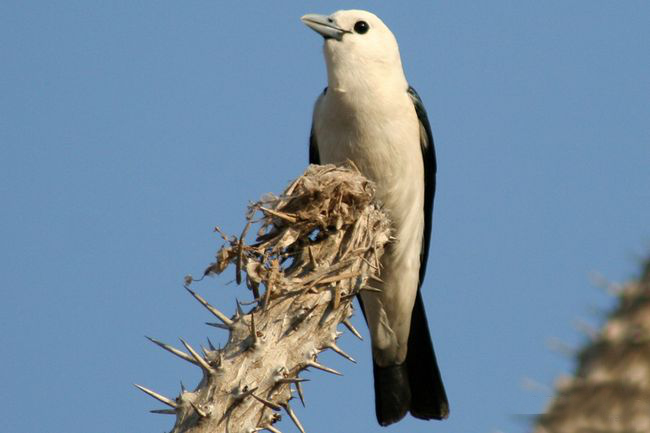
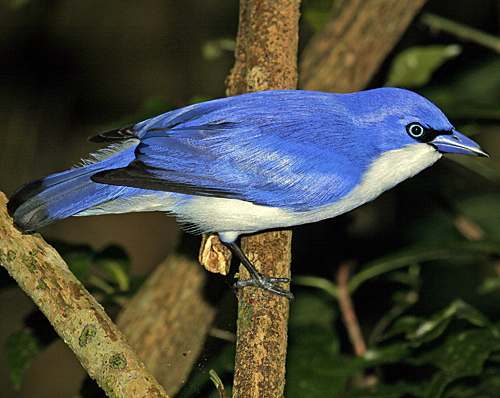
These species are often confused with the Rufous Vanga due to similar appearance or overlapping range.
