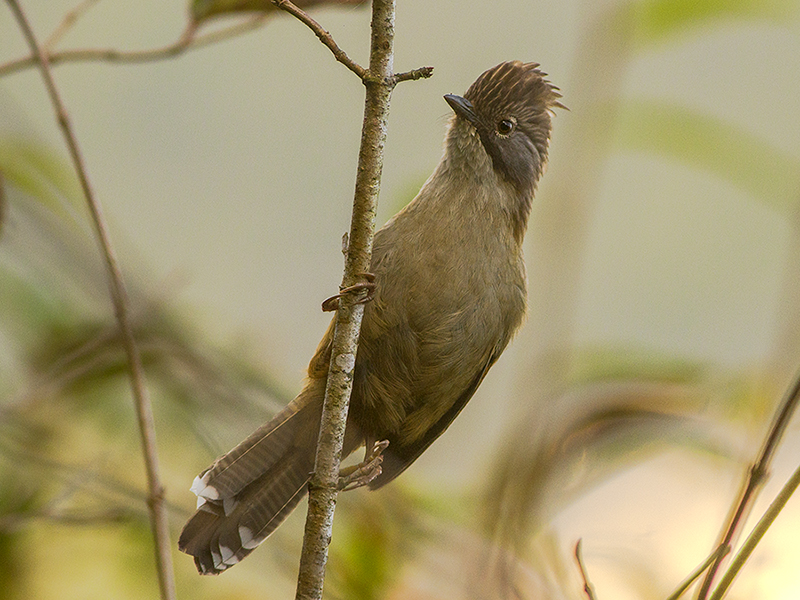
Rusty-fronted Barwing
Actinodura egertoni
Order: Passeriformes / Family: Leiothrichidae
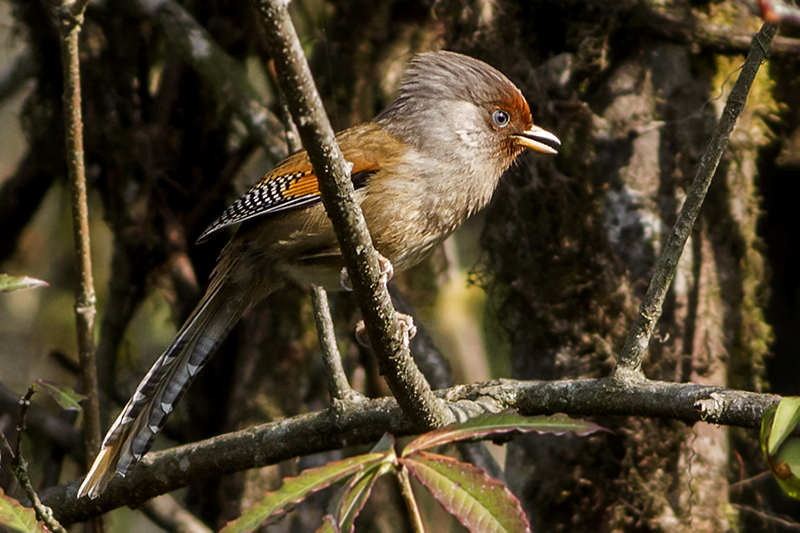
Wikimedia Commons
About the Rusty-fronted Barwing
The Rusty-fronted Barwing (Actinodura egertoni) is a medium-sized songbird belonging to the Leiothrichidae family, showcasing a unique blend of colors and captivating behaviors. This species thrives in the montane forests of Southeast Asia, particularly in countries such as Vietnam, Laos, and Thailand. These birds are often found in altitudinal ranges between 1,000 and 2,500 meters, where the dense undergrowth provides ample foraging opportunities and shelter from predators. The ecological role of the Rusty-fronted Barwing includes seed dispersal and insect population control, underscoring its importance in maintaining the balance of its habitat.
Rusty-fronted Barwings are particularly significant in their regions due to their role in indicating the health of forest ecosystems. Their presence often signals a well-preserved environment, as they tend to avoid areas heavily altered by human activity. These birds adapt well to mixed bamboo and broadleaf forests, demonstrating a preference for areas with abundant foliage that supports their insectivorous diet.
Seasonal behaviors of the Rusty-fronted Barwing include altitudinal migration, where they may descend to lower elevations during harsh weather conditions in search of food. Although not extensively migratory, these movements are crucial for their survival during periods when food becomes scarce in their usual habitats. The Rusty-fronted Barwing's adaptability to seasonal changes exemplifies its resilience and the critical role it plays in its ecosystem.
The Rusty-fronted Barwing belongs to the family Leiothrichidae, within the order Passeriformes. These birds typically live average 5-7 years, with a maximum recorded of 10 years..
How to Identify a Rusty-fronted Barwing
The Rusty-fronted Barwing is easily identified by its distinctive rusty-orange forehead, which contrasts with a grayish-brown body. Adult plumage is characterized by a pale underbelly and darker gray wings, which display a gentle barring pattern. The bird's head features a bold white supercilium, enhancing its striking appearance. Juveniles resemble adults but tend to have duller coloring and less defined markings.
Male and female Rusty-fronted Barwings appear similar, making visual differentiation challenging without behavioral context. Both sexes exhibit the same color patterns, but during breeding season, males may be slightly more vibrant. The bird's flight silhouette is marked by short, rounded wings and a long, graduated tail, which aids in maneuvering through dense foliage.
Potential confusion with similar species like the Streak-throated Barwing can occur, but the Rusty-fronted Barwing's distinctive rusty forehead and less pronounced streaking set it apart. In perching posture, the Rusty-fronted Barwing often holds its body horizontally, a stance that aids in its foraging activities.
Having trouble telling birds apart? Upload a photo to our bird identification tool for an instant species match.
Rusty-fronted Barwing Habitat and Range
Preferred Habitat
The Rusty-fronted Barwing primarily inhabits montane forests, where it favors dense, mixed bamboo and broadleaf environments. These habitats provide essential cover and a rich supply of insects, crucial for their diet. They are typically found at elevations between 1,000 and 2,500 meters, though they may descend during colder months.
Their preference for dense forested areas makes them less common in urban settings, although they may occasionally venture into rural gardens that border suitable habitats. Seasonal habitat shifts are subtle, mainly involving movement to lower elevations in response to harsh weather or food scarcity. While they thrive in mountain forests, their adaptability allows them to persist in various forest types within their range.
Geographic Range
The Rusty-fronted Barwing's range spans several countries in Southeast Asia, including Vietnam, Laos, Thailand, and parts of southern China. These regions provide the montane forests that are crucial for their survival. During the breeding season, they predominantly occupy higher altitudes within these countries.
They exhibit limited migratory behavior, with some populations moving altitudinally rather than over long distances. Despite their relatively restricted range, population density hotspots can be found in well-preserved forest areas, particularly within national parks and protected reserves. Their distribution highlights the importance of conservation efforts in these regions to ensure the species' continued viability.
Want to know which birds visit your area? Browse our backyard birds by location guides for region-specific species lists.
What Does the Rusty-fronted Barwing Eat?
The Rusty-fronted Barwing's diet primarily consists of insects, supplemented by fruits and seeds, which they forage for in the dense undergrowth of forests. Their feeding behavior involves gleaning insects from foliage and bark, demonstrating agility and precision. Seasonal diet changes are minimal, although they may consume more fruits and seeds during periods when insects are less abundant.
Foraging typically occurs during daylight hours, with peak activity in the early morning and late afternoon. The size of prey ranges from small caterpillars to beetles, allowing flexibility in their dietary choices. This varied diet plays a crucial role in controlling insect populations and promoting seed dispersal within their habitat.
Rusty-fronted Barwing Behavior and Social Structure
Rusty-fronted Barwings exhibit a social structure that includes small family groups or loose flocks, which can number up to a dozen individuals. They are generally non-territorial, although during the breeding season, pairs may defend specific nesting sites. Courtship displays involve mutual preening and vocalizations, strengthening the bond between mates.
These birds frequently move through the forest in mixed-species flocks, a behavior that increases foraging efficiency and reduces the risk of predation. In response to predators, Rusty-fronted Barwings often rely on alarm calls and rapid, agile flight to evade capture. Their daily activity pattern involves active foraging interspersed with periods of rest and social interaction, typically occurring at dawn and late afternoon when insect activity peaks.
Rusty-fronted Barwing Nesting and Reproduction
Rusty-fronted Barwings construct cup-shaped nests using twigs, moss, and leaves, strategically placing them in dense shrubbery or low tree branches. These nests provide concealment from predators and protection from the elements. They prefer locations that offer a balance between accessibility and safety.
A typical clutch consists of 2-4 eggs, with both parents sharing incubation duties over a period of approximately 14-16 days. After hatching, nestlings remain in the nest for about 13-15 days before fledging. The parental roles are well-defined, with both male and female contributing to feeding and protecting the young. Typically, Rusty-fronted Barwings raise one brood per year, although favorable conditions may allow for a second.
Rusty-fronted Barwing Sounds and Vocalizations
The Rusty-fronted Barwing's primary song is a series of melodious phrases with a rhythmic, flute-like quality, often described as warbling. This song serves both as a territorial marker and a mate attraction call. In addition to their song, they produce a variety of call notes, including sharp, high-pitched chips used for communication within flocks.
Alarm calls are harsher and more abrupt, designed to alert others to potential threats. During the dawn chorus, their song is most prominent, contributing to the vibrant soundscape of their montane forest habitat. Compared to other forest birds, their calls are relatively soft, blending into the background yet remaining distinct to the trained ear.
Interesting Facts About the Rusty-fronted Barwing
- 1The Rusty-fronted Barwing is part of the Leiothrichidae family, known for their social and vocal behaviors.
- 2These birds are often seen in mixed-species flocks, enhancing their foraging success and reducing predation risk.
- 3Rusty-fronted Barwings can adapt to various forest types, although they prefer montane regions with dense undergrowth.
- 4Their distinctive rusty-colored forehead makes them relatively easy to identify among similarly sized forest birds.
- 5Despite being non-migratory, they exhibit altitudinal movements in response to seasonal food availability.
- 6The species plays a crucial role in insect population control, highlighting its importance in forest ecosystems.
- 7They build their nests with a variety of materials, including twigs and moss, to ensure structural integrity and camouflage.
Rusty-fronted Barwing Conservation Status
According to the IUCN, the Rusty-fronted Barwing holds a status of Least Concern, yet it faces pressures from habitat degradation and deforestation. Population trends appear stable; however, continued habitat loss poses a significant threat. Conservation efforts focus on protecting forest habitats and maintaining ecological integrity. Historically, population changes have been minimal, but localized declines may occur where habitat alteration is most pronounced. Efforts to establish protected areas and promote sustainable forestry practices are crucial to ensuring the species' long-term survival. Community engagement and education also play vital roles in conservation strategies.