
Sardinian Warbler
Sylvia melanocephala
Order: Passeriformes / Family: Sylviidae

Wikimedia Commons
About the Sardinian Warbler
The Sardinian Warbler (Sylvia melanocephala) is a small passerine bird that belongs to the Sylviidae family. Known for its distinctive black cap and contrasting white throat, this species is a frequent resident of Mediterranean regions, where it thrives in scrublands, maquis, and other bushy habitats. The bird is significant for its adaptability to various environments, including human-altered landscapes such as gardens and orchards. Its presence is an indicator of ecological health in these regions. The Sardinian Warbler plays an essential role in controlling insect populations, serving as a natural pest deterrent. Its diet primarily consists of insects and other small invertebrates, making it a crucial player in the food web. During the breeding season, typically from April to July, the Sardinian Warbler becomes highly territorial. Males can be heard delivering a fast, scratchy song from conspicuous perches, a behavior that marks their territory and attracts mates. Outside of the breeding season, these birds may form loose flocks, particularly when migrating or during the non-breeding periods. They are partial migrants, with some populations moving short distances depending on food availability and climatic conditions. In winter, they may shift from higher altitudes to lowland areas, exploiting different habitats. The Sardinian Warbler's adaptability to varied environments underscores its success as a species across Southern Europe and North Africa. This adaptability, combined with its ecological roles, underscores its importance in maintaining the balance of Mediterranean ecosystems.
The Sardinian Warbler belongs to the family Sylviidae, within the order Passeriformes. These birds typically live 4-5 years on average, with a maximum recorded of 7 years..
How to Identify a Sardinian Warbler
Adult Sardinian Warblers exhibit sexual dimorphism, with males easily identified by their deep black cap and dark grey back. Their red eye ring and white throat provide stark contrast, making them visually striking. Females, by contrast, have a more subdued appearance, with a greyish-brown cap and paler grey upperparts. Both sexes have a white belly and black tail with white outer feathers. Juvenile Sardinian Warblers resemble females, but with a brownish tinge and less distinct markings, making them somewhat trickier to identify. In flight, the Sardinian Warbler's rounded wings and long tail are distinctive. Its flight is typically rapid and low over the vegetation. When perched, the bird often flicks its tail, a behavioral trait that can aid in field identification. Some might confuse this warbler with the similar Dartford Warbler, but the latter lacks the distinct black cap and has a more extensive reddish underside. The Sardinian Warbler's preference for dense shrubs and frequent low flight pattern further aid in distinguishing it from similar species in its range.
Having trouble telling birds apart? Upload a photo to our bird identification tool for an instant species match.
Sardinian Warbler Habitat and Range
Preferred Habitat
The Sardinian Warbler predominantly inhabits Mediterranean scrub, known as maquis, but it is also found in garigue and other bushy areas. It thrives at elevations ranging from sea level to about 1500 meters, often occupying coastal brush and inland hillsides. These birds have adapted to both rural and urban settings, occasionally venturing into gardens and orchards. Seasonal habitat shifts occur, with some populations moving from higher elevations to coastal plains or more sheltered valleys during colder months. The species is less common in dense forests but tolerates a mosaic of open and wooded areas provided there is sufficient undergrowth.
Geographic Range
The breeding range of the Sardinian Warbler extends across Southern Europe, including the Iberian Peninsula, southern France, Italy, and the Balkan region. It is also found throughout the Mediterranean islands such as Sardinia and Corsica. The bird's range extends into North Africa, covering Morocco, Algeria, and Tunisia. While some populations are resident year-round, others undertake short-distance migrations. Birds from northern parts of their range may move southward or to lower altitudes during winter. Population densities are highest in the Mediterranean basin, where conditions are ideal for their preferred habitats.
Want to know which birds visit your area? Browse our backyard birds by location guides for region-specific species lists.
What Does the Sardinian Warbler Eat?
The Sardinian Warbler's diet is primarily insectivorous, focusing on a wide variety of insects and other invertebrates. Spiders, caterpillars, and beetles form the bulk of its diet during the breeding season, providing essential protein for raising young. During autumn and winter, the bird's diet becomes more varied, incorporating small fruits and berries, such as those from the myrtle and olive trees. Foraging techniques include gleaning insects from foliage and bark, as well as hover-gleaning to capture insects in flight. The bird typically forages alone or in pairs, showing a preference for early morning and late afternoon feeding.
Sardinian Warbler Behavior and Social Structure
Sardinian Warblers are primarily solitary or found in pairs, especially during the breeding season. Males become highly territorial, using both song and visual displays to defend their territory. Courtship displays involve males singing from prominent perches and performing fluttering flights to attract females. Despite their territorial nature, these warblers exhibit some degree of social behavior outside the breeding season, forming loose flocks during migration and in winter. When faced with predators, Sardinian Warblers employ alarm calls to alert others, and they often dive into dense cover to evade danger. Their daily activity peaks in the early morning and late afternoon, likely an adaptation to avoid the midday heat typical of their habitat.
Sardinian Warbler Nesting and Reproduction
Sardinian Warblers construct cup-shaped nests made from grass, twigs, and spider webs, typically located in dense bushes or shrubs. The preferred nesting height ranges from 0.5 to 2 meters above the ground. The female lays a clutch of 3 to 5 eggs, which she incubates for about 12 to 13 days. Both parents participate in feeding the nestlings, which fledge approximately 10 to 12 days after hatching. The species often raises two broods per year, particularly in southern parts of its range where conditions are favorable. Parental roles are shared, although the female primarily undertakes incubation duties.
Sardinian Warbler Sounds and Vocalizations
The Sardinian Warbler's primary song is a fast, scratchy warble, often delivered from a prominent perch. This song is characterized by a quick tempo and a series of trills and whistles. The call notes are harsh and metallic, used primarily for communication between mates or as an alert to potential threats. During the breeding season, the male's song becomes more frequent and vigorous, often performed during a dawn chorus to establish territory and attract a mate. Compared to other warblers, the Sardinian Warbler's song is less melodious but distinct in its rapid delivery and rhythm.
Interesting Facts About the Sardinian Warbler
- 1Sardinian Warblers can be found as high as 1,500 meters above sea level, showcasing their adaptability.
- 2These warblers often use spider webs to reinforce their nests, providing extra strength and elasticity.
- 3A Sardinian Warbler's song can be heard from up to 100 meters away, which helps in establishing territory.
- 4Despite their small size, Sardinian Warblers can consume a significant number of insects daily, aiding in pest control.
- 5The species' name derives from the island of Sardinia, where it is a common sight in suitable habitats.
- 6During migration, Sardinian Warblers can travel over 1,000 kilometers to reach their wintering grounds.
- 7The red eye ring of the Sardinian Warbler is a distinctive feature, setting it apart from many other warblers.
Sardinian Warbler Conservation Status
The IUCN currently lists the Sardinian Warbler as a species of Least Concern, with stable populations across its range. The bird benefits from its adaptability to human-altered landscapes, allowing it to thrive in a variety of settings. Primary threats include habitat loss due to urbanization and agriculture, although these have not significantly impacted overall numbers. Conservation efforts focus on maintaining suitable habitats and monitoring populations to ensure they remain stable. Historical data suggest the species has maintained a healthy population size, thanks in part to its wide distribution and ecological flexibility.
Other Sylviidae Species


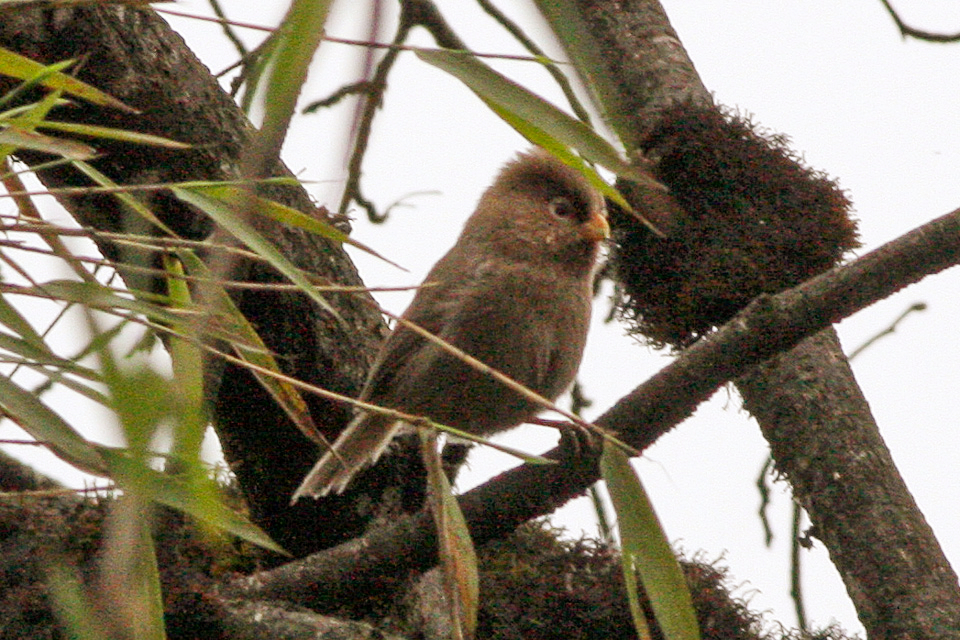

Birds Similar to the Sardinian Warbler
These species are often confused with the Sardinian Warbler due to similar appearance or overlapping range.

